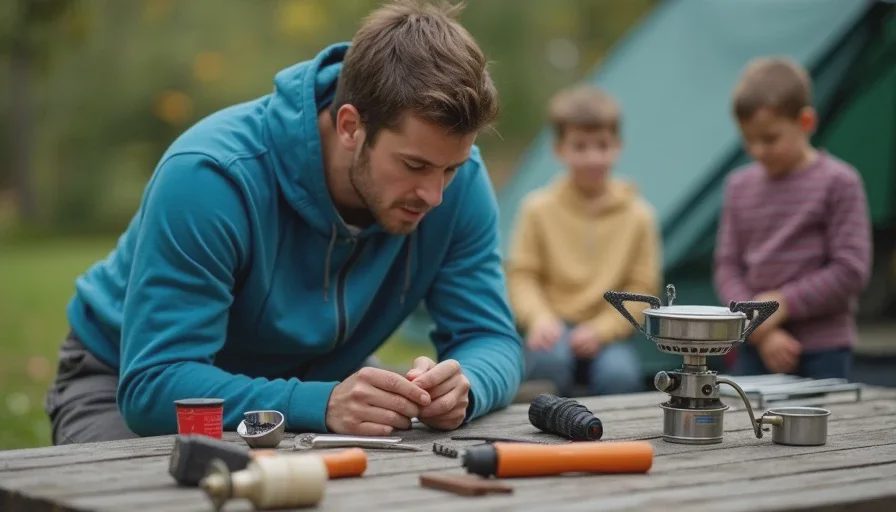
I once spent an hour trying to get a camp stove to work.
It was a fancy one. Multi-fuel. Lightweight. Titanium. The kind of stove that backpacking magazines drool over. It had a preheating tube, a pump, a fuel bottle, and a maintenance kit that came in its own little pouch.
I'd used it before. It had worked. Sort of. But that night, at 8,000 feet, with a cold wind blowing and a hungry family waiting, it wouldn't light. The pump was sticky. The jet was clogged. The preheat tube was doing something I didn't understand.
I fiddled with it. I took it apart. I cleaned the jet with the little wire thingy. I pumped it again. I tried to light it. Nothing. I did it again. More nothing.
My daughter asked, "Are we going to eat?"
I wanted to throw the stove into the creek.
The Babysitting Problem
That stove wasn't broken. It was just complicated. It required attention. It required maintenance. It required me to be a mechanic instead of a camper. It was a system that needed babysitting.
And babysitting is the enemy of a good camp experience. When you're babysitting your gear, you're not relaxing. You're not enjoying the campfire. You're not talking to your family. You're not watching the stars. You're just... managing stuff.
I've spent way too many nights managing stuff. Fiddling with a stove that won't light. Adjusting a tent that's flapping in the wind. Fighting with a lantern that's sputtering. Trying to get a pump to work. Untangling a mess of cords and gadgets.
And every time, I've thought the same thing: This is supposed to be fun. Why am I working so hard?
What "Babysitting" Looks Like
Babysitting your camp system means you're doing more work than the gear is saving you.
Here's what it looks like:
The stove that won't light. You pump it. You prime it. You adjust the valve. You check the jets. You clean the jets. You pump it again. You curse. You finally get it going, but by then you're too frustrated to enjoy the meal.
The tent that's complicated. Too many poles. Too many clips. Too many adjustments. You spend forty minutes setting it up and another forty taking it down. By the time you're done, you're exhausted and you haven't even made coffee.
The lantern that flickers. It was supposed to be the centerpiece of the camp. Instead, it's a maintenance project. You clean the mantle. You adjust the pressure. You replace the fuel. You do it again. It doesn't stay lit.
The sleeping system that's high-maintenance. The inflatable pad that deflates by morning. The pump that takes forever to inflate it. The valve that's never quite closed. The sleeping bag that's the wrong temperature for the season, so you're either too hot or too cold.
The complicated coffee setup. The grinder. The pour-over. The gooseneck kettle. The thermometer. The timer. All of it creates a "perfect" cup of coffee—if you can get it to work. Meanwhile, everyone else is already sitting by the fire. You're still fussing with water temperature.
The multi-gadget camp kitchen. The foldable sink that leaks. The cutting board that doesn't fit. The stove that needs a separate windscreen. The pots that don't nest. The strainer that's too small. You spend more time managing the kitchen than you do eating.
The Philosophy
The best camp systems are simple. They work without thinking. They don't require adjustment. They don't require maintenance. They don't require you to be a gear expert. They just... work.
Here's my philosophy:
Simple > complicated. A simpler system is easier to set up, easier to use, and easier to fix. Complexity is the enemy of reliability. The more parts something has, the more ways it can fail.
Durable > lightweight. I'd rather carry a slightly heavier stove that works every time than a superlight stove that requires constant maintenance. Weight is a tradeoff. Reliability is a requirement.
Familiar > new. I'd rather use the same tent for ten years than buy a new one every season. I know how it works. I know how to set it up. I trust it.
Proven > promising. I'd rather use gear that's been tested on a hundred trips than gear that's advertised as revolutionary. The revolution usually comes with bugs.
The Camp Systems That Don't Need Babysitting
Here's what I've settled on after years of trial and error.
The Stove
I carry a simple two-burner propane stove. It's not fancy. It doesn't have a preheating tube or a pump or a maintenance kit. You screw in a propane canister, turn a knob, and light it. That's it.
Why it works:
No pumping. No priming. No cleaning.
It lights in thirty seconds. Every time.
It works in wind, altitude, and cold.
If it breaks, you can buy a new one at any hardware store for $40.
You can cook on it without thinking about the stove. You're just... cooking.
What I used to carry:
A multi-fuel liquid stove that required a degree in mechanical engineering to operate.
I spent more time maintaining it than using it.
What I learned: The fuel you're burning doesn't matter as much as the time you're spending. Propane is heavier but easier. Simpler is better. Less time managing the stove = more time enjoying dinner.
The Tent
I carry a simple dome tent. It has two poles that cross each other. It has four stakes. It goes up in five minutes and comes down in five minutes. It doesn't require a diagram or an engineering degree.
Why it works:
You can set it up in the dark. You can set it up in the rain. You can set it up when you're tired.
It's durable. The poles are sturdy. The fabric is thick. It doesn't require special care.
It's familiar. I've used it for years. I trust it.
What I used to carry:
A tent with multiple poles, color-coded clips, and a complicated hub system.
It took twenty minutes to set up, thirty minutes to take down, and I had to take classes to figure it out.
It was a chore, not a shelter.
What I learned: A tent doesn't need to be complicated. It needs to keep the weather off you and give you a place to sleep. That's it. The simpler the design, the more time you have for the actual camping.
The Lantern
I carry a rechargeable LED lantern. It has one switch. On. Off. That's it. It charges from a USB port. I don't have to carry fuel, mantles, or a cleaning kit. It's basically zero maintenance.
Why it works:
It's always ready to go. It charges in a few hours and lasts all weekend.
No mantles to replace, no fuel to spill, no tubes to clean.
It's safe. There's no fire, no fuel, no soot.
It's bright enough for camp tasks and adjustable if you need less light.
What I used to carry:
A fuel-burning lantern that required white gas, mantles, and an oil change.
I spent more time cleaning the lantern than using it. It was a source of frustration.
What I learned: The campfire is for ambiance. The lantern is for seeing. It doesn't need to be romantic. It just needs to work.
The Sleep System
I carry a foam sleeping pad. It's not inflatable. It just... is. It's a thick foam rectangle. You unroll it, put your sleeping bag on it, and lie down.
Why it works:
No pumping. No leaking. No valve failures.
You can unroll it in the dark, in the rain, when you're exhausted. It just works.
It's durable. It doesn't puncture. It doesn't deflate.
It's warm. The foam insulates. You don't wake up cold.
What I used to carry:
An inflatable pad that required a pump or a lot of breath to inflate.
It was comfortable when it worked, but it frequently didn't. It leaked. It deflated in the middle of the night. It was a constant worry.
What I learned: Sleeping comfort matters, but reliability matters more. A quiet, reliable night on foam is better than a comfortable night on a pad you have to re-inflate at 3 AM.
The Coffee Setup
I carry a simple pour-over cone. You put a paper filter in it, add coffee, and pour hot water over it. It takes a couple minutes. It makes good coffee. It doesn't need calibration.
Why it works:
It's simple. It has one part. There's nothing to break.
The cleanup is easy. Throw away the filter. The cone rinses off.
It makes good coffee. Consistent. Reliable.
What I used to carry:
A French press that required careful plunging, made a mess, and needed cleaning.
A stove-top espresso maker that required disassembly, cleaning, and babysitting.
A fancy pour-over setup with a gooseneck kettle and a scale.
What I learned: Coffee in the woods should be good, not perfect. The view matters more than the water temperature. A simple cup of coffee made with a simple method is enough.
The Camp Kitchen
I carry a simple system. One pot, one pan, one spatula, one spoon, one knife, a cutting board, and a few bowls. Everything nests together. Everything fits in one bag.
Why it works:
It's easy to pack. Easy to find. Easy to clean.
Everything has a place. Nothing gets lost.
You can cook most meals with this setup. Stews, eggs, pasta, soup, stir-fry, noodles. It's versatile.
What I used to carry:
A complicated kitchen system with multiple pots, a strainer, a grater, a whisk, a ladle, and specialty tools.
I spent more time finding stuff than cooking stuff. It was a mess.
What I learned: You don't need a full kitchen. You need a few tools you know how to use. Focus on the meal, not the equipment.
The Test
If you want to know whether your camp system needs babysitting, ask yourself these questions:
Can I set it up in the dark? If you can't, it's too complicated.
Can I set it up in the rain? If you can't, it's too finicky.
Can I set it up when I'm tired? If you can't, it's too much work.
Does it work without adjustment? If you're always fiddling with it, it's not reliable enough.
Can I fix it with a simple tool? If you need specialized tools, you're going to be frustrated.
Is it comfortable without being fussy? If it requires perfect conditions, you've got a problem.
If you answer no to any of these, it's time to simplify.
What Babysitting Costs You
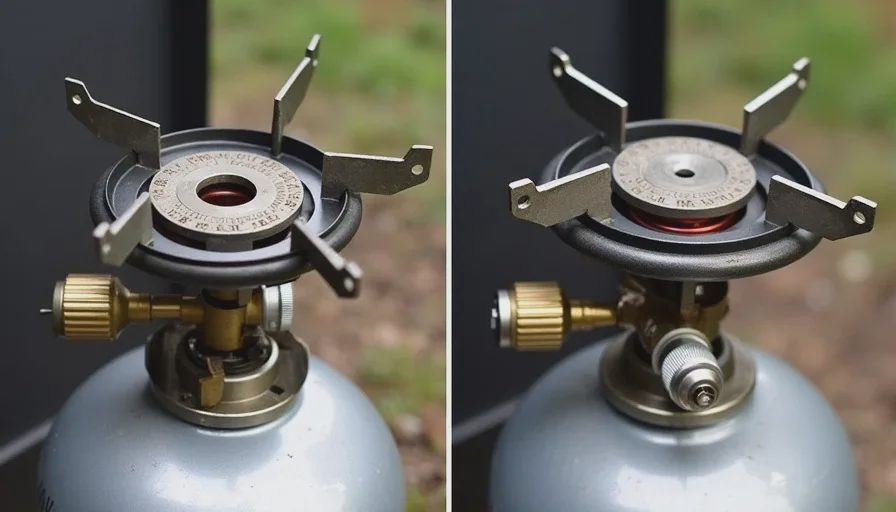
When you're babysitting your gear, you're losing something valuable. Not just time. Not just money. The experience. The reason you came to the outdoors.
Babysitting costs you:
Time. The minutes you spend fiddling with a stove are minutes you're not looking at a sunset. The time you spend adjusting a tent is time you're not talking to your family. The time you spend cleaning a lantern is time you're not sitting by the fire.
Patience. Frustration is a terrible campsite companion. It clouds your mood, casts a shadow on the trip, and makes you less fun to be around. Every minute you're frustrated is a minute you're not present.
Enjoyment. When you're worrying about your gear, you're not enjoying the wild. The outdoors isn't about the gear. It's about the experience.
Presence. The point of camping is to be present. To be in the place. To notice the details. To be with the people you're with. When you're managing gear, you're not being present.
Memory. Years from now, you won't remember the stove that took an hour to light. You'll remember the meal. You'll remember the company. You'll remember the view. The gear should fade into the background. If it doesn't, it's failing you.
The Story of the Simple Setup
Last summer, I took my daughter camping for a weekend. It was a short trip. Two nights. Close to home. No expectations.
I packed the simple system. The stove that lights every time. The tent that sets up in five minutes. The lantern with one switch. The foam pad that never deflates. The pour-over cone that makes a cup of coffee.
We were set up in fifteen minutes. We cooked dinner in twenty. We sat by the fire and talked until the stars came out. She asked me about the constellations. I told her about the ones I knew. She taught me about the ones she'd learned in school.
The gear didn't matter. It was just there. We didn't think about it. We didn't worry about it. It just... worked. I spent the weekend camping, not managing. It was the most relaxing trip I'd had in years.
No comments yet — be the first to share a thought.