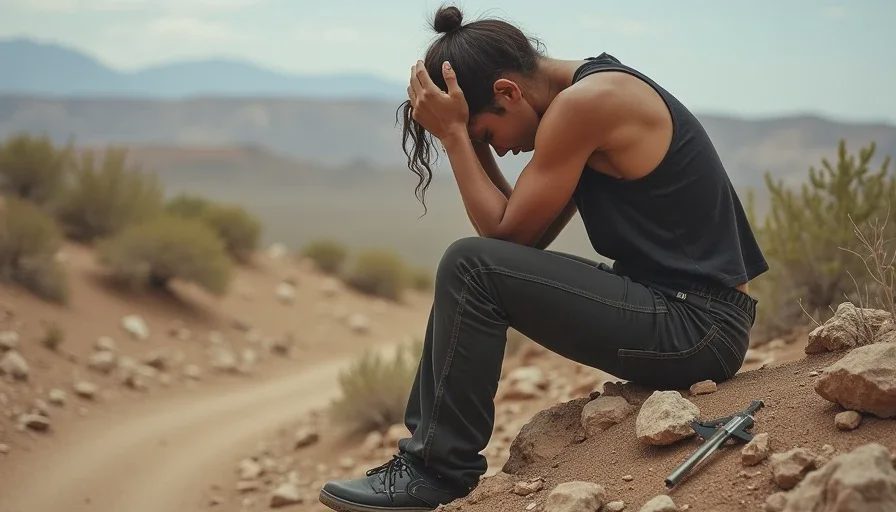
I spent three days on the side of a trail in Utah. Three days. Waiting for a part. Waiting for a tow. Waiting for my own stupidity to catch up with me.
It wasn't the part that failed. The part was fine. It was a simple control arm bracket. Nothing fancy. Nothing exotic. It had been on the truck for years. It had done thousands of miles. It had never given me a problem.
Then it failed. Just... failed. The metal fatigued. The bracket tore. The control arm dropped. I was stuck.
I blamed the part at first. "Cheap metal," I said. "Bad design." I was angry at the manufacturer. I was angry at the part. I was angry at the universe for putting me in that situation.
Then I thought about it. Really thought about it.
The part was fine. The part had been fine for years. The part didn't fail because it was weak. It failed because I'd assumed something that wasn't true. I'd assumed it would keep working. I'd assumed it didn't need inspection. I'd assumed I didn't need to worry about it.
The weak point wasn't the part. It was the assumption behind it.
The Assumptions We Carry
We carry assumptions on every trip. They're the invisible weight in the back of our minds. They're the things we don't question. The things we take for granted. The things we assume are true.
Here are some of the assumptions I've made—and been proven wrong about.
"It'll hold."
I assumed the part would hold. I assumed it was strong enough. I assumed it didn't need checking. I was wrong. The part held for years. Then it didn't.
"I know this trail."
I assumed I knew the trail. I'd done it before. I remembered it. I could do it again. I was wrong. The trail had changed. I'd forgotten the hard parts. I'd idealized the memory.
"It worked last time."
I assumed the gear would work. It worked last time. It'll work again. I was wrong. Gear wears out. Gear breaks. Gear needs maintenance. "Last time" is not a guarantee.
"I'll be fine."
I assumed I'd be fine. I was a good driver. I had good gear. I knew what I was doing. I was wrong. Being a good driver doesn't make you invincible. Good gear doesn't guarantee success.
"I'll deal with it later."
I assumed I could deal with it later. The noise. The leak. The warning light. I'd fix it when I got back. I was wrong. "Later" on the trail is a different thing. On the trail, later is a decision you make under stress, with limited time, limited tools, and limited options.
The Story of the Assumption
Let me tell you the story of that control arm bracket.
I'd installed it years ago. It was a good part. Well-made. Strong. I'd done the install carefully. Torqued the bolts. Cleaned the surfaces. Done it right.
But I never checked it again. I never inspected it. I assumed it was fine. I assumed it would stay fine. I assumed it was strong enough to handle anything I threw at it.
I was wrong.
The bracket didn't fail because it was weak. It failed because I assumed it didn't need checking. I assumed it was maintenance-free. I assumed it would keep working. I assumed it would tell me if it was about to fail.
It didn't tell me. It just failed. Quietly. Without warning. And I was stuck, three days from help, wondering why I'd made such a stupid assumption.
The Pattern
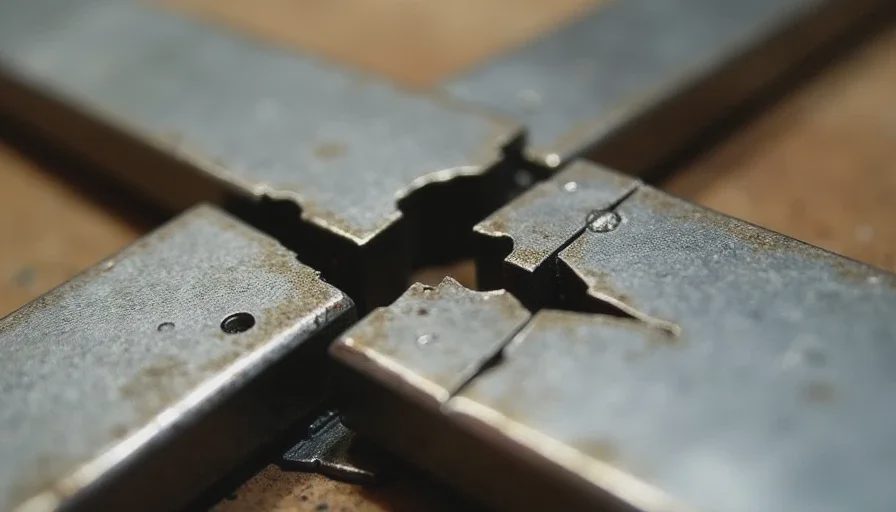
I've seen this pattern again and again. A part fails. A plan falls apart. A trip goes wrong. And when I look at the root cause, it's almost never the part. It's almost always the assumption.
The assumption that the part was strong enough. Stronger than it actually was. Strong enough for the terrain you threw it into. Strong enough for the number of miles. It wasn't.
The assumption that the trail was the same as last time. It never is. The trail changes. The conditions change. It's never the same.
The assumption that the gear would work. It might not. It might be broken. It might be worn. It might be the wrong tool.
The assumption that you'd be able to handle it. You might not. You might be tired. You might be stressed. You might be in over your head.
The assumption that you'd have time. You might not. The weather might change. The light might fade. The margin might disappear.
The Root Cause
The root cause of most trail failures isn't the part. It's the assumption.
The part failed because you assumed it didn't need inspection. It did. All parts need inspection. All parts wear out. If you're not checking, you're assuming.
The plan failed because you assumed it would work. It didn't. Plans need flexibility. You can't plan for everything. But you can plan to be flexible.
The trip went wrong because you assumed you'd be fine. You weren't. You need to be honest about your limits. Not what you wish they were. What they actually are.
You assumed the trail would be safe. It wasn't. The trail is never truly safe. It's just manageable. You need to manage it.
The Honest Shift
The shift I had to make—and the one I recommend to you—is from assumption to inquiry. From "I know" to "let me check." From "it'll be fine" to "what if it's not?"
It's not about being paranoid. It's about being honest. It's about not letting your assumptions take the wheel.
From "It'll hold" to "Let me check it."
Don't assume the part is fine. Check it. Inspect it. Test it. The few minutes it takes to check could save you hours on the trail.
From "I know this trail" to "Let me re-learn it."
Don't assume you know the trail. Re-study it. Re-check the map. Re-consider the conditions. It changes. You change. Your memory fades. The trail is never exactly the way you remember it. Be humble about that.
From "It worked last time" to "Is it working now?"
Don't assume the gear works. Test it. Use it. Make sure it's still functioning. Last time is not a guarantee. Gear can break in storage. Gear can wear out quietly.
From "I'll be fine" to "What if I'm not?"
Don't assume you'll be fine. Plan for the "what ifs." Bring backup. Have an exit strategy. Know your limits. Not to be scared. To be prepared.
From "I'll deal with it later" to "Deal with it now."
Don't assume you can deal with it later. Deal with it now. The noise, the leak, the warning light. Fix it before the trail. Or fix it at the trail. But don't assume later will be easier. It won't be.
The Tools to Challenge Assumptions
Here's what I use to challenge my own assumptions. It's not a formula. It's a set of questions I ask myself.
What am I assuming here? What am I taking for granted? What am I not checking? What am I hoping will be true? Be specific.
Is that assumption true? Or am I just hoping it's true? Have I verified it? Have I checked it? Or am I just trusting it?
What could go wrong if my assumption is wrong? What's the worst-case scenario? What's the likely scenario? What's the cost of being wrong? Is the risk worth the assumption?
How can I test it? What's a way to check? How can I verify it's true? How can I reduce the risk of being wrong?
What's my backup plan? If the assumption is wrong, what's my plan? How will I deal with it? What tools, skills, or resources do I need to have in place?
A Story
A few years ago, I was on a trip with a group. We were planning a remote traverse. I'd done it before. I knew the route. I was the one who suggested it.
But I made an assumption. I assumed we had enough fuel. I'd done the math. It seemed right. I didn't double-check.
Halfway through the traverse, we were low on fuel. Too low. I'd made a mistake. I'd assumed we'd use less than we did. I was wrong.
We had to adjust the route. We had to take a shortcut. We made it out, but it was tight. Too tight. I'd assumed we'd be fine. We weren't. We were lucky.
The lesson wasn't about fuel planning. It was about assumption. I'd assumed my plan was right. I'd assumed my math was right. I'd assumed I didn't need to double-check. I was wrong.
No comments yet — be the first to share a thought.