A picnic blanket sounds simple until you use one beside a dusty trail, on damp pine needles, or across the tailgate of a truck with hot coffee balanced nearby. The right picnic blanket keeps grit off your food, gives kids a clean place to sit, and turns a roadside stop into a useful camp break. The wrong one becomes a heavy, wet rectangle that smells like a locker room by the second morning.
For trail travel, I care less about cheerful patterns and more about failure points. Does the backing resist moisture? Can it shake clean without a full wash? Will the corners stay flat in wind? Does it pack down without stealing space from recovery gear? Those questions matter whether you drive a Subaru Outback to a forest road picnic or take a built Tacoma several miles beyond pavement.
What makes a good picnic blanket for dirt roads
Start with the bottom. A water-resistant or waterproof backing is the most useful feature because grass and soil can look dry while still soaking fabric. Polyurethane-coated polyester, ripstop nylon, and layered outdoor fabrics generally handle wet ground better than a cotton throw. They also wipe clean after someone spills salsa or tracks in red dust.
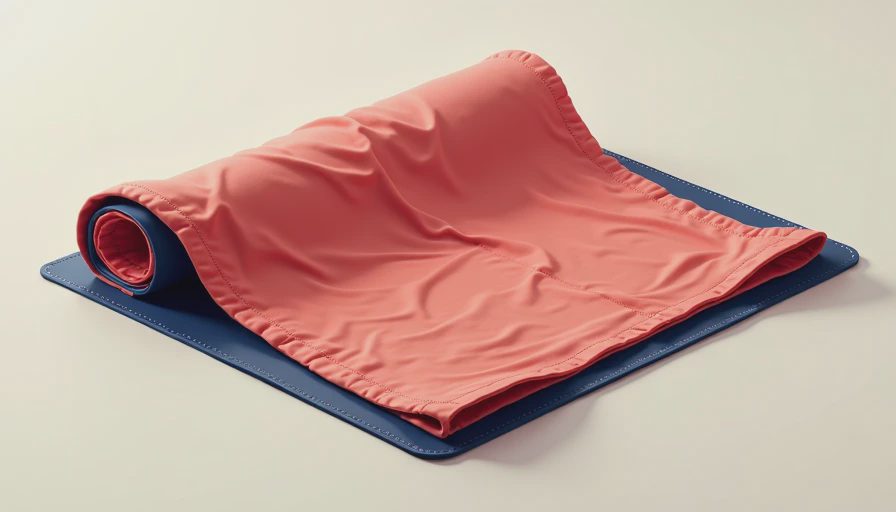
Size is the next tradeoff. A 50-by-60-inch blanket works for two adults sitting close together and fits easily in a daypack or cargo bin. A 60-by-80-inch picnic blanket gives a family more room, but it also catches more wind and takes longer to dry. For four people, I prefer a blanket that folds into a compact square with a sewn-in carry handle rather than one that rolls into a bulky tube.
Look closely at the stitching around handles, straps, and corner tabs. Those are the areas that receive abuse when a blanket is dragged from a vehicle or folded while dirty. A sewn edge with multiple rows of stitching is more reassuring than a decorative strap attached to a thin seam. The trail finds the weak point, and on camp gear that weak point is often an attractive handle.

Materials that earn space in an overland loadout
Cotton feels comfortable, but it absorbs water, holds sand, and takes a long time to dry in cool weather. It makes sense for a backyard afternoon where a washing machine is ten steps away. It is less convincing after a night at high elevation when frost, mud, and a tight departure schedule are involved.
Fleece-backed blankets feel warmer and softer, which is useful during fall football games or evening meals. The drawback is bulk. A thick fleece picnic blanket can occupy the same cargo space as a compact sleeping bag, and that is not a fair trade for most vehicle-based trips. Thin synthetic insulation offers warmth without quite as much volume, although it costs more and needs careful cleaning.
A coated nylon surface is practical but can feel slippery on a slope. If you are stopping beside a rocky road, texture matters. A brushed top or woven polyester surface gives better grip for plates, shoes, and small children. I also like muted colors for trail use because they show less dust between cleanings, though visibility should win if you routinely leave gear near an active campsite or parking area.
Features worth paying for, and features I skip
A picnic blanket with corner stakes or built-in anchor loops can be useful in exposed country. Four small stakes keep the edges from snapping into the soup during a windy lunch. Do not treat those loops as recovery points; they are for holding fabric down, not pulling a vehicle or securing a loaded roof box.
A waterproof storage pocket is convenient for keys and a phone, but it should not be the reason you buy the blanket. Small pockets often collect grit and become difficult to clean. A simple zippered pouch is better than several mesh compartments that snag on branches.
Brands such as Rumpl, Matador, Kelty, and Nemo make outdoor blankets with different priorities. Rumpl tends to emphasize insulated, packable materials. Matador is known for very compact travel designs. Kelty often offers practical family-sized camp equipment, while Nemo commonly focuses on refined outdoor construction. None of those names removes the need to inspect dimensions, backing, and packed size for your specific vehicle.
I would spend extra for welded or well-sealed backing, reinforced corners, and a reliable folding system. I would not spend extra for a bottle opener sewn into the strap, a decorative leather label, or a pattern marketed as expedition grade. Looks ready and is ready are different things.
How to use one without making a mess
Before spreading a picnic blanket, clear the area with your boot and look for cactus spines, broken glass, sharp gravel, and damp patches. A blanket protects against ordinary dirt; it is not a ground tarp for every hazard. In the desert, check underneath after packing because small thorny pieces can hide in the weave and later find your hands.
Fold the dirty side inward when leaving. That keeps mud and crumbs away from the clean seating surface and prevents your cargo organizer from becoming a food waste bin. At home, shake the blanket outdoors, wipe the backing with mild soap, and hang it fully open. Do not stuff a damp blanket into a sealed storage box. That is how mildew gets a permanent invitation.
For longer trips, carry a small brush and two plastic bags. The brush removes dry grit before folding, while a bag isolates wet fabric from sleeping bags and clothing. If the blanket has a waterproof coating, avoid harsh solvents and high heat unless the care instructions specifically allow them. A damaged coating can turn a useful ground barrier into a decorative sheet.
Choosing by trip type
For quick roadside lunches, choose a lightweight picnic blanket about 50 by 60 inches with a waterproof underside. It should fit behind a seat and deploy in under a minute. For family camping, go closer to 60 by 80 inches, but measure your tent vestibule or cargo area first. Bigger is not automatically better when the ground is uneven.
For tailgates and vehicle camping, a thicker model with insulation can make cold metal and rough gravel more tolerable. For backpacking, weight changes the decision completely. A picnic blanket weighing two pounds can be reasonable in an SUV but irritating after several miles on foot. A compact ground cloth may be the smarter choice if sitting comfort is secondary.
I keep one medium synthetic blanket in the truck and a lighter emergency ground sheet in the recovery bin. The first handles meals, maps, and camp chores. The second protects knees during a tire repair or gives wet gear a temporary place to dry. Separating those jobs keeps the nicer blanket from absorbing every problem the trail creates.
A practical buying check before your next trip
Spread the candidate on a floor and fold it using the exact method you expect to use at camp. Measure the packed bundle. Then press a corner against the floor and see whether the backing slides easily. Check every seam, handle, snap, and anchor loop. If the product page gives only an open size and hides the packed dimensions, treat that omission as useful information.
Think about your actual passengers. A couple can live with a narrow blanket, while a family with boots, snacks, and a dog needs more washable surface. Think about weather too. A summer park blanket and a high-country camp blanket do not need identical insulation. Spending $35 to $90 on the right design is sensible; spending $150 on features you will never use is just another garage decision with trail consequences.
The best picnic blanket is the one that deploys quickly, stays reasonably dry, folds without an argument, and comes home ready for the next trip. Buy for your route, your cargo space, and your cleanup habits instead of the photograph on the product page. A little honest inspection now beats sitting on wet dirt later, and that is a trade I will take every time.

No comments yet — be the first to share a thought.