A naked running belt is the sort of gear that looks almost too simple to matter. It is a stretch waistband with pockets, no bulky buckle, and just enough room for the essentials. Then you take one on a 15-mile trail run, carry a phone, keys, soft flask, and a few calories, and suddenly the details matter. A bad belt bounces, rides up, traps sweat, or turns your back into a damp strip of irritated skin. A good one disappears until you need it.
I look at running gear the same way I look at recovery equipment: the trail finds the weak point. For a naked running belt, that weak point is usually fit, not fabric. The belt has to grip your body without squeezing your breathing or shifting when the terrain gets ugly. If you are comparing minimalist running belts for road miles, desert paths, or fast hiking, start with what you actually carry rather than how clean the product looks in a photograph.
What a naked running belt is designed to carry
Most belts in this category are built around stretch storage rather than a traditional pouch. The fabric may include one long pocket, several compartments, or openings positioned around the waist. That design spreads weight across your torso instead of hanging it from one point. There is no hard plastic buckle digging into your stomach when you bend forward, and there is less loose material to catch on a pack hip belt.
The practical load is usually a phone, identification, a card, keys, gels, and perhaps a soft flask. Some larger versions will accept a 500-milliliter bottle, but that does not mean they handle a full bottle gracefully. Water is heavy. A bottle adds about a pound when full, and that mass will expose a weak fit quickly. On a short run, you might never notice. On a rocky descent, you will feel every bounce.
A naked running belt is not a replacement for a hydration vest on a remote all-day route. It is a compact solution for runners who want their hands free without wearing a full pack. That distinction saves a lot of disappointment. Looks ready and is ready are different things, whether the equipment is bolted to a 4Runner or wrapped around your waist.
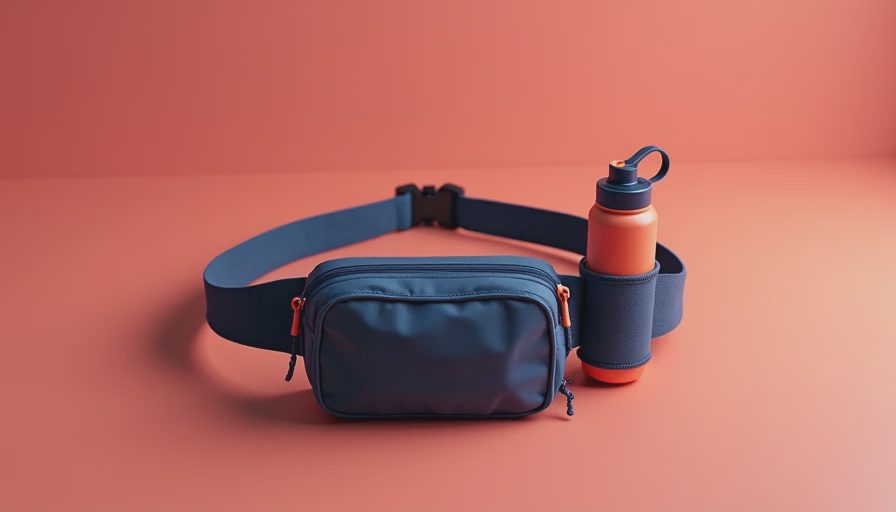
Fit matters more than pocket count
Measure where you intend to wear the belt, then compare that measurement with the manufacturer’s sizing chart. Do not automatically choose your usual pants size. Running belts sit against soft tissue and need enough tension to stay put, but excessive compression can create numbness, chafing, or a distracting feeling that you cannot take a full breath.
A properly fitted naked running belt should remain stable when you twist, climb stairs, and jog downhill. Load it with the items you normally carry and perform a simple test at home. Put your phone in the pocket, add keys and two gels, then jog in place for two minutes. Bend to touch your shoes. Rotate your torso. If the phone migrates toward your spine or the belt rolls into a cord, the problem will be worse after an hour of sweat.
Body shape also changes the answer. A belt that feels secure over a thin running shirt may slide when worn over a loose layer. In cold weather, I prefer positioning it under a lightweight shell, provided the jacket does not compress the contents into your ribs. Test that combination before race morning or a long trailhead departure.
Sweat, weather, and durability in the real world
Stretch fabric is comfortable, but it lives a hard life. Salt from dried sweat can stiffen fibers, grit can work into seams, and repeated washing can reduce elasticity. Look for a belt that feels dense rather than flimsy, with stitching that stays flat against the skin. Water resistance is useful for light rain and sweat, but “water resistant” does not mean waterproof. A phone still deserves a protective case or a small waterproof sleeve during a storm.
My preferred routine is simple: empty the pockets after every run, rinse the belt in cool water when it is salty, and air-dry it away from a hot radiator or direct vehicle dashboard heat. Do not leave a loaded belt in a truck overnight during a freeze or a hot summer afternoon. Elastic fibers do not care about your gear budget; they will age under abuse.
A naked running belt with reflective details can help during low-light road runs, but reflective trim is not a substitute for a headlamp or a visible outer layer. On forest roads and multiuse paths, assume drivers and cyclists will notice you late. The belt should support a safety plan, not become the entire plan.

Road running versus trail running
For pavement, the main concerns are bounce, phone access, and comfort over repetitive miles. A slim belt can carry a phone and a key without making you feel like you are wearing a tool pouch. That is where the minimalist design shines. It keeps your hands free and avoids the sweaty shoulder straps of a vest when you only need a few items.
Trail running adds complications. You may need a whistle, small first-aid items, an emergency layer, extra calories, and more water. Rocks and roots also create sharper vertical movement, so a belt that behaves perfectly on a sidewalk may slap against your back on a descent. For a two-hour loop near town, a naked running belt can be exactly right. For a remote route with uncertain weather, pair it with a small vest or choose the vest from the beginning.
Do not let a clean gear setup pressure you into carrying less than the route requires. Minimalism is useful when it removes unnecessary weight. It becomes poor judgment when it removes the water, navigation, or insulation that keeps a minor delay from becoming a serious problem.
How to choose one without buying twice
Start by writing down your normal carry: phone size, key count, fuel, water, and any safety item. Then check whether the pockets separate hard objects from items you may need while moving. A key rubbing against a phone is a design failure waiting to happen. A zipper pocket is valuable for cards and keys, while an open stretch pocket is faster for gels and wrappers.
Next, inspect the opening. If you have to fight the fabric to insert a modern large phone, you will eventually stop using that pocket. Check the belt’s return policy and measure over the clothing you actually run in. Brands such as Naked, FlipBelt, SPIbelt, and Nathan offer different approaches, from wide stretch bands to smaller zippered carriers. None is automatically best; the right choice depends on load, body shape, and distance.
Finally, load-test it before trusting it. Walk, jog, climb, and sit in a vehicle with the belt packed. If the contents press uncomfortably against your spine, rearrange them or select a different design. This is a garage decision with trail consequences, just in a smaller package.
Is a naked running belt worth it?
For short runs, races with reliable aid stations, dog walks, and fast hikes near familiar roads, a naked running belt can be one of the least annoying ways to carry essentials. Expect to spend roughly $25 to $70 for a reputable model, depending on storage, zippers, fabric, and hydration capacity. The expensive option is not always the better option; a simple belt that fits is more useful than a feature-heavy belt that shifts.
I would choose this style when the load stays light and the route is predictable. I would move to a hydration vest when water, layers, navigation, and emergency supplies exceed the belt’s stable capacity. That is not a failure of the belt. It is using the right tool for the job.
Before your next outing, load the belt, test it on a short hill, and check your skin afterward for hot spots. If it stays quiet, holds your essentials, and does not change your stride, it has earned a place in the kit. On the trail, boring gear is often the gear doing its job.


No comments yet — be the first to share a thought.