A bear mace holster is simple gear, but simple does not mean unimportant. If you carry bear spray on a forest road, hunting trip, or backcountry hike, the container needs to stay secure, remain reachable, and avoid becoming a loose projectile inside your vehicle. A can buried in a door pocket is technically with you. It is not practically ready.
I look at this setup the same way I look at recovery gear: the useful question is not whether it looks rugged in a product photo. The useful question is whether it works after dust, rain, bouncing, gloves, and a little panic enter the picture. The trail finds the weak point, usually when you have the least interest in discovering one.
What a good bear mace holster needs to do
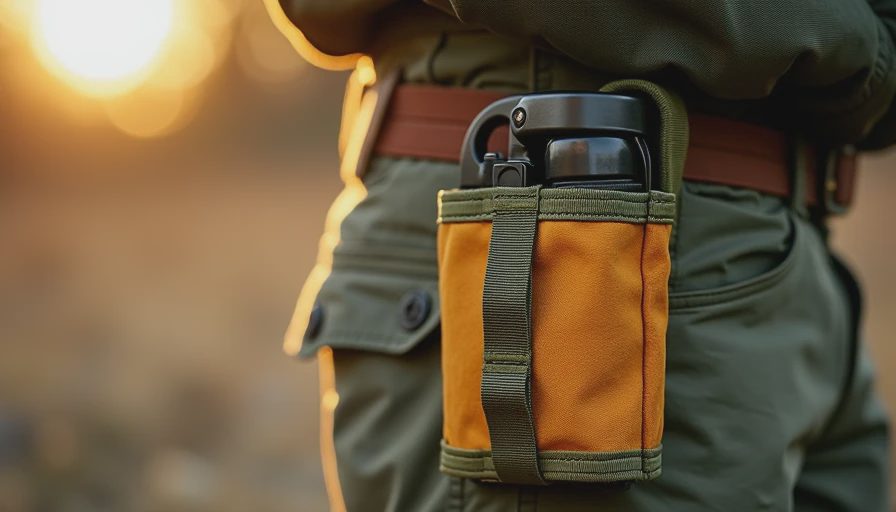
Start with retention. A good holster should hold a can of bear spray through walking, climbing, and rough vehicle travel without allowing the can to bounce out. A snap, elastic strap, or molded friction fit can all work, but the closure should be easy to operate with one hand. If it takes two hands and a careful look, it belongs in a gear bin, not on your belt.
Fit matters just as much. Most bear spray cans are larger than ordinary pepper spray containers, and diameters vary between products from Counter Assault, UDAP, Frontiersman, and other manufacturers. Measure the can you actually carry before ordering. A loose pouch can let the safety mechanism rub against clothing or gear. A tight pouch can slow access and make removal awkward.
The material should tolerate abrasion and weather. Nylon with reinforced stitching is usually adequate for hikers and campers. A molded polymer design can make sense for an ATV or truck where mud, water, and repeated impacts are common. I am less interested in camouflage, extra webbing, or a dramatic logo than in a closure that still works when grit gets into it.
Where to mount it on your body
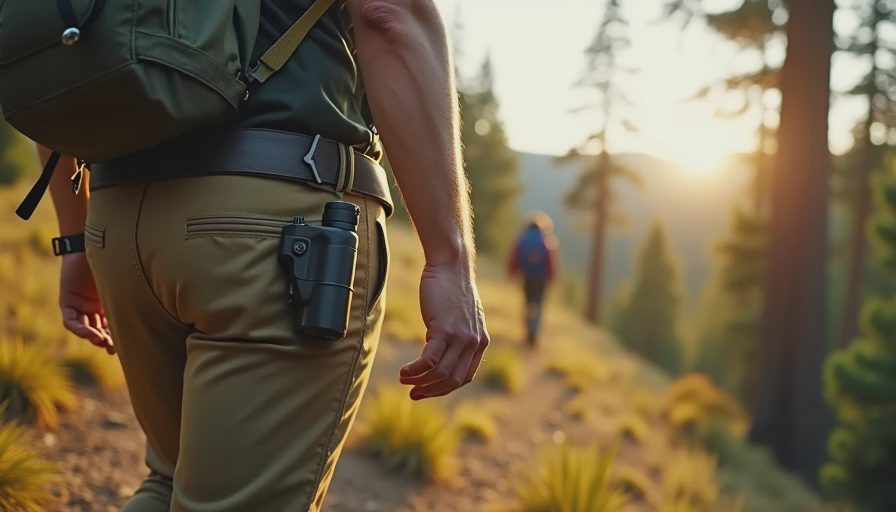
For most hikers, a belt-mounted bear mace holster is the most practical starting point. Position it on the front or forward side of your hip, where your hand can find it without reaching behind your back. A hip position also keeps the can from swinging as much as a loose pack strap. Test it while wearing the jacket, gloves, and backpack you use on actual trips.
Chest and shoulder mounts can be better for people carrying a heavy pack with a wide hip belt. The tradeoff is that straps and sternum hardware can crowd the can. A chest-mounted bear mace holster should not sit under a pack strap or behind a buckle. You want a clear path from hand to can, with no need to unzip a pocket first.
Avoid placing spray where a fall can crush the trigger or where a pack can cover it. Do not attach it to the back of a backpack simply because that spot is convenient during setup. If you cannot reach it while wearing the pack, the mount has failed its basic job. Practice locating it by touch, then confirm the safety and grip without spraying or removing the safety mechanism.
Vehicle and overland mounting considerations
A vehicle adds different problems. A bear mace holster attached to a seat-back pocket, MOLLE panel, or console organizer may be useful, but it must not interfere with driving controls, airbags, seat belts, or passenger movement. Secure the can so it cannot become a projectile during hard braking. A loose spray can beside a water bottle is not a storage system.
Keep bear spray out of direct heat and never leave it cooking on a dashboard in summer. Pressurized aerosol containers can be damaged by excessive heat, and a vehicle interior can get much hotter than the surrounding air. Store it in a shaded, ventilated location when practical, then move it to an accessible body mount before walking away from the truck.
I prefer a two-stage setup for trail days: one can carried on the person and a separate replacement can stored safely in the vehicle. That is not an invitation to carry more equipment than you understand. It simply prevents a punctured or expired can from leaving the whole group without a usable option. Check expiration dates and inspect the can for dents, corrosion, leaks, or damaged labeling.
Testing a bear mace holster before a trip
Do not wait until a remote trailhead to discover that the pouch rides upside down. Load the can and walk around your home, climb stairs, sit in the driver seat, and put on your pack. Then take a short local hike. Watch for the holster shifting, the can rotating, or the closure catching on a jacket hem.
A useful test is controlled movement without deploying the spray. Jog briefly, step over a log, kneel, and get in and out of the vehicle. If the can falls free, the mount needs adjustment or replacement. If the strap is difficult to release with cold fingers, choose a different design. Never test by spraying indoors, near people, around pets, or toward a vehicle. Bear spray is a serious irritant, not a toy or training fogger.
Read the instructions for the specific canister. Know which end is the nozzle, how the safety works, and what direction the manufacturer recommends. A holster cannot fix unfamiliarity. A few minutes of dry practice with an inert training can, where available, is a better investment than discovering the controls during a bad encounter.
Common mounting mistakes
The most common mistake is buying a pouch based on the phrase bear mace holster without checking dimensions. Product names are not standardized, and a holder marketed for bear spray may fit one can well and another poorly. Measure diameter and height, then compare those figures with the manufacturer’s specifications.
Another mistake is choosing maximum security over usable access. A pouch with several straps can hold the can through a rollover, but if you need to remove three layers of webbing, it is poorly matched to a walking setup. The best bear mace holster balances retention with a simple, repeatable release.
People also forget clothing changes. A mount that works over a summer shirt may disappear under a winter shell. Test it with rain gear, gloves, and a pack. Finally, do not modify the canister, drill holes in it, tape over controls, or place it near open flames. Gear improvisation has a place on the trail; pressurized chemical containers are not that place.
Choosing a setup for your kind of trip
For day hikes, select a lightweight nylon belt pouch with a secure flap and enough room for the exact can you carry. For multi-day backpacking, a shoulder or chest option may reduce interference with the hip belt. For an ATV, choose a tougher mount that resists mud and vibration, while keeping it clear of hot engine parts and moving controls.
Overlanders should separate emergency access from vehicle organization. A bear mace holster on the driver-side seat area can be convenient before a walk, but it should not block visibility or become reachable only after opening a door. If children or passengers travel with you, secure the can against unauthorized handling and explain that it is emergency safety equipment, not a prop.
Prices commonly run from roughly $15 for a basic nylon pouch to $40 or more for specialized chest, polymer, or modular systems. Spending extra is sensible when the fit, retention, and access improve. Spending extra for decoration is just another garage decision with trail consequences.
Final trail check
Before leaving, confirm the can is within its expiration date, the nozzle and safety are undamaged, and the bear mace holster holds the container firmly. Check that every person carrying spray understands the wind risk, keeps distance from companions, and knows the local rules for carrying and transporting it. Bear spray is for creating distance from wildlife, not confronting animals or people.
Looks ready and is ready are different things. Put the loaded setup through a short movement test, then use the same position every trip so access becomes familiar. Whether you choose a belt pouch, chest mount, or vehicle-supported system, favor reliability over tactical theater. The right bear mace holster is the one you can find immediately, that stays put when the trail gets ugly, and that does not create a new problem while solving an old one.

No comments yet — be the first to share a thought.