When a forecast turns ugly three hours from the nearest paved road, synthetic vs down insulation wet weather becomes more than a gear argument. It becomes a question of whether your jacket, sleeping bag, or camp quilt can still keep you warm after rain, wet brush, condensation, and a sloppy tent setup. I have used both fills in mountain storms and desert shoulder seasons, and the honest answer is not as tidy as most product pages suggest. Down is wonderfully efficient. Synthetic is usually more forgiving. The trail finds the weak point in whichever one you packed.
Why Wet Conditions Change the Insulation Decision
Down works by trapping air in a network of fine feathers. When those feathers stay dry and lofted, down offers excellent warmth for its weight and compresses into a remarkably small stuff sack. That is why serious backpackers and overland travelers still pay premium prices for down jackets, quilts, and sleeping bags.
Water is the problem. Once down gets wet, the clusters can clump together and lose loft. A damp down jacket is not automatically ruined, but it can become a poor heat-trapping layer until it dries completely. Drying it at camp is difficult when the air is humid, the sun is gone, or the only available heat source is a dangerous campfire.
Synthetic fill uses manufactured fibers that maintain more of their loft when damp. It still performs worse when soaked, but it generally recovers faster and continues providing some insulation. That difference matters when a shell leaks, a bottle spills inside a duffel, or a sleeping bag brushes against a wet tent wall at 2 a.m.
The practical takeaway from synthetic vs down insulation wet weather is simple: down rewards discipline, while synthetic tolerates mistakes. If your route has dependable dry shelter and you can protect your insulation, down can be the better tool. If weather is uncertain and failure would create a safety problem, synthetic earns its extra bulk.

Jackets, Sleeping Bags, and Camp Quilts Are Different Decisions
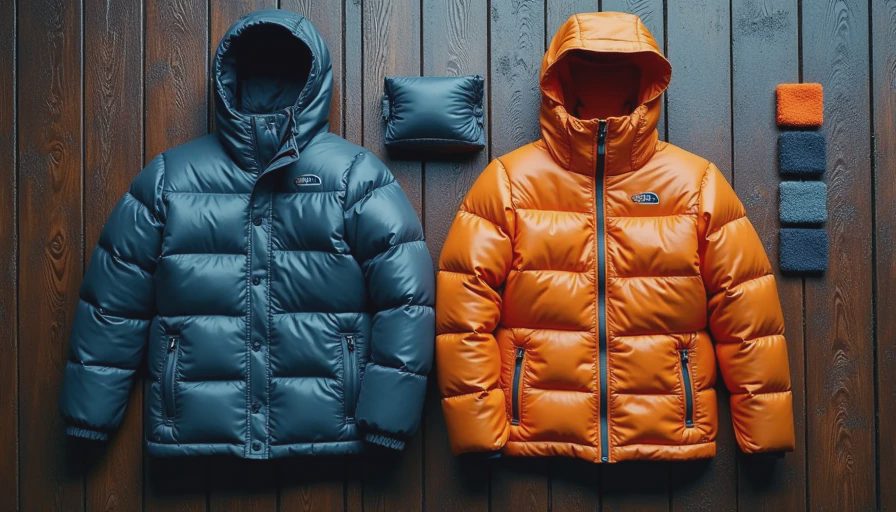
A jacket is exposed to more abuse than insulation inside a properly managed sleeping bag. You may wear it while collecting firewood, loading a roof box, or leaning against a wet vehicle. For that reason, a synthetic jacket such as the Patagonia Nano Puff or Arc'teryx Atom is often a sensible active-camp layer in damp weather. These products are not magic, but their synthetic fills handle casual moisture better than a soaked down sweater.
Down jackets from brands such as Mountain Hardwear, Rab, and The North Face can be excellent in cold, dry conditions. A water-resistant shell and treated down buy useful time during a brief shower. They do not turn a down jacket into rain gear. Wear a waterproof shell over it, keep the jacket out of wet vehicle doors, and avoid using it as a work layer when you are crawling under a truck.
Sleeping bags deserve more caution. A bag is exposed to your body moisture all night, tent condensation, and whatever happens when you climb inside wearing damp base layers. Synthetic bags are heavier and bulkier, but they are easier to trust on a wet weekend. Down bags make more sense for dry high-country trips, long approaches where every ounce counts, or travelers who already have a reliable shelter routine.
Weight, Pack Space, and Drying Time
Synthetic insulation usually costs less than comparable down, but the price difference is not the entire story. A quality synthetic sleeping bag may take up noticeably more room in a vehicle drawer or backpack. In an SUV loaded with recovery boards, tools, water, and food, that space still has a cost. A down quilt can save several pounds and compress small enough to leave room for another warm layer.
The tradeoff reverses when drying enters the equation. Synthetic fill can often be spread over a seat or dry bag during a lunch stop and regain useful loft within hours, depending on how wet it became. Down may need repeated shaking, warm air, and a full afternoon of sunshine. If you are moving camps every day, that recovery time becomes a real planning issue rather than a minor inconvenience.
This is where synthetic vs down insulation wet weather should be judged against the whole loadout. If you carry a spacious tent, a waterproof pack liner, and a separate rain shell, down can work beautifully. If your gear rides in an open truck bed, shares space with muddy recovery equipment, or gets handled by children at camp, synthetic offers a wider margin for error.
How to Protect Down When You Choose It
Choosing down is not foolish. Packing it carelessly is. Start with a waterproof stuff sack or liner, and keep sleeping insulation separate from clothing that has already absorbed rain. Do not store a down sleeping bag compressed for weeks; use the larger storage sack supplied by the manufacturer when you are home. Long-term compression can damage loft over time.
At camp, wear a rain shell over a down jacket before you step outside. Vent your tent to reduce condensation, and avoid pushing the footbox against a damp wall. If the insulation gets wet, do not panic and do not put it directly against a heater. Open it fully, press out excess water with a towel, and let it dry with airflow. A hotel room, vehicle ventilation, or sunny campsite can help, but never leave fabric touching a hot exhaust outlet.
A small dry bag, a fleece backup layer, and a weatherproof shelter are cheap insurance. They turn a vulnerable piece of premium gear into part of a system that can handle a bad night.
What I Would Pack for Common Trips
For a wet forest-road trip with frequent camp moves, I would choose a synthetic jacket, synthetic sleeping bag, and waterproof shell. The extra volume is easy to accept in a truck or SUV, and I would rather spend that space on dependable warmth than gamble on perfect weather. This setup is especially sensible for shoulder-season travel, family trips, and routes where turning around is inconvenient.
For a dry desert trip in late fall, I would lean toward a down jacket and down quilt, provided the forecast looked stable and the sleeping shelter had a solid floor or bathtub-style design. Desert weather can still surprise you, but the main risks are often cold wind and temperature swings rather than hours of steady rain. Keep the down protected during camp chores and it can deliver an excellent warmth-to-weight ratio.
For a high-elevation trip, synthetic vs down insulation wet weather comes down to consequences. If a wet sleeping bag could lead to dangerous exposure, I favor synthetic or carry a reliable synthetic emergency layer. If the trip is long, weight matters, and I have practiced moisture control, down becomes reasonable. Looks ready and is ready are different things.
A Simple Buying Checklist
Before buying, identify where the insulation will be used. A jacket for driving between trailheads has different demands from a jacket worn while winching a stuck vehicle. A sleeping bag kept in a dry tent has different exposure from one used in a bivy setup. Match the fill to the job instead of buying the most expensive option.
Check the temperature rating, but do not treat it as a guarantee. Sleeping pads, base layers, wind, fatigue, and moisture all affect comfort. Compare packed size with your actual storage space. A bag that technically fits may block the drawer needed for food or recovery gear. Inspect the shell fabric, zipper design, hood adjustment, and repair policy. A broken zipper in cold rain is not a minor annoyance.
My final rule for synthetic vs down insulation wet weather is straightforward: choose down when you can control moisture, and choose synthetic when you cannot. Down is lighter and more compact; synthetic is tougher to manage badly. Neither fill replaces a good shell, a dry storage plan, or the judgment to leave when the weather is winning. The trail finds the weak point, so build enough margin that one wet layer does not become the whole story.

No comments yet — be the first to share a thought.