An rtic cooler looks like the sensible answer for truck camping: tough enough for rough roads, insulated well enough for a hot weekend, and priced below some premium competitors. That general impression is mostly fair. The important question is not whether it can sit in the back of a 4Runner or Tacoma. The question is whether you choose the right size, load it correctly, and leave enough vehicle capacity for the gear that gets you home.
I have watched people spend thousands on suspension and tires, then toss a giant cooler into the cargo area without thinking about weight. That is a garage decision with trail consequences. A full 65-quart cooler can approach or exceed 80 pounds once you add ice, drinks, food, and the cooler itself. The trail finds the weak point, and poor load planning is one of the easiest weak points to avoid.
Choosing the right RTIC cooler size
The best RTIC cooler is usually smaller than the one shoppers first want. For two people on a two-night trip, a 20- or 32-quart model is often easier to pack, easier to lift, and less wasteful with ice. A 32-quart RTIC cooler can handle meals, drinks, and a few frozen items without consuming half the cargo area. It also fits more easily behind a second-row seat or beside a recovery bag.
Move up to a 52- or 65-quart model when you are feeding a family, carrying fresh meat for several days, or traveling with a group. The extra space is useful, but it comes with a handling penalty. A large RTIC cooler is awkward when full, especially on a steep campsite or while unloading from a truck bed. If you need that capacity, plan a second set of hands or use a slide, strap system, or low platform.
Think about shape as well as volume. A tall cooler may hold bottles efficiently but waste the flat space beneath a tonneau cover. A wider chest may stack food better but block access to tools. Measure the actual storage area, including wheel wells and tie-down points, before ordering. Manufacturer dimensions describe the cooler; your vehicle decides whether it is practical.
Ice retention is about preparation, not magic
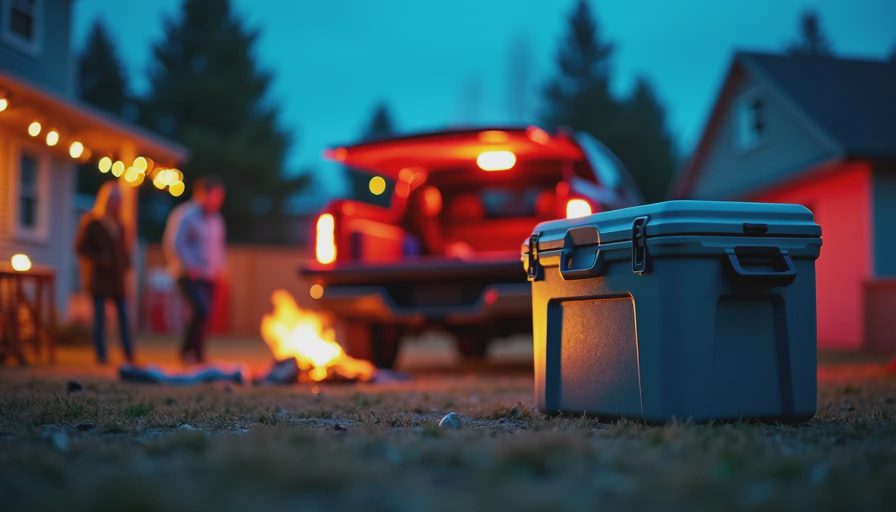
An RTIC cooler can retain ice well, but no hard-sided cooler defeats a bad loading routine. Pre-chill the interior with sacrificial ice or frozen water bottles the night before departure. Load cold food directly from the refrigerator, and freeze items that can safely be frozen. Warm groceries consume the cooling margin before you even reach the trailhead.
Use block ice for the slowest melt and cubed ice to fill gaps around cans and containers. I like frozen one-gallon jugs for camp trips because they last, do not create a soup of loose ice, and provide drinking water after thawing. Keep the lid closed, store the cooler in shade, and avoid opening it every time somebody wants a single soda. A cooler in direct Arizona sun will struggle more than one under a hatch or reflective cover, regardless of the logo.
The drain plug deserves attention before the first trip. Check that it seats fully, then carry a small spare gasket or confirm that replacement parts are available. A slow leak is not dramatic in the driveway; on a long washboard road, it can turn into a wet cargo area and melted ice before lunch. The RTIC cooler is built for useful abuse, not for ignoring basic maintenance.
Packing an RTIC cooler for rough roads
Separate food by use. Put breakfast supplies in one container, dinner ingredients in another, and snacks where they can be reached without digging through everything. Reusable silicone bags and low plastic containers reduce wasted space and prevent punctured packaging. Avoid loose glass whenever possible. One broken jar on a corrugated road can turn a successful trip into a cleanup job involving paper towels, dish soap, and several unpleasant words.
Keep meat sealed in leakproof bags and place it low in the cooler. Pack fragile fruit near the top, where it will not be crushed by drinks. If you carry medication or anything that must stay at a reliable temperature, use a separate solution rather than trusting one shared cooler that gets opened constantly. The same advice applies to baby food and specialized dietary items.
An RTIC cooler should also be secured. A full chest becomes a heavy projectile during hard braking or a rollover. In an SUV, run a rated strap through appropriate anchor points. In a pickup, keep it against the cab or use a bed divider and tie-downs. Do not rely on a loose cargo net meant for lightweight bags. A cooler that shifts can damage itself, your tailgate, or a person standing nearby.
Where this cooler fits in an overland loadout
For most weekend rigs, an RTIC cooler makes more sense than a powered refrigerator when simplicity matters. It does not draw from the vehicle battery, require a compressor, or demand a carefully managed auxiliary electrical system. That is valuable on a basic camping setup with a stock alternator and one starting battery. You can spend the saved money on a tire repair kit, better recovery points, or fuel range.
The tradeoff is daily management. A powered fridge maintains a more predictable temperature and eliminates melted ice, but it adds wiring, mounting, power consumption, and another failure point. A cooler is easier to move between vehicles and useful for tailgates, hunting camps, or a family picnic. If your trips last two or three nights, good ice discipline is usually enough. If you live out of the vehicle for a week, refrigeration becomes more attractive.
Brand comparisons should stay grounded. YETI has a strong reputation and broad accessory support, while Coleman offers affordable designs that work well for casual use. RTIC generally occupies the practical middle ground: hard-sided insulation, useful accessories, and a price that leaves room in the trip budget. It is not automatically the best choice for every vehicle, but it is rarely a silly choice when the size matches the mission.
Buying advice before you spend the money
Start with your normal trip, not an imaginary expedition. Count the meals, drinks, and ice required for a typical weekend. Measure the vehicle opening and weigh what you can comfortably lift. Then decide whether you need a dedicated drink cooler or one chest for everything. Two smaller coolers can be easier to organize than one massive box, although they occupy more floor area.
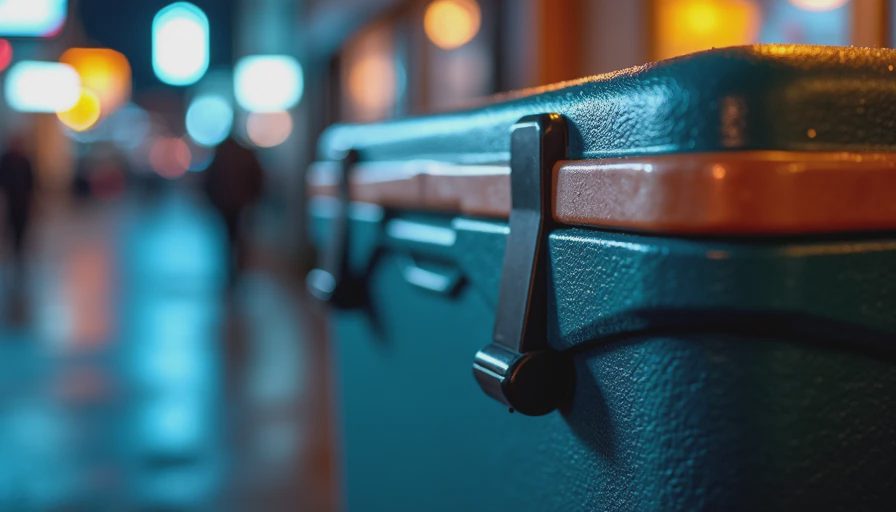
Look for features that solve a real problem: sturdy hinges, a dependable gasket, a usable drain, tie-down compatibility, and handles that do not punish your hands. Wheels are useful around a campground but add bulk and can catch on uneven ground. Accessories such as baskets, dividers, and cutting boards are worthwhile only if they improve packing rather than giving you more things to lose.
An RTIC cooler is a good buy when you want durable cold storage without building an electrical system around it. It is a poor buy when its capacity encourages you to overload the vehicle or when nobody wants to lift it once full. Before checkout, estimate the loaded weight, the storage location, and who will move it at camp. That simple exercise prevents most buyer's remorse.
Final trail judgment
The right RTIC cooler is quiet gear: it keeps food cold, survives bouncing around, and does not demand attention every hour. Choose the smallest size that covers your real trip, pre-chill it, pack it by meal, and secure it like any other heavy cargo. Those habits matter more than bragging rights or a dramatic product photo.
For a couple running forest roads for a long weekend, I would start with a 32-quart model. For a family or group, I would consider a 52-quart chest and accept the weight. Either way, leave room for water, tools, recovery gear, and the uncomfortable possibility that the route takes longer than planned. Looks ready and is ready are different things. Your cooler should support that judgment, not replace it.


No comments yet — be the first to share a thought.