A Yukon Alaska trip sounds simple until the pavement narrows, the next fuel stop moves farther away than expected, and weather turns a dry road into a mud-slick guessing game. The Yukon is a Canadian territory, while Alaska is a U.S. state, and crossing between them puts vehicle preparation, documents, and route judgment on the same checklist. I have learned that a Yukon Alaska run rewards a boring vehicle more than an impressive one. Reliable cooling, sound tires, and a driver willing to turn around beat a tall suspension lift every time.
Choose a Route That Matches Your Vehicle
The main Alaska Highway is the sensible starting point for many drivers because it connects established communities and services across long distances. That does not make it a casual highway. Construction zones, frost damage, gravel sections, wildlife, and long stretches without cell service can expose weak tires, loose skid plates, and overloaded racks. Secondary roads such as the Top of the World Highway can add dramatic scenery and a more remote feel, but their seasonal opening, surface condition, and available services require current verification before departure.
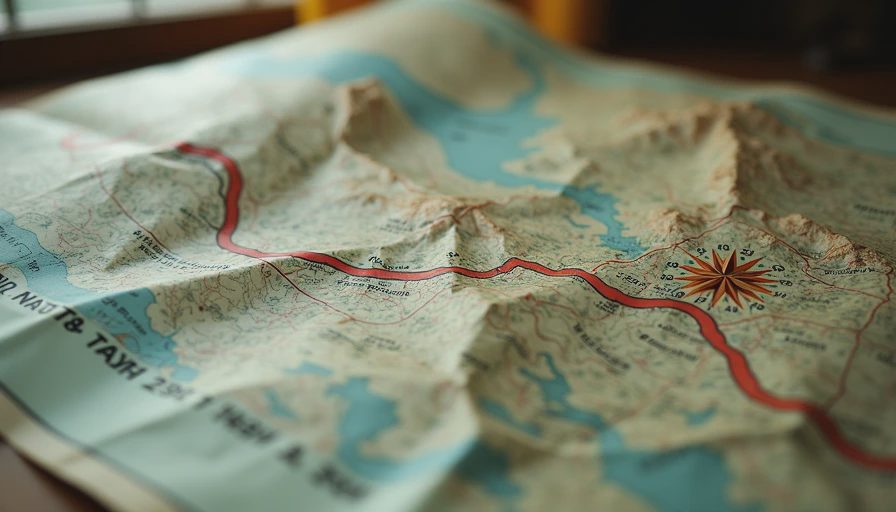
For a Yukon Alaska route, separate the trip into fuel, recovery, and bailout points rather than measuring progress by scenic stops. Keep a paper map marked with towns, fuel stations, repair options, and alternate roads. A route that looks short on a mapping app can consume a full day when rain, roadwork, or a slow-moving convoy enters the equation. Before leaving, call ahead for current fuel availability instead of trusting an old forum post. Remote travel punishes assumptions quietly, then sends the bill all at once.
Build the Vehicle Around Weight and Heat
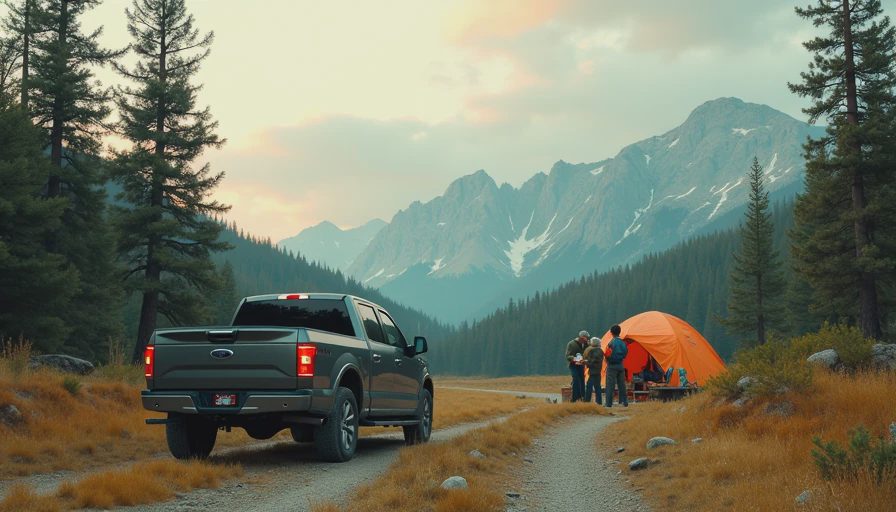
Start with the tires. A properly sized all-terrain tire with strong sidewalls is usually more useful than an aggressive mud-terrain tire that adds noise, weight, and rolling resistance. Inspect tread depth, date codes, sidewalls, and the spare before departure. The spare should be a full-size match, not the temporary donut that came with a city commuter. Carry a plug kit, valve cores, a 12-volt compressor, a tire gauge, and the tools required to remove your wheels.
Weight is the failure multiplier on a Yukon Alaska trip. Water, fuel cans, recovery equipment, food, passengers, and rooftop cargo add up quickly. Check the door-jamb payload rating, then weigh the loaded vehicle if possible. A truck with a 1,500-pound payload rating can lose much of that capacity after passengers, a camper shell, steel bumpers, drawers, and a winch are installed. Keep heavy items low and forward of the rear axle. A roof rack should carry light, bulky gear, not a stack of firewood and a full spare.
Cooling deserves equal attention. Replace questionable hoses, inspect the radiator for packed debris, verify fan operation, and confirm the battery terminals are tight. Bring spare fuses, belts if practical, coolant compatible with the vehicle, and enough basic tools to handle a loose bracket or failed hose clamp. A skid plate that blocks airflow or a light bar mounted directly in front of the grille can create a garage decision with trail consequences.
Treat Weather as a Route Variable
Northern weather can change the meaning of a road in hours. Rain raises the risk of slick clay, standing water, and reduced visibility. Cold temperatures affect batteries, tire pressure, fluids, and sleeping comfort even when the calendar suggests summer. For a Yukon Alaska itinerary, check forecasts for every major section rather than relying on the weather at your departure point. A sunny morning in a populated area tells you little about a high pass several hours ahead.
Carry layers that still work when wet, waterproof gloves, a real rain shell, and footwear suitable for walking around a disabled vehicle. Keep an emergency shelter, sleeping bag rated for plausible temperatures, water, and food that does not require a camp stove. If a breakdown happens late in the day, staying with the vehicle is generally safer than walking an unknown road toward a service point. Tell someone at home your planned route and a specific check-in time. Give them permission to escalate when you miss it.
Navigation and Recovery Need Redundancy
Cell coverage is not a navigation plan. Download maps before leaving service, carry a paper atlas, and bring a charging setup that can survive vibration. A phone, Garmin device, or tablet running an offline mapping app can be useful, but each depends on power and correct setup. Test the route downloads at home by switching the device to airplane mode. That simple test has saved more trips than an expensive gadget.
Recovery equipment should match the vehicle weight. A rated soft shackle, kinetic recovery rope, recovery boards, gloves, a folding shovel, and a properly rated recovery point cover many common problems. A winch is useful only when it is mounted correctly and paired with a suitable anchor strategy. Never pull from a tow ball, factory tie-down loop, or unknown bumper bracket. If you travel alone, your recovery plan is mostly a prevention plan: avoid wet shortcuts, maintain momentum on loose climbs, and stop before the road becomes a commitment.
For a Yukon Alaska trip, inspect every recovery item before loading it. Look for cuts, abrasion, bent hardware, damaged stitching, and corrosion. Store soft goods dry and away from sharp tools. Practice using the gear in daylight with a partner. Trail-side instruction delivered in freezing rain is an expensive classroom.
Plan Fuel, Food, and Camp Like an Adult
Fuel planning should include a reserve for detours, idling, slow gravel, and waiting behind construction. Do not calculate range from the dashboard estimate alone. Record actual fuel use on the first two days, then make conservative decisions. Approved fuel containers must be secured upright, protected from impact, and kept away from passengers. Never store gasoline inside the cabin.
Food should cover at least one extra day beyond the schedule. Tortillas, canned fish, instant rice, oatmeal, peanut butter, trail mix, and shelf-stable meals are practical because they remain usable when the cooler fails. Carry a stove with a windscreen, backup ignition, and enough fuel, but keep a no-cook meal available. Water access can be unpredictable, so bring more than you expect to consume and carry a filter or treatment method for emergencies.
Choose campsites with drainage, distance from moving water, and room to leave without turning around through a muddy mess. Store food and scented items securely according to local rules. Keep the camp quiet and clean; remote does not mean consequence-free. A good camp is one you can break down quickly when wind, rain, wildlife, or road conditions change.
The Judgment That Gets You Home
The best Yukon Alaska vehicle is not the one with the longest parts list. It is the one with fresh fluids, dependable tires, sensible weight, working recovery points, and a driver who understands the limits of both machine and route. Build in time for inspection stops, weather delays, and an occasional wrong turn. If the road deteriorates beyond your comfort or equipment, turning around is not failure. It is route management.
Before departure, walk around the vehicle, check every strap and latch, confirm documents and border requirements, and send your itinerary to someone responsible. Then leave enough margin to enjoy the country instead of racing through it. The trail finds the weak point. On a Yukon Alaska journey, preparation simply gives you a better chance of finding it in the driveway instead of beside a wet, empty road.


No comments yet — be the first to share a thought.