Backpacking recipes should do more than look good in a camp mug. They need to survive a hot truck, a damp pack, a tired cook, and the moment when the wind decides your stove has personally offended it. After enough nights eating beside trailheads and forest roads, I have learned that the best meals are lightweight, filling, and boringly reliable. These backpacking recipes focus on real trail use: minimal cleanup, sensible fuel consumption, and ingredients you can find at an ordinary grocery store.
What Makes a Trail Meal Worth Carrying
Weight matters, but it is not the only measurement. A meal that saves three ounces and leaves you hungry at 8,000 feet is a bad trade. Good backpacking recipes balance calories, protein, carbohydrates, packability, and cooking time. They also account for your mood. After walking all day, I would rather spend eight minutes making a hot meal than chew another cold energy bar while staring at a packet of instant oatmeal.
Shelf stability is the next filter. Dehydrated vegetables, instant rice, couscous, powdered milk, tuna packets, jerky, nut butter, and hard cheese generally travel well. Fresh meat, soft bread, and anything that requires refrigeration belong near the trailhead, not at the bottom of a pack. Measure ingredients at home, combine them in labeled bags, and write the water amount and cook time on each package. That small step prevents the classic camp problem of guessing whether “some water” means one cup or three.
For a two-night trip, I usually pack one substantial dinner per night, simple breakfasts, and lunches that need no cooking. That approach keeps the stove available for coffee and reduces the number of dirty dishes. Backpacking recipes should simplify camp, not turn dinner into a field version of a cooking competition.
Five Backpacking Recipes for Dinner
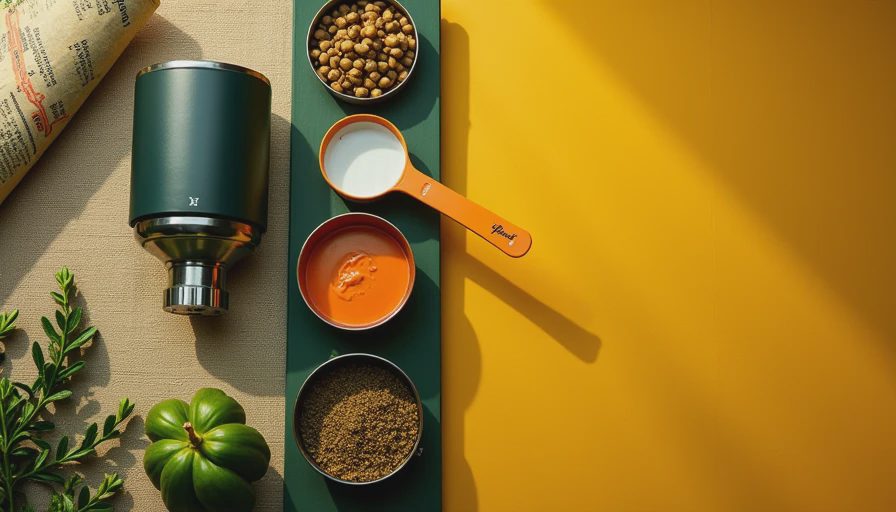
Start with peanut noodles when the weather is warm or you know morale will be low. Pack rice noodles, powdered peanut butter, soy sauce packets, dried vegetables, and crushed peanuts. Soak the noodles in boiled water, drain carefully, then stir in the peanut powder, soy sauce, and a little water until the sauce loosens. Add a tuna packet or shelf-stable chicken for more protein. The entire meal can fit in a quart bag and cooks in roughly five minutes.
Red lentil curry is better for cold evenings because it delivers a thicker, more satisfying bowl. Combine quick-cooking red lentils, instant rice, curry powder, dried spinach, powdered coconut milk, and bouillon. Boil the lentils first, add the rice and spinach, then stir in the coconut powder after removing the pot from the heat. The result is warm, cheap, and far more interesting than another pouch of noodles. Test the spice level at home; high elevation is not the place to discover that your curry blend is aggressive.
For a fast meal with almost no cleanup, use couscous with salami and vegetables. Couscous only needs steeping, so it saves fuel compared with pasta or beans. Add dehydrated peas, sun-dried tomatoes, sliced hard salami, olive oil, and a packet of seasoning. Pour boiling water over everything, cover the pot, and wait five minutes. Backpacking recipes built around couscous are especially useful for short trips because the grain packs small and does not demand precise cooking.
Cheesy potato chili works when you want comfort food. Pack instant mashed potatoes, dehydrated black beans, chili seasoning, powdered cheese, and crushed tortilla chips separately. Rehydrate the beans with extra-hot water, stir in the potatoes and seasoning, then finish with cheese and chips. It is dense enough for a cold night and forgiving if your measurements are slightly wrong. That is an important quality after a long climb.
Breakfast and Lunch Without the Stove Marathon
Breakfast should get you moving, not trap you beside camp for half an hour. Instant oats become more useful with powdered milk, brown sugar, chia seeds, raisins, and a spoonful of nut butter. Add cinnamon or freeze-dried fruit if you want better flavor. For a savory option, instant grits with bacon bits, powdered cheese, and hot sauce packets deliver a salty start after a cold night. These backpacking recipes use one pot and leave little residue behind.
Lunch works best when you can eat while watching the route rather than washing dishes. Tortillas are sturdier than sandwich bread and can carry peanut butter with honey, tuna with relish, or salami with a hard cheese. Add a small bag of pretzels, dried fruit, or roasted nuts for texture and extra calories. A tuna tortilla weighs little, opens quickly, and does not require the mental energy needed to assemble a proper meal at midday.
Trail mix becomes a better lunch component when you build it around purpose. Use nuts for fat, dried fruit for quick carbohydrates, chocolate for morale, and pretzels for salt. Avoid making the entire bag sweet; that sounds clever at home and becomes exhausting by day three. Portioning it into daily bags also prevents one hungry afternoon from eating tomorrow’s calories.
Packing, Water, and Cleanup Details
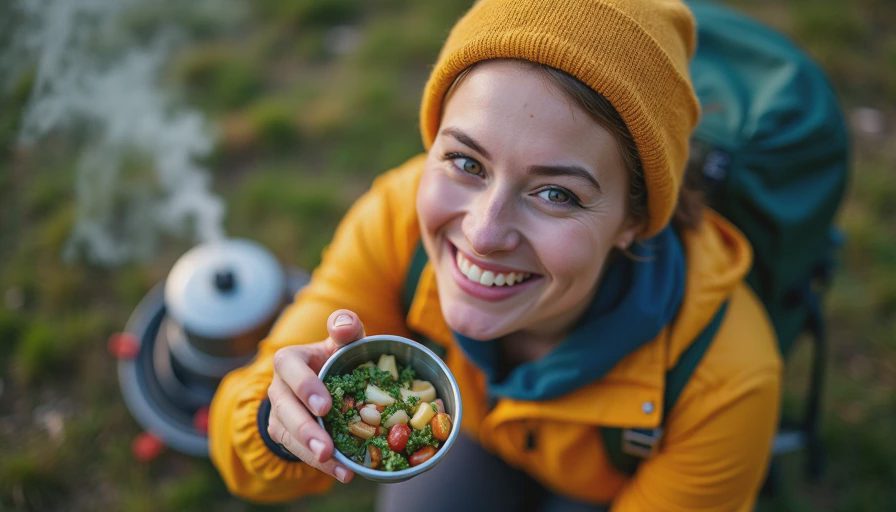
Measure every dry ingredient before leaving home. A digital kitchen scale helps, but even measuring cups will improve consistency. Put each dinner in a freezer bag labeled with the recipe name, water volume, steep time, and any ingredients added after cooking. Keep seasoning packets inside a second bag because a torn soy sauce packet can turn a food sack into a sticky disaster.
Water planning depends on the route, weather, and reliable sources, but cooking water still counts. Do not assume a stream near camp will be available or safe without treatment. Carry enough for the dry meal, morning drink, and a reserve when the route is uncertain. A backpacking filter handles many sources, while chemical treatment provides useful backup. The lightest dinner is not a bargain if it forces you to search for water after dark.
Cleanup should be part of the recipe design. Choose meals that rehydrate rather than simmer, use a silicone scraper or spoon to remove residue, and wipe the pot before adding wash water. Pack out every food scrap, including the tiny bits stuck to a tortilla wrapper. Wildlife does not need an invitation to your campsite, and a clean kitchen is easier to manage when rain arrives.
Build a Three-Day Food Plan
For a typical three-day weekend, I would pack oats or grits for two breakfasts, tortillas and trail mix for two lunches, and three dinners such as peanut noodles, red lentil curry, and cheesy potato chili. Add coffee, electrolyte powder, one emergency snack, and a little extra food for delays. The emergency item should be something you will actually eat, not a dense bar you already dislike.
Before a longer trip, cook each recipe at home using the same pot and stove you will carry. Check the water amount, fuel use, portion size, and cleanup time. If a meal leaves half a cup of glue in the pot at home, it will be worse when you are tired and cold. Backpacking recipes earn a place in the pack by working in the kitchen first, then working again outside.
The trail finds the weak point, whether that is a loose axle, a poor route decision, or dinner that takes forty minutes and three pans. Keep the food simple, pack ingredients with discipline, and choose meals that leave you ready for tomorrow’s miles. The best backpacking recipes do not steal the trip; they quietly make the next morning easier.
No comments yet — be the first to share a thought.