I learned this lesson from a guy named Rick.
Rick was an experienced outdoorsman. He'd been hiking, camping, and driving trails for twenty years. He knew his stuff. He'd also never met a piece of gear he didn't think he needed.
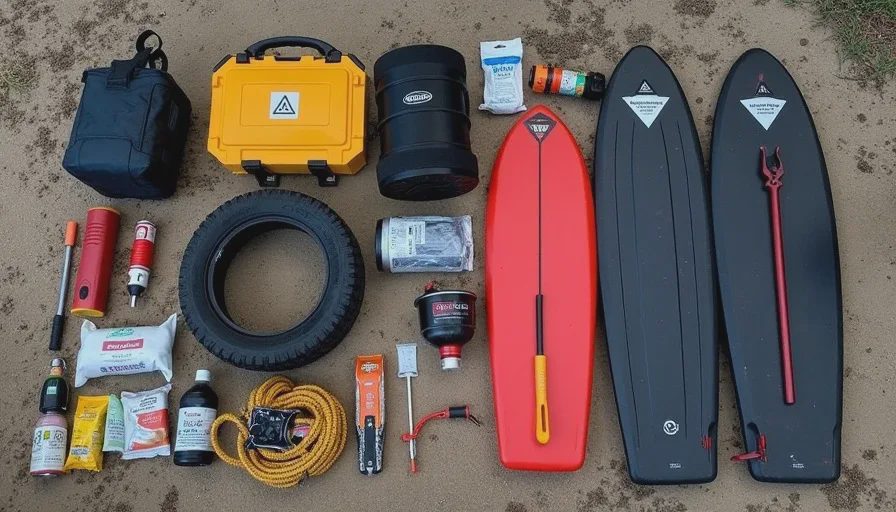
For a day trip—a simple out-and-back on a forest road—Rick packed like he was crossing the Darién Gap. Full recovery kit. Two spare tires. A chainsaw. A full mechanics' tool set. A cooler big enough for a week. A tent. A stove. A camp chair. A table. An axe. A saw. A shovel. A backup shovel. His truck looked like a yard sale on wheels.
"I like to be prepared," he said.
"You like to be heavy," I said.
He laughed. Then he spent the whole day stressed about his load. Worried about his suspension. Worried about his fuel. Worried about his transmission. He wasn't enjoying the trail. He was managing the gear.
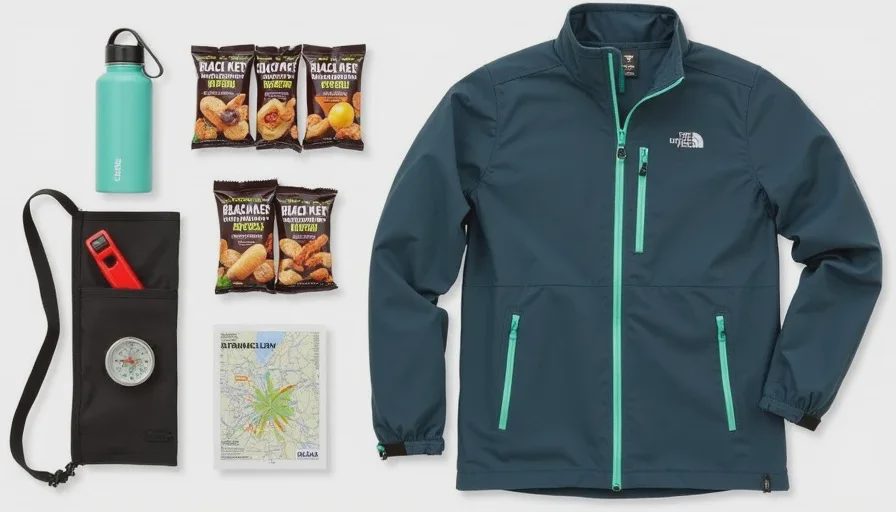
Meanwhile, I'd packed a day bag. Water. Snacks. A jacket. A basic tool roll. A small first-aid kit. That was it. I was light. I was mobile. I was having a good time.
The difference wasn't experience. It was judgment. Rick was packing for a worst-case scenario that wasn't going to happen. I was packing for the trip I was actually taking.
The Philosophy
Here's the thing about packing tools and spares. It's not about how much you carry. It's about how well you match your kit to your trip.
A day trip is different from a remote weekend. Different risks. Different distances. Different help. Different requirements. If you pack for one like the other, you're either overburdened or underprepared. Neither is good.
The goal is to carry what you need and nothing more. That takes judgment. It takes experience. It takes honesty about where you're going and what could actually go wrong.
Here's how I think about it.
The Day Trip: Light, Fast, and Focused
A day trip is simple. You're out for a few hours. You're within a reasonable distance of help. You're not camping. You're not cooking. You're just moving through the landscape.
The risks:
A flat tire
A minor mechanical issue
Getting lost
Weather changes
An injury (minor)
The philosophy:
Carry the minimum that covers the basics
Move fast and light
Stay aware of your surroundings and your body
Enjoy the day without being weighed down
The Essentials:
Tools
For a day trip, I carry a small roll of basic tools. Not a full mechanics' set. Just the things I'm most likely to need.
Multi-tool or basic pliers. For small fixes. Adjusting things. Pulling things.
A small adjustable wrench. For the most common bolt sizes on your vehicle or gear.
A tire pressure gauge. Check your pressures before you go. Adjust them when you're on the trail.
A small roll of duct tape. It fixes everything. Temporarily.
Zip ties. They hold things together. They're light. They're versatile.
What I don't carry:
A full socket set (too heavy, too much)
A jack (the factory jack is fine for a day trip)
A full recovery kit (two boards and a strap are plenty)
Extra fluids (check them before you leave)
Spares
For a day trip, spares are limited. You're not going far. You can get help if you need it.
A properly inflated spare tire. Check it before you leave.
A tire repair kit. Plugs and a reamer. Small and light.
A spare belt. If your vehicle has a serpentine belt, carry one.
Fuses. A few of the common sizes.
What I don't carry:
Extra coolant (check it before you leave)
Extra oil (check it before you leave)
Extra hoses (unlikely to fail on a day trip)
Extra U-joints (overkill)
The "If I Get Stuck" Kit
For a day trip, getting stuck is a minor inconvenience. You're not far from help.
A pair of recovery boards. Light ones. Not the heavy-duty expedition kind.
A kinetic rope. Just in case someone else needs to pull you out.
Two soft shackles. Light. Versatile.
What I don't carry:
A winch (too heavy, too much)
A Hi-Lift jack (too heavy, too dangerous)
A deadman anchor (you won't need it)
Navigation
A phone with offline maps. Download the area before you go.
A paper map. Just in case. It's light.
A compass. A small one.
Clothing
A jacket. Weather can change.
A hat. Sun protection.
Sunscreen. Even on cloudy days.
Extra socks. Wet feet are miserable.
Food and Water
Water. At least two liters. More if it's hot.
Snacks. Something with protein and salt. Nuts. Jerky. Granola bars.
A small water filter or purification tablets. In case you run out or find a stream.
The Remote Weekend: Self-Sufficient and Prepared
A remote weekend is different. You're far from help. You're out for days. You're on your own.
The risks:
A flat tire—or two
A more serious mechanical issue
Getting lost—and needing to find your way back
Significant weather changes
An injury that requires evacuation
Running out of water, food, or fuel
The philosophy:
Carry enough to be self-sufficient for the duration
Plan for the worst but pack for the trip you're taking
Be prepared to spend an extra night if things go wrong
Respect the distance from help
Tools
For a remote weekend, I carry a more comprehensive tool kit. Not a full mechanics' set, but enough to handle common issues.
What I carry:
A socket set. A small one with common sizes.
Wrenches. Combination wrenches for the most common bolts.
Pliers. Needle-nose and standard.
Screwdrivers. Flathead and Phillips.
A multi-tool. For quick fixes.
Duct tape. A full roll.
Zip ties. A variety of sizes.
A small hammer. For persuasion.
A tire pressure gauge.
A portable air compressor. To air down and air up.
A tire repair kit. Plugs, reamer, insertion tool.
A small pry bar. For stubborn things.
What I don't carry:
A full mechanics' set. Too heavy. You don't need everything.
A welder. Overkill for a weekend.
A full set of spare parts. You're not a parts store.
Spares
For a remote weekend, spares are more important. You might not be able to get help quickly.
What I carry:
A spare tire. Properly inflated. Checked before every trip.
A tire repair kit. You might get more than one puncture.
A spare serpentine belt. Belts fail. Carry one.
A spare set of fuses. Common sizes.
A spare headlight and taillight bulb. Easy to replace, hard to drive without.
A spare air filter. If you're in dusty terrain, swap it when it's clogged.
Extra fluids. Oil, coolant, brake fluid, windshield washer fluid. Small containers.
What I don't carry:
Extra hoses. They take up space and are rarely needed.
Extra U-joints. They can fail, but you're not carrying a full set.
Extra shocks. Overkill.
Recovery Gear
For a remote weekend, recovery gear is essential. You might be alone. You might be far from help.
What I carry:
Recovery boards. A good set. Not the cheap ones.
A kinetic rope. For vehicle-to-vehicle pulls.
A winch. If you have one, carry it. If you don't, consider a portable winch or a come-along.
Soft shackles. At least two. More if you have a winch.
A tree saver. If you're in forest terrain.
A folding shovel. For digging out.
Gloves. For handling ropes and shackles.
A recovery point. Know where it is. Make sure it's rated.
What I don't carry:
A Hi-Lift jack. Dangerous and heavy. A bottle jack is safer.
A deadman anchor. Only if you're in open terrain without anchor points.
Navigation
For a remote weekend, navigation is critical. You're far from help. You might not have cell service.
What I carry:
A GPS device. With downloaded maps. With a power source.
A phone with offline maps. As a backup.
A paper map. Of the area. Marked with your route.
A compass. A good one. Know how to use it.
A satellite messenger or emergency beacon. If you get into serious trouble, you need to call for help. This is not optional for a remote weekend.
Clothing and Shelter
For a remote weekend, you need to be prepared for weather. Rain, cold, wind, sun. It can all happen in one day.
What I carry:
Layers. Base layer, mid layer, outer shell.
A waterproof jacket. Rain happens.
Rain pants. Wet legs are cold legs.
A warm hat. Heat loss from the head is significant.
Gloves. For warmth and for handling gear.
Extra socks. Wet socks are miserable.
A tarp or bivy sack. Emergency shelter. Light and compact.
A sleeping bag or blanket. If you're camping, you need it.
A tent or shelter. If you're camping, you need shelter.
Food and Water
For a remote weekend, you need to carry everything you'll need. There are no stores.
What I carry:
Water. At least a gallon per person per day. More if it's hot.
A water filter or purification tablets. For refilling from streams.
Food. Enough for the weekend, plus one extra day. Just in case.
A stove and fuel. If you're cooking.
A pot or pan. For cooking.
Utensils. Plate, bowl, spoon, fork, knife.
Snacks. High-energy snacks. Nuts, granola, jerky, trail mix.
Coffee or tea. Because it's worth it.
First Aid
For a remote weekend, a first-aid kit is essential. Minor injuries can become major ones if you're far from help.
What I carry:
A first-aid kit. One that's more comprehensive than a day trip kit.
Bandages. Various sizes.
Gauze. For larger wounds.
Medical tape. For securing bandages.
Antiseptic wipes. For cleaning wounds.
Pain relievers. Ibuprofen, acetaminophen.
Antihistamines. For allergic reactions.
A splint. For broken bones.
Blister treatment. Moleskin, tape, or blister plasters.
Tweezers. For splinters and tick removal.
Scissors. For cutting tape, gauze, and clothing.
The Packing Process
Here's how I actually pack for a trip.
Step 1: Know the Trip
Before I pack anything, I know the trip. Where am I going? How long will I be out? What's the terrain? What's the weather forecast? What's the access to help?
The answers to these questions drive everything else.
Step 2: Make a List
I make a list. For a day trip, it's short. For a remote weekend, it's longer. I check things off as I pack them.
Step 3: Pack in Layers
Essentials: The things I absolutely need. Tools, spares, water, food, navigation, first aid.
Comfort items: The things that make the trip better. A chair. Good food. Coffee.
Luxury items: The things I might not need, but I want. A book. A camera. A campfire.
I pack the essentials first. Everything else is optional.
Step 4: Weigh It
Weight matters. For a day trip, I want to be light. For a remote weekend, I want to be self-sufficient.
If I'm carrying too much, I cut things. If I'm carrying too little, I add things. It's a balance.
Step 5: Test It
Before I go, I test my gear. Does the compressor work? Are the spare tires inflated? Are the tools in good condition? Is the first-aid kit complete?
I don't want to find out on the trail that something doesn't work.
The Mistakes I've Made
I've made all the mistakes. Here are the ones that taught me the most.
Mistake #1: Packing for the Apocalypse
I used to carry everything. Tools. Spares. Recovery gear. It was heavy. It was unnecessary. It made the trip harder.
Mistake #2: Packing for the Trip I Wished I Was Taking
I packed for a weeklong expedition when I was going for a weekend. I was always overprepared for the wrong trip.
Mistake #3: Not Knowing What Was In My Kit
I carried gear I didn't know how to use. It was just dead weight. And when I needed it, I couldn't make it work.
Mistake #4: Not Inspecting My Gear
I trusted that everything was ready. It wasn't. Spare tires were low. Tools were rusted. First-aid supplies were expired.
No comments yet — be the first to share a thought.