The best things to do in iceland are not limited to checking famous sights off a list. They involve reading the weather, choosing the right road, and leaving enough time to stop when the landscape changes. Iceland rewards a patient driver with black-sand beaches, glacier views, steaming ground, waterfalls, and empty stretches of road that feel larger than the map suggests. It also punishes rushed plans. Wind, rain, gravel, and sudden visibility changes can turn a simple scenic drive into a long day.
I approach Iceland the same way I approach a remote trail in Arizona: start with the route, then match the vehicle, equipment, and expectations to the terrain. A rented compact car works well for paved attractions around Reykjavik and the Golden Circle. It is not a substitute for a four-wheel-drive vehicle on mountain roads. Looks ready and is ready are different things.
Start with the classic routes, but do not race them
The Golden Circle is popular for a reason. Þingvellir National Park, the Geysir geothermal area, and Gullfoss waterfall can fit into a manageable day from Reykjavik. The mistake is treating that route like a timed lap. Give yourself room for short walks, changing light, food, fuel, and the inevitable roadside stop when a view opens up.
The South Coast deserves even more breathing room. Seljalandsfoss and Skógafoss are obvious stops, but the larger lesson is how quickly the scenery changes. Green farmland gives way to volcanic slopes, glaciers, river crossings, and black sand. Reynisfjara is visually impressive and deserves respect; powerful waves can reach farther up the beach than visitors expect. Stay well back from the water and do not turn your back on the surf for a photograph.
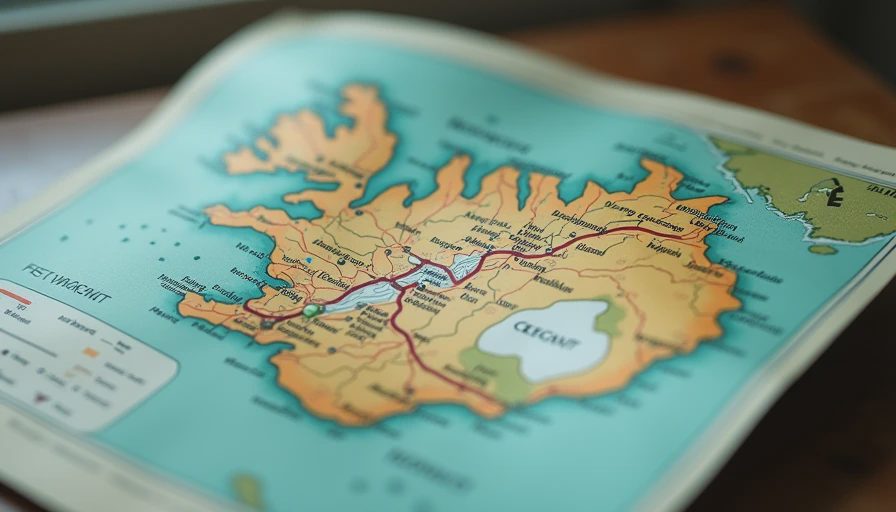
For a first trip, a two- or three-night South Coast loop is more realistic than trying to circle the entire island in a long weekend. Driving fewer miles often creates a better trip. You see more because you are not spending every daylight hour behind the wheel.
Add geothermal water and a slower day
Hot springs belong high on any list of things to do in iceland, but the choice depends on your route and tolerance for crowds. The Blue Lagoon is convenient for travelers near the airport or Reykjavik, while other geothermal pools and public swimming pools offer a more local, less destination-focused experience. Sky Lagoon is another accessible option near the capital. Reserve popular facilities ahead of time during busy travel periods.
A useful road-trip rhythm is one major attraction, one outdoor stop, and one recovery block each day. That recovery block might be a hot soak, a quiet meal, or an early night. Iceland’s wind and cool air can be tiring even when the mileage looks modest. I have made the classic mistake of treating a scenic trip like a work schedule. By the third day, every stop becomes a parking-lot decision and nobody wants to get out of the vehicle.
Pack a swimsuit, quick-drying layers, and a small waterproof bag. Keep phones and vehicle keys protected near changing areas. These are minor details, but minor details are what keep a good day from becoming a wet, expensive scramble.
Decide whether the Highlands fit your trip
The Highlands are where things to do in iceland become a route-planning problem rather than a sightseeing checklist. F-roads are seasonal mountain roads, and some include unbridged river crossings. Conditions can change quickly. Many rental agreements prohibit driving on F-roads unless the vehicle is specifically approved, and standard two-wheel-drive rentals are not appropriate for those routes.
Do not assume four-wheel drive makes every crossing safe. Water depth, current, recent rain, entry and exit angles, and the vehicle’s air intake all matter. A larger SUV can still be the wrong tool if the driver lacks experience or the route is deteriorating. Check official road information before departure, follow closures, and ask the rental company exactly where the vehicle may legally travel. Road.is and SafeTravel.is are useful planning resources, but no website replaces a current judgment call.
If you want a remote interior experience without committing to a difficult self-drive route, use a guided excursion or choose an established day trip. That can cost more than driving yourself, but the price includes local route knowledge and less mechanical risk. A broken rental vehicle in a remote valley is not an adventure story until the invoice arrives.
Build a vehicle plan that matches the roads
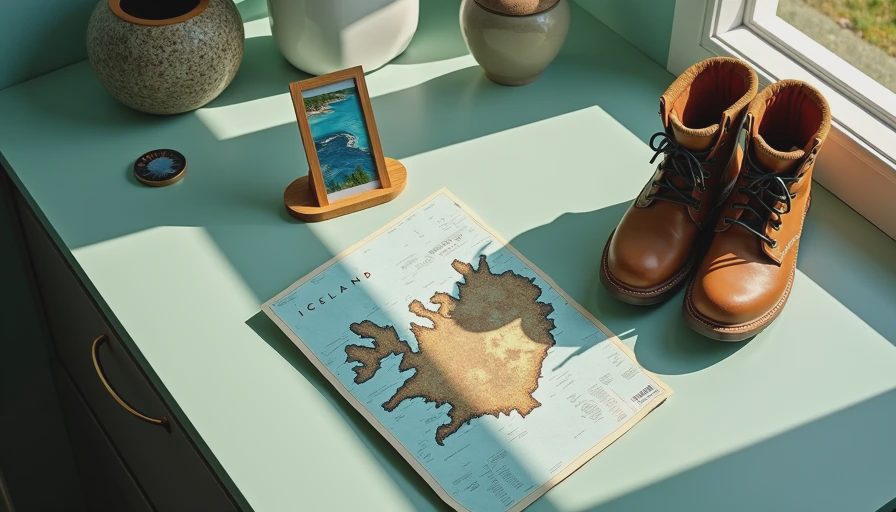
Most things to do in iceland are reached on paved or well-maintained gravel roads, so a heavy off-road build is unnecessary. Focus instead on a suitable rental class, good tires, working lights, and enough space for clothing and food. Before leaving the lot, photograph existing damage, confirm the spare tire or repair kit, and learn how to call roadside assistance.
Rental coverage deserves a careful read. Collision damage waivers, liability coverage, gravel protection, and sand-and-ash protection can be separate products or terms in the rental contract. Wind can throw gravel into body panels, especially on exposed roads. Ask what the deductible is, what exclusions apply, and whether damage to tires, wheels, glass, or the underside is treated differently. The cheapest headline rate is not always the cheapest trip.
Carry layers rather than one giant coat. A waterproof shell, warm midlayer, gloves, hat, sturdy shoes, and spare socks handle more situations than cotton clothing. Keep water, snacks, a power bank, and a paper backup of key reservations in the vehicle. Fuel stations are not evenly spaced everywhere, so refill when the tank is comfortably below full rather than waiting for the warning light.
Use weather and daylight as route equipment
Weather is one of the most important things to do in iceland before you leave the hotel. Check wind, precipitation, visibility, and road conditions each morning. A forecast that looks harmless in Reykjavik can be very different along the coast or near a mountain pass. Strong crosswinds are especially serious for tall rental SUVs and vans.
Daylight changes dramatically by season. Summer offers long evenings and more flexibility, while winter brings short daylight hours, icy surfaces, and a greater chance of cancellations. Northern lights tours are best treated as an evening bonus, not a guaranteed appointment. Keep the next morning flexible if you are staying out late, and never stop in an unsafe location just because the sky turns green.
When conditions worsen, turn around early. That is not missing the experience; it is protecting the rest of the trip. The trail finds the weak point, and in Iceland the weak point may be a tire, a tired driver, or a schedule that left no margin.
A practical itinerary for first-time visitors
For three days, base yourself near Reykjavik, explore the Golden Circle, and spend one full day along the South Coast. For five to seven days, continue toward the glacier region, but keep the itinerary flexible enough to absorb weather delays. A full Ring Road trip is better with at least a week and preferably more, especially if you want hikes and photography rather than windshield views.
The most useful things to do in iceland are a balance of famous stops and unplanned pauses. Watch a waterfall from a safe trail, walk a short section of coastline, soak after a windy day, and leave before fatigue makes the drive careless. Book lodging with realistic arrival times, keep an emergency buffer, and let road conditions overrule the spreadsheet.
Iceland is not difficult because every road is extreme. It is difficult because conditions, distance, and weather can change faster than a polished itinerary allows. Plan for the road you actually have, not the one pictured in a brochure, and the country will give you a trip that feels earned rather than rushed.


No comments yet — be the first to share a thought.