I met a guy named Kevin at a trailhead in Colorado. He had a beautiful truck. Immaculate. Spotless. The kind of truck that belongs on a magazine cover.
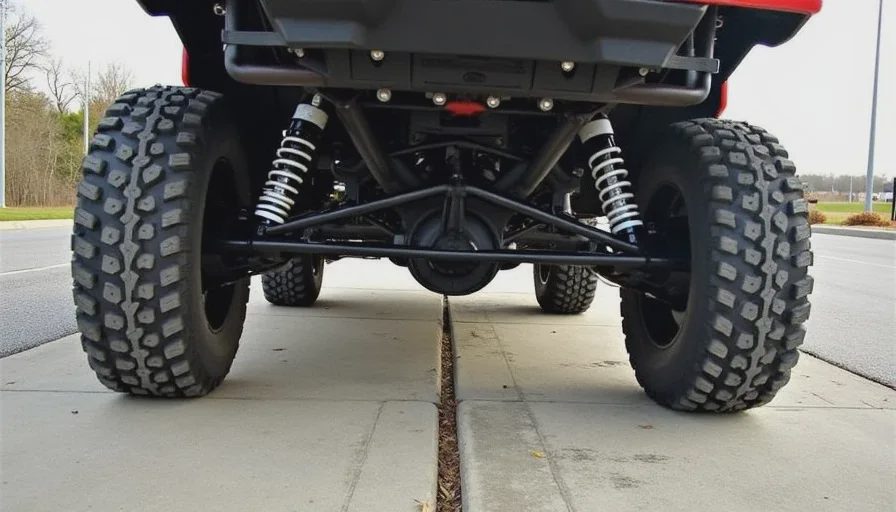
It had a six-inch lift. Massive shocks with remote reservoirs. Control arms that looked like they belonged on a trophy truck. It was a work of art. It was also completely wrong for what he was doing.
"What are you running?" I asked.
"Full custom setup," he said, proudly. "Fully adjustable. 14 inches of travel."
"Where are you headed?"
"Oh, just a forest road. Easy stuff. My girlfriend's first time."
He had 14 inches of travel for a forest road. He had a suspension setup that was designed for high-speed desert racing. He was going to a place where he'd never use more than four inches of travel. And his girlfriend was probably going to be bounced around the cabin like a ping-pong ball.
He'd bought the suspension for the photos, not the travel. And he wasn't alone.
The Suspension Trap
Suspension is the easiest place to spend money you don't need to spend. It's visible. It's impressive. It's easy to photograph. A truck with a big lift and shiny shocks looks like it means business. It looks ready for anything.
But looking ready and being ready are different things.
Most suspension upgrades are designed for conditions that most people don't drive in. The massive lift that ruins your center of gravity. The stiff shocks that bounce your fillings out on a washboard road. The adjustable coils that you'll never actually adjust.
You're not a race truck. You're not a rock crawler. You're a traveler. You're covering distance. You're carrying your life on a dirt road that connects one beautiful place to another. And what you need from a suspension is different from what wins Instagram likes.
The real question isn't, "How much lift can I get?" It's, "How will this suspension feel on a thousand miles of forest road?"
What Travel Actually Demands
When you're traveling, not posing, your suspension has a simple job. It keeps you comfortable. It keeps you safe. It keeps your vehicle stable. And it does this over miles and miles of varied terrain.
Travel demands:
Comfort. You're spending hours in the driver's seat. If the ride is harsh, you'll arrive at camp tired and cranky. If it's smooth, you'll arrive ready to enjoy the evening.
Stability. When you're loaded down with gear, you need a suspension that keeps the vehicle planted. Not tippy. Not swaying. Just stable and predictable.
Durability. You're covering miles. Lots of them. The suspension needs to survive washboards, potholes, and corrugations without wearing out or breaking.
Predictability. When you hit a bump, you want the vehicle to respond in a predictable way. Not bounce you sideways. Not bottom out. Just absorb the bump and keep going.
Load carrying. You're carrying gear. Maybe a lot of it. The suspension needs to handle that weight without sagging or changing the ride quality.
The Upgrades That Actually Matter
Here's what makes a difference for travel. Not for photos. For the road.
1. Dampers That Are Tuned for Load
Shocks are the most important part of your suspension for travel. They control how the vehicle moves. They absorb the bumps. They keep the tires planted.
But not all shocks are created equal.
What works for travel:
Shocks tuned for a loaded vehicle. The factory shocks are tuned for an empty truck. When you add weight, they're overwhelmed. The ride gets bouncy, harsh, and uncomfortable. A shock tuned for load fixes that.
Shocks with good heat dissipation. If you're covering miles of washboard, the shocks are working hard. They generate heat. Heat degrades the oil. Degraded oil means degraded performance. A shock with a larger body or remote reservoir can handle the heat better.
Shocks that are appropriately valved. Valving is a tradeoff. Firm valving gives better control on pavement but rides harsh off-road. Soft valving gives comfort but can feel wallowy at speed. For travel, you want a compromise—one that absorbs the bumps but keeps the vehicle stable.
What doesn't work for travel:
Shocks that are too stiff. They'll beat you up on the road. You'll feel every bump. You'll arrive tired. And they might break the mounts.
Shocks that are too soft. They'll wallow, sway, and feel unsafe at speed. You'll bounce more than you roll.
Shocks with no heat dissipation. They'll fade on long dirt roads. Fade means less control. Less control is less safety.
What I run: Quality shocks with a reservoir. Not for the look. For the heat dissipation. And for the adjustability to handle the load I'm carrying.
2. Springs That Support the Load
Springs hold up the vehicle. They carry the weight. And when you add weight to a vehicle, the factory springs can't handle it. They sag. The ride gets harsh. The suspension bottoms out.
What works for travel:
Progressive-rate coils. They give a soft ride when unloaded and firm up as the suspension compresses. You get comfort and load-carrying.
Heavy-duty coils. If you know you're always carrying weight, heavy-duty coils are a good choice. They keep the vehicle level and the ride consistent.
Air springs or air bags. These are a great option for travelers. You can adjust the pressure based on your load. You get the right ride height and comfort regardless of what you're carrying.
What doesn't work:
Lift springs that are too stiff. They'll ride like a wagon. Uncomfortable and jarring.
Springs that don't match the shocks. If you have stiff springs and soft shocks, the vehicle will bounce. If you have soft springs and stiff shocks, the vehicle will crash.
What I run: Heavy-duty progressive-rate coils. They handle the load and give a comfortable ride.
3. Bump Stops That Actually Stop
Bump stops are your suspension's last line of defense. They stop the suspension from bottoming out. And when you're carrying weight on a rough road, they do a lot of work.
What works for travel:
Extended bump stops. If you've lifted the vehicle, you need extended bump stops to prevent the suspension from going too far.
Progressive bump stops. These are foam or urethane. They absorb the impact gradually, rather than a harsh stop.
Bump stops that are aligned with the contact point. If the bump stop doesn't hit the right spot, it's not doing its job. Check your alignment.
What doesn't work:
Factory bump stops that are too short. They'll allow the suspension to bottom out hard.
Bump stops that are too hard. They'll transfer the impact into the chassis. You'll feel it. So will your vehicle.
What I run: Progressive urethane bump stops. They take the edge off the hardest hits.
4. Sway Bars That Balance Control
Sway bars reduce body roll. They keep the vehicle flat in corners. For travel, they're a good thing. But not all sway bars are created equal.
What works for travel:
Heavy-duty sway bars. They reduce body roll on pavement and off-road.
Disconnectable sway bars. If you're on rough terrain and need more articulation, you can disconnect them. But for travel, you probably don't need that.
What doesn't work:
Removing the sway bars completely. You'll get more body roll. The vehicle will feel less stable. Not a great tradeoff for travel.
What I run: Upgraded sway bars with bushing that don't squeak. The factory sway bars work fine. I replace bushings when they wear out. That keeps the ride quiet.
5. Correct Geometry
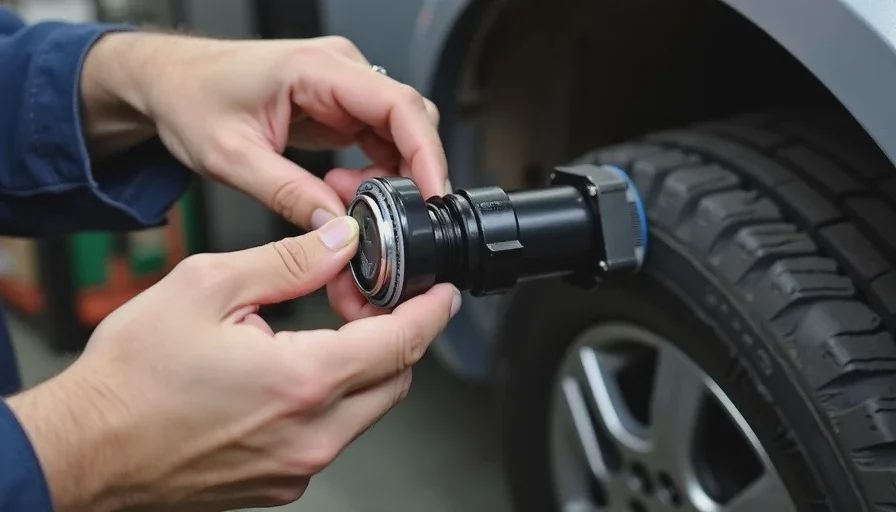
If you lift the vehicle, you change the suspension geometry. The control arms are at a different angle. The steering is affected. The vehicle handles differently.
What works for travel:
Adjustable control arms. They allow you to correct the geometry and maintain proper alignment.
Drop brackets. They relocate the mounting points to keep the geometry within spec.
Proper alignment. This is the most important thing. If the alignment is off, the vehicle will wear tires, wander, and be less stable.
What doesn't work:
Lifting without adjusting the geometry. The vehicle will handle poorly. It'll wear tires. It'll feel unsafe.
What I run: Control arms with adjustable bushings to correct the geometry after a modest lift. The alignment is checked by a good shop. That's the key.
6. Proper Load Distribution
This isn't a suspension part. It's a suspension practice. But it matters.
What works for travel:
Distribute weight evenly. Heavy items low. Heavy items centered. This keeps the vehicle stable and the suspension balanced.
Use all your cargo space. Don't put all the weight at the back. Put some in the front. Some in the middle.
Know your payload. Don't exceed it. Exceeding it overloads the suspension and makes the ride terrible.
What Not to Waste Money On
Let's be honest about what doesn't make sense for travel.
Massive lifts. A 6-inch lift looks impressive. It also raises your center of gravity, makes the vehicle more tippy, and puts extra strain on the suspension. For travel, a 1.5- to 2.5-inch lift is plenty. It gives you clearance and looks decent without compromising stability.
Remote reservoir shocks. They look cool. They're expensive. And for most travelers, they're unnecessary. The heat dissipation is nice. The adjustability is nice. But if you're not driving at race speeds, you don't need them. Good quality monotube shocks will do the job.
Bypass shocks. These are for racing. They have tunable zones. They're expensive. They're unnecessary for travel.
Dual shocks. Two shocks per corner. Looks serious. It's also excessive and adds unsprung weight. Travel doesn't demand that much damping. Save your money.
Solid axle conversions. If you have independent front suspension, you probably don't need a solid axle. It's a massive project, it's expensive, and it changes the geometry. Unless you're doing hardcore crawling, stick with what you have.
Adjustable coilovers. They're expensive. They're heavy. And most people never adjust them. Travel doesn't need adjustability. It needs consistency. A good quality monotube shock with the right valving will do the job without the price tag.
The Right Way to Choose
Here's how I choose suspension upgrades.
Step 1: Know Your Load
What are you carrying? How much weight? How is it distributed? The answers determine what springs and shocks you need.
Step 2: Know Your Terrain
Where are you going? Dirt roads? Forest trails? Deserts? Mountains? The answers determine what damping you need.
Step 3: Know Your Budget
Suspension upgrades are expensive. Be realistic about what you can afford. Quality matters, but you don't need to overspend. A good compromise is a mid-range monotube shock with heavy-duty springs.
Step 4: Prioritize Comfort
Travel is about being comfortable. The right suspension upgrade improves comfort. It smooths out the rough spots. It makes the miles easier.
Step 5: Don't Overcomplicate
Simple is better. A quality monotube shock and a good spring. That's the core of a great travel suspension. Adjustable control arms, alignments, and correct bump stops are sensible additions. You don't need a complicated setup. You need a reliable one.
A Story
I have a friend who spent $5,000 on a suspension setup for his overland truck. Remote reservoir shocks. Adjustable coilovers. Full control arms. It was impressive. It was also uncomfortable. The suspension was too stiff for his load. He bounced and crashed his way through the forest. It wasn't fun. He was miserable. He was stressed. He was tired.
A year later, he replaced it with a simpler setup. Same brand. Same quality. But softer springs and different valving. He spent half as much. The ride was comfortable. He enjoyed his trips again. He wondered why he'd spent so much the first time.
The first setup was for photos. The second setup was for travel.
No comments yet — be the first to share a thought.