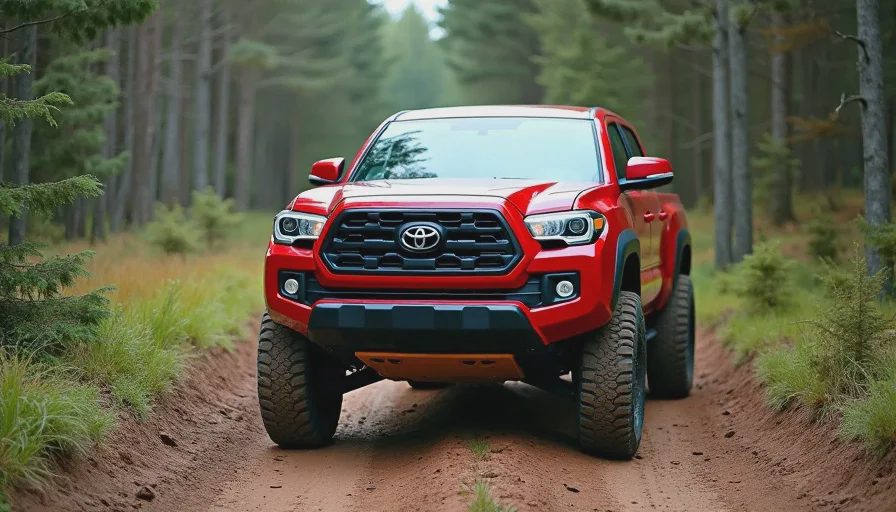
Let me tell you about a guy named Dan.
Dan came into the shop with a brand-new Tacoma. Looked beautiful. Had a three-inch lift, big aggressive tires, a roof rack, a ladder, a shovel mounted to the hood, and rock sliders that had never touched anything harder than a parking curb. He had a binder full of receipts that would choke a horse.
He was proud. He should have been—he'd spent a lot of money.
Six weeks later, he called me from a forest road outside Sedona. The truck was overheated. The suspension was bottoming out on every dip. The tires were rubbing so badly he'd already lost one fender liner. He was forty miles from pavement, his kids were in the back seat, and his impressive build was dead in the dirt.
Looks ready and is ready are different things.
Dan's truck looked incredible. It just wasn't reliable. And reliability is the only thing that matters when the pavement ends.
The Real Definition of Trail-Ready
Before we get into specifics, let's get honest about something. Trail-ready doesn't mean "Instagram-ready." It doesn't mean "looks like an expedition vehicle." And it definitely doesn't mean "has the most expensive parts catalog."
Trail-ready means this:
Your vehicle can get you to your destination and back home without a catastrophic failure, given the terrain and conditions you've planned for.
That's it. It's boring. It's unsexy. But it's the truth.
Most people confuse capability with reliability. A truck with forty inches of suspension travel and beadlock wheels is capable—very capable. But if the steering rack wasn't upgraded to handle those massive tires, that truck isn't reliable. Capable and reliable are cousins, not twins. They're related, but they're not the same thing.
The Seven Pillars of Trail Reliability
Here's what actually matters. Not shiny things. Not impressive numbers. Not brand names.
1. Load Management That Matches Your Actual Use
Weight is the silent killer of trail vehicles. It's not a single problem—it's a chain reaction. Every extra pound pushes your springs closer to the bump stops, taxes your brakes, heats up your transmission, and makes your tires work harder.
Most overlanding builds are overweight before they ever leave the driveway. Rooftop tents, awnings, recovery gear, spare parts, water, fuel, food, tools, camp chairs, camp tables, a second spare tire—it adds up fast. A Tacoma with a 1,200-pound payload can be over its Gross Vehicle Weight Rating before you put a passenger in the front seat.
What matters: Know your payload. Know your Gross Vehicle Weight Rating. Weigh your vehicle loaded for a trip. Then subtract.
A reliable build carries what it needs for the route and nothing more. It treats weight like an enemy, not an afterthought.
What I recommend:
Get your fully loaded weight at a truck scale
Move heavy items low and centered
Remove every single thing you didn't use on your last three trips
Consider a weight distribution hitch if your trailer is substantial
Accept that some gear stays in the garage
2. Cooling That Works Under Real Load
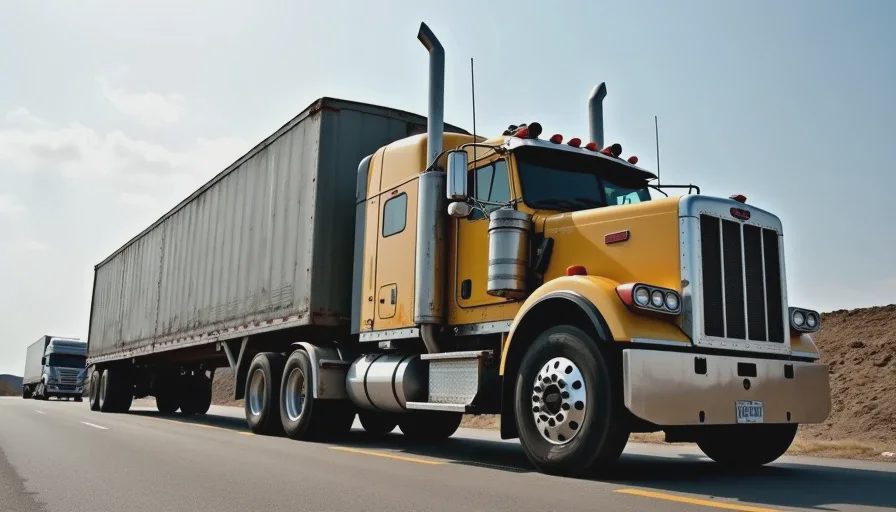
Heat is the second silent killer. Overlanding isn't highway driving—it's slow, high-load, low-speed work. The transmission is working hard. The engine is working hard. And airflow is often worse than bumper-to-bumper traffic on a summer afternoon.
Most factory cooling systems are designed for highway speeds. They're adequate for on-road use. Off-road, under load, in heat—they run hot. And hot transmissions die. Hot engines die. Hot diffs eat bearings.
What matters: Your cooling system needs to handle the slow stuff, the loaded stuff, and the steep stuff.
What I recommend:
Check your coolant condition and flush if it's been more than two years
Consider an external transmission cooler for any vehicle that sees regular trail use
Watch your transmission temperature if you have a gauge
Don't block your grille with lights or winch setups that restrict airflow
Know your auxiliary fan works on command
Respect heat management on long climbs
3. Tires That Are Right for the Terrain, Not the Look
This is where people go wild. They see a cool photo of a Rubicon on 37s. They think they need 37s. They don't. They probably don't even need 35s.
Big tires are impressive. They're also heavy, expensive, and hard on components. Steering racks, ball joints, tie rods, wheel bearings—everything downstream of those tires works harder.
A reliable build has the smallest tire that does the job. Not the biggest tire that looks cool. For many trails out West, a good 32-inch or 33-inch tire with proper load range and sidewall protection will get you everywhere a 35 will get you, and it'll do it with less stress on the rest of the vehicle.
What matters: Sidewall strength, tread pattern matched to your terrain, and load rating that supports your actual vehicle weight. This is your single most important component for both capability and safety.
What I recommend:
SL or C load range for most lighter trucks
E load range for heavy rigs—but be honest about heavy
ATs for mixed use, MTs for mud and rocks exclusively, and HTs for highway and dirt roads only
33 inches as a realistic sweet spot for a midsize truck or SUV
Carry a proper full-size spare that matches your tire size
Know your sidewall ply and treat it like gold
4. Suspension That Balances Load, Ride, and Clearance
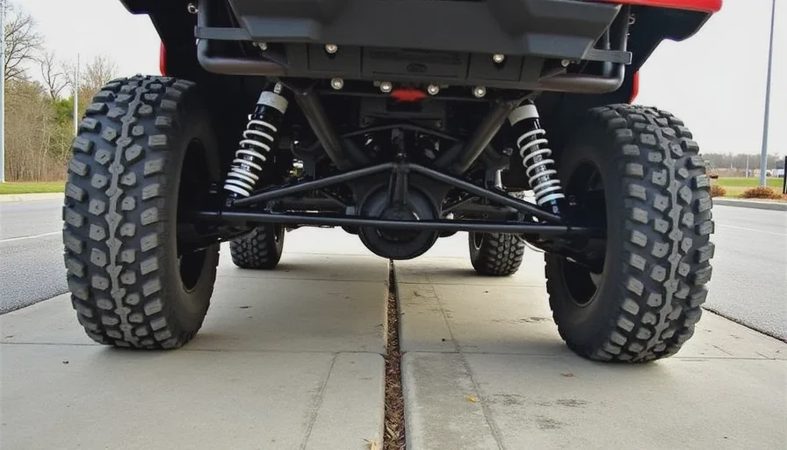
Lift kits are the number one upgrade people buy. They're also the number one upgrade people install poorly.
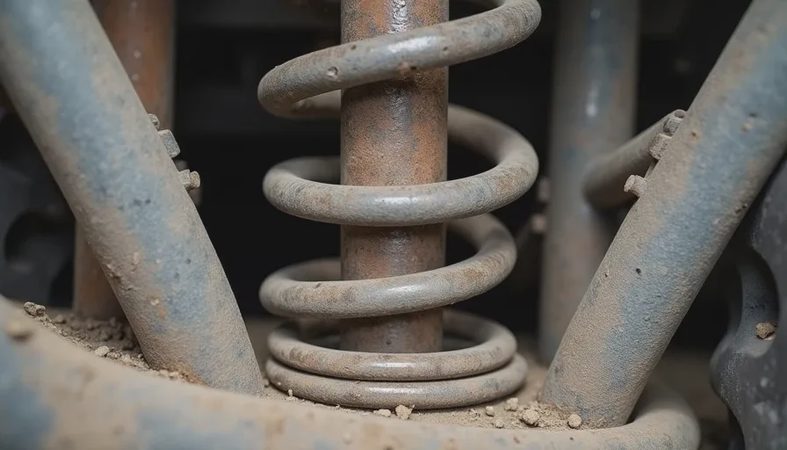
I've seen 3-inch lifts that gave the truck exactly 1.5 inches of real clearance because the springs were sagging under the weight of bumpers and rooftop tents. I've seen control arms that had a full degree of negative camber because nobody re-indexed them. I've seen shocks fade out after twenty miles of washboard because they were valved for pavement.
What matters: Your suspension needs to carry your load, control your ride, and give you enough clearance. It doesn't need to look like a trophy truck.
Reliability isn't about how high your truck sits in a parking lot. It's about whether the suspension still works at mile eighty of a forest road. Properly matched coils, carefully chosen shocks, and modest lift heights are the prescription. High lift with bad geometry equals compromised tie rods and torn CV axles.
What I recommend:
A modest 1.5 to 2.5-inch lift that keeps CV angles reasonable
Heavy-duty coils in the rear if you carry weight
Shocks that are tuned for loaded trail use, not unloaded pavement
Extended brake lines if you're lifting beyond 2 inches
Aftermarket upper control arms if you need alignment correction
5. Lighting That Lets You See, Not Pose
Ditch lights. Rock lights. Light bars. Light pods. Chase lights. Cubes. Pods. Bars. The market has gone insane.
Most of it is unnecessary. Some of it is actively dangerous—poorly aimed light bars blind oncoming drivers and scatter light where you don't need it. The rest just looks expensive.
What matters: You need to see the trail ahead of you at night. That's it. You don't need to illuminate a football field. You need to be able to spot the rock that's going to rip your oil pan open.
What I recommend:
One quality set of driving lights for high-speed dirt roads
A light bar if you're doing serious night running in remote terrain
Proper aim and alignment—unaimed lights are less than useless
Fog lights for slow, dusty conditions
A decent headlamp—the best light is the one you can aim with your head
6. Recovery Gear You Know How to Use
I've pulled more people out of ditches who had a winch but didn't know how to use it than I can count. I've seen recovery boards used as leveling blocks. I've watched someone snap a kinetic rope because they didn't know the difference between dynamic and static recovery.
Having recovery gear isn't reliability. Being able to use it effectively, safely, and quickly is reliability.
What matters: A well-stocked recovery bag and the knowledge to use everything in it. Two hundred dollars of training is worth more than two thousand dollars of gear you don't understand.
What I recommend:
A kinetic recovery rope rated for your vehicle weight
Two soft shackles (minimum)
A folding shovel
Recovery boards appropriate for your terrain
Gloves that cover your hands and protect your skin
Practice—find a friend and a safe spot and use your gear
Knowledge of where your recovery points are and what they're rated for
7. Maintenance That's Actually Done
This one sounds basic. It's not basic. Most failures I see on the trail are maintenance failures. Old coolant. Dirty transmission fluid. Worn brakes. Neglected wheel bearings. A belt that was due for replacement three thousand miles ago.
What matters: The best suspension and tires in the world won't matter if the engine overheats or the transmission quits. There's no substitute for fluid condition, bearing condition, and component condition.
What I recommend:
A maintenance log that actually gets used
Fluid changes at manufacturer intervals or sooner for heavy use
A pre-trip inspection routine that covers the basics—fluids, belts, hoses, brakes, wheel bearings
A post-trip inspection that catches the small issues before they become big ones
Learn to identify warning signs: odd vibrations, unusual smells, fluid leaks, weird noises
What Impressive Looks Like Versus What Reliable Looks Like
Let's be honest about what impresses people. Large tires. Loud exhausts. Complicated suspension. Expensive brand names on the side of the vehicle. Roof racks that look like they could carry a small building. Light bars that fill the grille.
These things get attention. They get likes. They get comments. What they don't get is a pass on the trail when something breaks.
Reliability is boring. It's checking the transmission fluid before a trip. It's carrying a spare belt. It's knowing the route and terrain before you drive it. It's keeping weight low and centered. It's honest about the limits of the vehicle and the driver.
The trail doesn't care about your build sheet. The trail cares about whether your vehicle is ready.
The Day-Dan Truck
Dan learned this the hard way. His Tacoma overheated, bottomed out, rubbed the tires through the fender liner, and—to top it off—the winch he'd spent $1,500 on wouldn't spool out because he'd never used it. He was stuck, embarrassed, and wondering why his expensive build had failed.
We got him recovered, but it took six hours. Six hours his family sat in the heat. Six hours he spent wishing he'd taken a different approach.
He sold that truck six months later and started over with a simpler build. Smaller tires. No lift. A quality suspension kit, a modest rack system, and a better understanding of what his vehicle could and couldn't do. He made the right call. He started listening to his rig instead of the marketing.
What Actually Matters: The Essentials Checklist
If I were starting from scratch today with a midsize truck or SUV, here's what I'd prioritize before I spent a dollar on "impressive" stuff:
Priority | Item | Why |
|---|---|---|
1 | Quality tires in the right size for your terrain | Best return on investment for capability and safety |
2 | Full maintenance baseline—fluids, filters, belts, hoses | Prevents the most common field failures |
3 | A properly sized suspension that carries your load | Keeps you comfortable, capable, and safe |
4 | Basic recovery gear you know how to use | Saves your trip and your vehicle when things go sideways |
5 | Smart loading and weight distribution | Prevents overloading and controls heat |
6 | Adequate cooling for your use case | Keeps your mechanicals alive |
7 | Only then—things like auxiliary lighting, winches, rooftop tents | Real additions when you've got the basics handled |
No comments yet — be the first to share a thought.