A shakedry jacket looks almost too light to trust. It feels more like a wind shell than serious rain gear, which is exactly why overlanders keep asking whether it belongs in a truck, hiking pack, or recovery bag. After enough trips through high-country storms and desert weather that changed its mind by the hour, I have a simple answer: the shakedry jacket is excellent at blocking rain while you keep moving, but it is not a universal backcountry coat.
That distinction matters. A shell can keep water off your shoulders and still be the wrong tool for brush, rock, camp chores, or a shoulder strap loaded with recovery equipment. Looks ready and is ready are different things. The trail finds the weak point.
What makes a shakedry jacket different
The defining feature is a waterproof-breathable membrane placed on the outside of the garment rather than protected by a separate face fabric. That construction eliminates the usual outer textile, reduces weight, and gives the jacket a slick, technical feel. In steady rain, water tends to bead and run away instead of soaking into the shell fabric.
That design also explains the appeal. A typical lightweight rain jacket might weigh roughly 10 to 16 ounces, while a shakedry jacket can come in below that range depending on size and features. Packed beside a map, headlamp, and first-aid kit, it nearly disappears. For fast-moving hikes, motorcycle travel, and remote-road scouting, saving several ounces is useful rather than theoretical.
The tradeoff is protection. The exposed membrane is not meant to take repeated abuse from thorny brush, sharp sandstone, or a heavy pack rubbing the same shoulder for hours. Gore-Tex ShakeDry products have also become less common and harder to find in some retail channels, so inspect an older jacket carefully before paying a premium. Age, storage, and previous use matter more than a clean product photo.

Where it earns a place on a trail trip
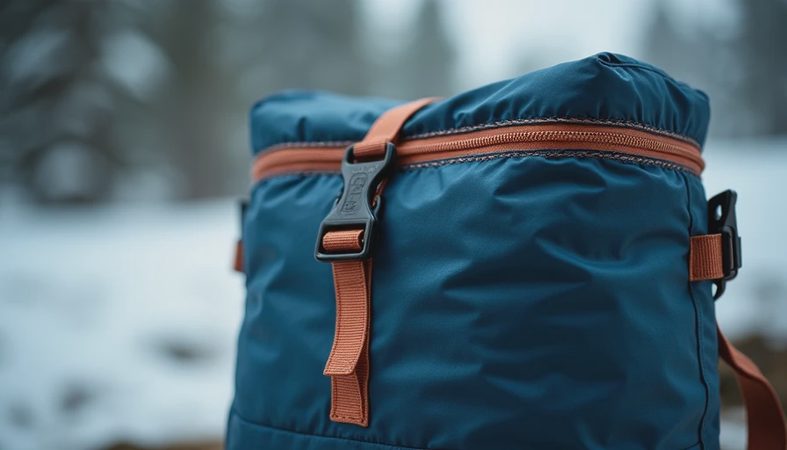
A shakedry jacket makes the most sense when rain is likely, movement is constant, and pack weight matters. Think of a forest-road survey on foot, a long day connecting camps, or a high-elevation route where a storm can arrive before you reach the next overlook. It works especially well as an emergency layer stored in a small dry bag.
The jacket is also useful for drivers who get out frequently to open gates, check a wash crossing, or inspect a questionable section of road. It packs smaller than many traditional shells and comes on quickly over a fleece or light puffy. In that role, it is more capable than a disposable poncho and less bulky than a heavy three-layer work shell.
Breathability is not magic, however. If you are climbing a steep trail with a loaded pack, you can still sweat inside it. Open pit zips if the design has them, manage your pace, and avoid wearing a cotton layer underneath. A synthetic or merino base layer gives moisture somewhere useful to go.
Where this rain shell falls short
Do not choose a shakedry jacket for crawling through dense vegetation or leaning against rough rock. I have watched lightweight shells lose their usefulness after one careless day around juniper and exposed cargo. A small puncture can turn a waterproof layer into an expensive windbreaker, and field repairs are limited compared with fixing a conventional woven shell.
The same warning applies to truck use. A shoulder belt, rifle sling, tool bag, or recovery strap can create concentrated abrasion. If you spend the day winching, dragging firewood, or working beneath a vehicle, wear a tougher shell or an old work jacket over the delicate layer. Rain protection is not the same as job-site durability.
A shakedry jacket can also feel chilly when stopped. The thin construction blocks wind and rain but provides almost no insulation. In shoulder-season weather, carry a fleece or lightweight synthetic puffy underneath. The jacket should be treated as the weather barrier, not the entire clothing system.
How I would inspect one before buying
Start with the membrane and seam tape. Hold the jacket under bright light and look for lifting tape, cracks, pinholes, or glossy areas that suggest wear. Run your fingers around the cuffs, hood adjustment, hem, and pocket openings. Those zones receive more use than the broad back panel.
Next, check the zipper. A waterproof zipper that catches, separates, or shows damaged coating is not a minor cosmetic problem. Replacement work can cost enough to erase the bargain. Ask how the jacket was stored; compressed storage beside fuel cans, tools, or damp clothing is a warning sign.
Finally, evaluate fit with the layers you actually carry. Put on a fleece, raise both arms, and reach toward an imaginary steering wheel. The hem should not ride halfway up your back, and the cuffs should cover the wrist when you extend your hands. A jacket that fits perfectly over a T-shirt may fail once cold-weather layers enter the picture.

Comparing it with tougher alternatives
A conventional three-layer rain shell is usually heavier, but it offers a stronger face fabric and better long-term tolerance for pack straps and rough travel. Brands such as Patagonia, Outdoor Research, Arc'teryx, and Black Diamond sell shells across different durability levels, so compare fabric denier, hood design, pocket placement, and warranty support rather than brand reputation alone.
A shakedry jacket wins on low weight and compact storage. A traditional shell wins when the trip includes brush, scrambling, mechanical work, or frequent contact with equipment. For a family weekend on maintained forest roads, the traditional option is often easier to share and less stressful to use. For a solo hiker counting every ounce, the ultralight shell can be the smarter tool.
There is also the simple poncho. It ventilates well and covers a pack, but it flaps in wind and can snag around doors, branches, and recovery gear. That is a garage decision with trail consequences. Pick the layer that matches how you move, not how dramatic it looks in a product listing.
My practical setup for wet-weather travel
I would pack the shakedry jacket in a labeled waterproof pouch near the driver's seat, not buried beneath a cooler and recovery boards. Add a thin fleece, spare gloves, and a compact cap. That combination handles rain stops, cold overlooks, and short vehicle inspections without pretending to replace a full winter system.
For trips involving brush or wrenching, I would bring a more durable shell instead, even if it weighs an extra eight or ten ounces. That small weight penalty is cheaper than losing rain protection halfway through a route. Carry tenacious tape for emergency repairs, but understand that tape is a get-home measure, not a restoration.
The best use of a shakedry jacket is specific: moving through wet weather while protecting weight savings and keeping your core dry. It is not the jacket I would wear while dragging a winch line, squeezing between boulders, or loading firewood. Buy it when its strengths match your route, and leave it home when abrasion is the main weather forecast.

No comments yet — be the first to share a thought.