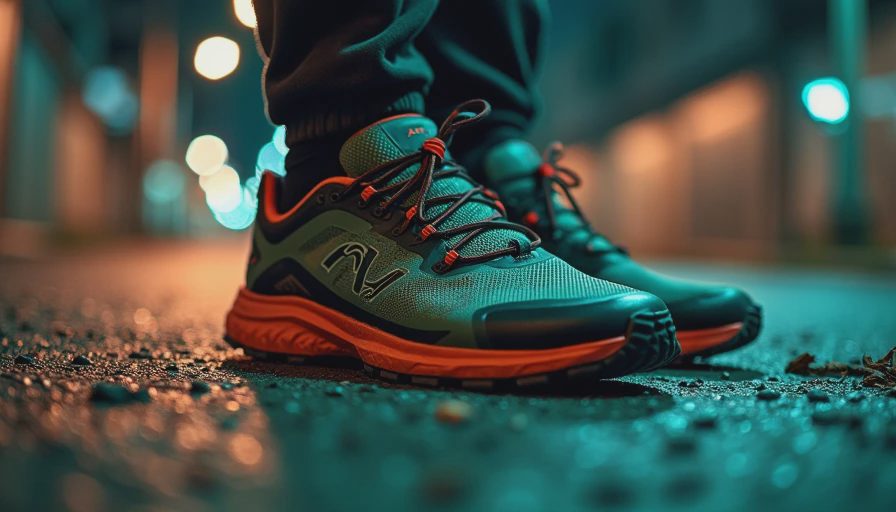
The challenger atr hoka one one sits in an interesting part of the trail shoe world. It is not a stripped-down mountain racer, and it is not merely a road shoe with decorative lugs. The design aims at runners and hikers who spend time on pavement, gravel roads, hardpack, and ordinary forest trails. That sounds versatile because it is, but versatility always charges a tax somewhere. The question is whether the compromise fits your routes, mileage, and feet.
I approach trail footwear the same way I approach a vehicle build: ignore the catalog language and look at the weak point. A shoe can feel excellent in a parking lot and become a liability when wet roots, loose rock, or a long descent expose its limits. The challenger atr hoka one one is appealing because it delivers substantial cushioning without feeling like a clumsy hiking boot. For weekend trail users, that is a useful starting point.
What this shoe is built to do
The Challenger ATR line is designed as an all-terrain road-to-trail shoe. Its tall, cushioned platform favors comfort over ground feel, while the outsole uses moderate lugs intended for mixed surfaces. You can run a few miles on asphalt, turn onto a gravel access road, and continue onto a maintained dirt trail without immediately wishing you had brought a second pair.
That mixed-terrain role matters for people who live near trailheads or use long approach roads. I have watched runners bring aggressive shoes to smooth desert paths and then complain that every step on pavement feels harsh. The challenger atr hoka one one takes the opposite approach. It makes the transition from neighborhood sidewalks to trailhead routes less annoying, especially when a route includes several miles of hard surface before the dirt gets interesting.
The upper generally feels more like a performance trainer than a traditional boot. That keeps the shoe relatively easy to wear for long outings, but it also means you should not confuse it with a protective off-road shoe. There is cushioning and some structure, not armor.

Cushioning, fit, and long-mile comfort
The strongest argument for the challenger atr hoka one one is comfort over distance. The generous midsole helps reduce the blunt impact that builds during a two-hour run or a full day walking between trail sections. That can be especially valuable for heavier runners, older knees, or anyone returning to dirt after too much time on pavement.
The tradeoff is reduced trail feedback. You will feel major changes in terrain, but smaller rocks and subtle edges are softened. Some runners love that insulation; others want the ground to communicate every mistake immediately. Neither preference is wrong. It depends on whether your priority is relaxed mileage or precise foot placement.
Fit deserves attention before ordering. Hoka shoes often have a distinctive shape, with a secure heel and a roomy-feeling forefoot in some versions. Do not assume the same size will work simply because another Hoka model fits. Wear the socks you use on trail, and leave enough room in front of the toes for downhill movement. A shoe that feels perfect on level ground can become a toenail problem after five miles of descent.
Grip on dirt, rock, and wet ground
On dry hardpack, gravel, packed forest roads, and moderate singletrack, the challenger atr hoka one one has the kind of traction most recreational runners actually need. The lugs can find purchase without making the shoe awkward on concrete. That is the useful middle ground.
The limits appear as terrain becomes loose, steep, or wet. Moderate lugs do not bite like a technical shoe with deeper rubber geometry. On damp roots, greasy clay, or rounded rock, you need better foot placement and a slower pace. The outsole is not a replacement for judgment. The trail finds the weak point, and on this shoe that point is usually aggressive traction rather than cushioning.
For desert routes around Flagstaff, dry canyon approaches, and maintained mountain trails, I would consider the grip appropriate. For muddy shoulder-season routes in the Pacific Northwest or steep talus where edging matters, I would choose a more technical shoe. Looks ready and is ready are different things.
Stability and protection when the route gets rough
The challenger atr hoka one one can handle uneven ground, but its tall cushioning changes how the foot interacts with the trail. On a smooth path, that height feels comfortable and efficient. On side slopes, loose scree, or repeated off-camber steps, it can feel less planted than a lower, firmer shoe.
That does not make it unstable for everyone. A runner with strong ankles and a steady gait may have no issue. A new trail runner carrying a daypack might prefer something with a firmer platform and more structured upper. Pack weight matters here. Ten pounds of water, layers, snacks, and camera equipment can turn a forgiving road-to-trail shoe into a less confident choice on technical terrain.
Protection is similarly moderate. The toe area offers some defense against casual bumps, but this is not a shoe I would select for kicking through talus or hauling gear across sharp volcanic rock. If the outing includes scrambling, frequent rock strikes, or a lot of brush, a reinforced technical trail model makes more sense.
Who should buy it?
The best match is a runner or hiker who covers mixed surfaces and values comfort more than maximum precision. It works for neighborhood-to-trail routes, gravel paths, smooth desert tracks, rail trails, and long forest-road outings. It also makes sense for travelers who want one pair that can handle airport walking, pavement, and moderate trail miles without packing a separate road shoe.
The challenger atr hoka one one is less convincing for racers seeking sharp downhill control, hikers who carry heavy loads, or anyone regularly dealing with deep mud and steep rock. Those users should look at a shoe with deeper lugs, firmer foam, stronger sidewalls, or a more protective toe cap. Spending an extra $20 to $50 on the wrong category is still wasted money.
Think about your actual route history, not the trail photos saved on your phone. If most of your outings are dry, moderate, and mixed-surface, this design is aligned with the job. If your outings routinely involve weather, elevation, and consequences for a bad step, choose more specialized equipment.
How I would break in and maintain it
Start with short walks before committing to a long trail day. Give the upper time to reveal pressure points, and test the heel on stairs or downhill sidewalks. Check whether your toes touch the front when braking downhill. That ten-minute test can prevent a week of sore toenails.
After muddy use, remove the insole and rinse dirt from the outsole with cool water. Let the shoes dry at room temperature, away from a heater or campfire. High heat can damage adhesives and deform materials. Inspect the tread after every few outings, especially if you use the shoe on pavement. Asphalt can wear moderate lugs faster than dry dirt.
A reasonable rotation is another practical move. Use the challenger atr hoka one one for mixed routes and a more aggressive shoe when conditions demand it. That is not overpacking; it is matching equipment to terrain. A $130 to $160 shoe lasts longer when it is not forced to perform every job.
Final trail judgment
The challenger atr hoka one one is a comfortable compromise, and that is both its strength and its boundary. It gives road runners a friendly entry into trail mileage, offers hikers useful cushioning, and handles the ordinary mixed terrain where many people spend their weekends. It does not transform a slick trail into a safe one, and it should not be sold to yourself as a technical mountain shoe.
For moderate routes, long approaches, and comfort-first miles, I would put it on the shortlist. For wet rock, deep mud, heavy packs, or aggressive scrambling, I would step up to a more specialized design. Buy the shoe for the trail you actually walk. The garage decision has trail consequences, and footwear is no exception.
No comments yet — be the first to share a thought.