Good hiking cooking recipes do more than fill a bowl. They need to survive a hot truck, a bumpy access road, a tired cook, and the kind of wind that turns a two-minute boil into a negotiation. I have eaten enough crushed granola and half-cooked noodles beside trail rigs to know that simple food wins when the miles get long. The best camp meals use ordinary ingredients, pack cleanly, and leave you with one pot to wash.
This is not a menu for someone hauling a full outdoor kitchen. It is for hikers, overlanders, and families who want dependable food without carrying a refrigerator-sized cooler. A compact stove, one pot, a sharp knife, and a little preparation at home will cover most of the work.
What Makes Hiking Cooking Recipes Trailworthy
A useful trail meal has four traits: it packs efficiently, tolerates temperature changes, cooks with limited water, and tastes good enough to look forward to. That last part matters. On a cold evening, morale drops quickly when dinner is a gray pouch with the texture of wet cardboard.
Start with ingredients that do not bruise easily. Instant rice, couscous, tortillas, hard cheese, cured sausage, dehydrated vegetables, tuna packets, peanut butter, and oats all earn their space. Fresh tomatoes and delicate greens are fine for a short trip, but they become a leaking mess after several hours on a washboard road.
Think in components rather than complicated recipes. A base such as rice or noodles, a protein such as chicken, beans, or sausage, and a flavor packet can become several meals. Soy sauce, hot sauce, curry paste, powdered cheese, bouillon, and taco seasoning weigh little but prevent dinner from tasting like an equipment test.
Before leaving, portion dry ingredients into labeled bags. Measure oil into a small leakproof bottle and pack spices in tiny containers. Home preparation saves fuel, reduces trash, and keeps you from discovering at camp that the one ingredient you needed is still sitting beside the kitchen sink.
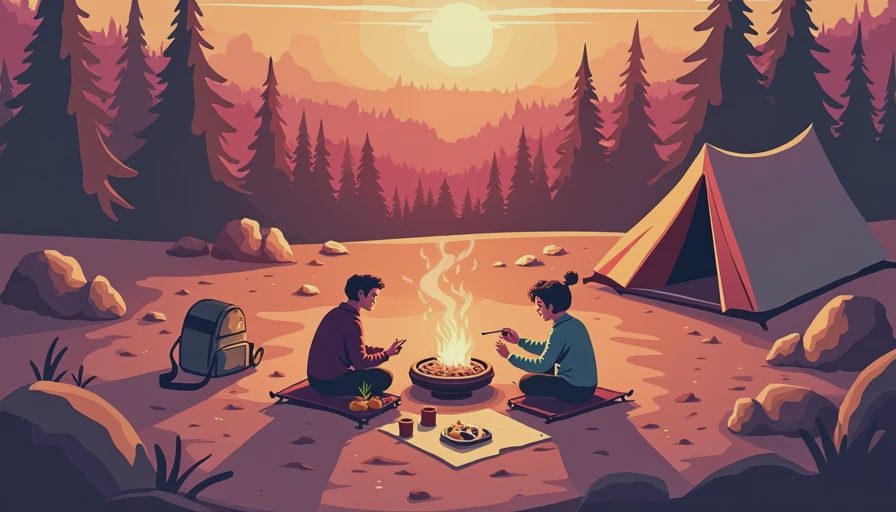
Three Hiking Cooking Recipes for a Compact Stove
The first of these hiking cooking recipes is a sausage couscous bowl. Bring one cup of water to a boil, stir in one cup of couscous, sliced shelf-stable sausage, dehydrated peppers, and a spoonful of bouillon. Remove the pot from heat, cover it for five minutes, then finish with olive oil and hot sauce. It uses little fuel and needs no long simmer.
For a cold morning, make peanut butter apple oats. Combine quick oats, powdered milk, cinnamon, a pinch of salt, and chopped dried apples in a bag at home. At camp, add hot water, stir, and let it sit for three minutes. Mix in peanut butter after cooking. The fat and carbohydrates make this a better start than coffee and an optimistic promise to eat later.
The third option is a tortilla skillet. Warm sliced summer sausage or pre-cooked chicken with black beans and a little salsa. Add shredded cheese just before serving and scoop the mixture into tortillas. Keep the filling fairly dry so the tortillas do not tear. This works especially well for a group because everyone can build a meal without waiting for individual portions.
A No-Cooler Meal Plan That Does Not Feel Punishing
Several hiking cooking recipes work well without refrigeration if you choose ingredients carefully. Breakfast can be oats with nuts and dried fruit. Lunch can be tortillas with peanut butter, honey, or tuna packets. Dinner can be couscous, beans, sausage, or dehydrated chili. Hard cheese is often fine for a day trip, but do not treat every dairy product as shelf-stable.
For trips longer than a weekend, buy commercially dehydrated ingredients or dehydrate cooked food at home with a reliable food dehydrator. Spread cooked ground meat thinly, dry it completely, and store it in a sealed bag. If there is any doubt about how it was prepared or stored, use a commercial alternative. A trail meal is not worth gambling on food poisoning miles from pavement.
Pack meals in the order you expect to eat them. Put the first day’s food near the top of the tote and reserve heavier cans or jars for vehicle-based camps. A soft cooler with frozen water bottles can handle a short trip, but it is not a substitute for cold storage on a long, hot route.
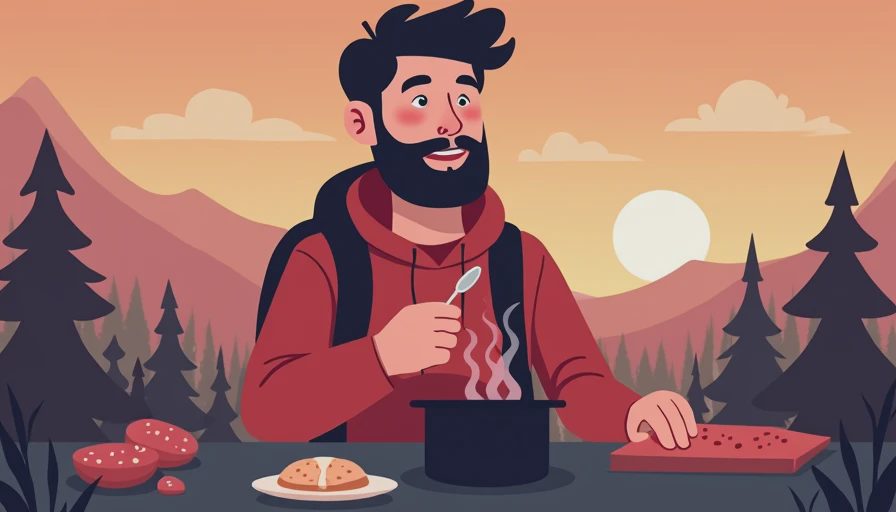
Hiking Cooking Recipes for a Campfire or Dutch Oven
A stove is faster and more predictable, but a campfire can make dinner feel like the reason you stopped driving. One of my reliable hiking cooking recipes for a fire is foil-pack potatoes with sausage. Slice potatoes thin, add sausage, onion, oil, salt, and pepper, then seal the packet tightly. Cook it over coals rather than tall flames, turning it once or twice. The potatoes are done when a fork slides through the center.
For a Dutch oven, use a controlled meal such as green-chile chicken and rice. Add pre-cooked chicken, instant rice, canned green chiles, broth, and seasoning. Keep the heat modest and stir occasionally. Dutch ovens hold heat long after the fire changes, which is useful but unforgiving. Put too many coals underneath and the rice burns before the top gets warm.
Follow local fire restrictions and use established fire rings where permitted. In dry country, a stove is often the smarter choice. The trail finds the weak point, and careless sparks are a weak point nobody needs.
The Cleanup and Packing Details People Skip
The best hiking cooking recipes still fail if cleanup becomes a midnight project. Scrape food into a waste bag, wipe the pot with a small piece of bread or a dedicated scraper, then wash with a small amount of hot water. Strain wash water away from camp, trails, and streams according to local rules. Do not bury greasy food or leave scraps for animals.
Pack a separate trash bag with a sturdy closure. Double-bag anything oily, because a salsa leak inside a food tote can make every tortilla taste like regret. Keep fuel canisters upright, knives covered, and matches in a waterproof container. Store food securely whenever wildlife rules require it; a cooler inside a vehicle is not automatically bear-resistant storage.
I also carry one emergency meal that needs only hot water. It might be dehydrated chili, instant mashed potatoes with tuna, or ramen upgraded with dried vegetables and an egg on a short trip. That meal is not exciting, but it matters when a tire problem, reroute, or late arrival turns dinner into a 10 p.m. repair break.
A Practical Trail Cooking Checklist
Before leaving, check the menu against the trip rather than your imagination. Confirm how many people are eating, how many hot meals you need, and whether water is available at camp. Carry enough fuel for the expected cooking time plus a reserve. Cold temperatures, wind, and repeated boils consume more fuel than a calm backyard test.
Bring a lighter, backup ignition source, pot grabber, spoon, knife, cutting surface, trash bags, and hand sanitizer. Test the stove before departure. Count the fuel canisters, and do not assume the half-full one from last season is trustworthy. For vehicle-supported trips, a two-burner propane stove is comfortable. For hiking away from the rig, a compact canister stove saves weight but offers less stability for large pots.
The goal is not restaurant food in the wilderness. It is a hot meal that appears when you need it, uses sensible gear, and leaves the campsite cleaner than you found it. Choose hiking cooking recipes that match the weather, route, and group, then cook one at home before trusting them on a real trip. Looks ready and is ready are different things.

No comments yet — be the first to share a thought.