A rim to rim grand canyon hike is not a scenic stroll with better views. It is a long, hot, steep crossing through a place that punishes poor pacing, thin preparation, and optimistic water planning. I have watched well-equipped people get humbled by terrain that looked manageable on a map. The canyon does not care how expensive your pack is. The trail finds the weak point.
The classic route starts at the South Rim, drops through Bright Angel or South Kaibab, crosses the Colorado River, climbs through the North Kaibab Trail, and finishes at the North Rim. Depending on the route and side trips, the crossing is roughly 21 to 24 miles. The mileage is only part of the problem. You lose and regain thousands of feet of elevation, often in full sun, while carrying everything your body needs.
Choose the right season and direction
The safest window for a rim to rim grand canyon trip is generally spring or fall, when temperatures are less punishing in the inner canyon. The South Rim and North Rim do not share the same weather. The North Rim sits higher, receives more snow, and can have seasonal road closures. A date that feels comfortable at the South Rim can still mean cold nights or inaccessible services at the other end.
Most first-time hikers travel south to north because the North Rim finish is higher and the route feels like a more deliberate climb. Others prefer north to south because logistics can be simpler depending on vehicle placement and lodging. Neither direction makes the crossing easy. Study seasonal closures, trail conditions, shuttle availability, and current park alerts before committing to a date.
Do not build the plan around the calendar alone. Build it around heat, water, daylight, and your slowest hiker. A strong hiking day in the canyon is not the same as a strong day on a forest trail. If your group cannot comfortably handle long climbs while carrying a loaded pack, add training time or split the route into an overnight trip.
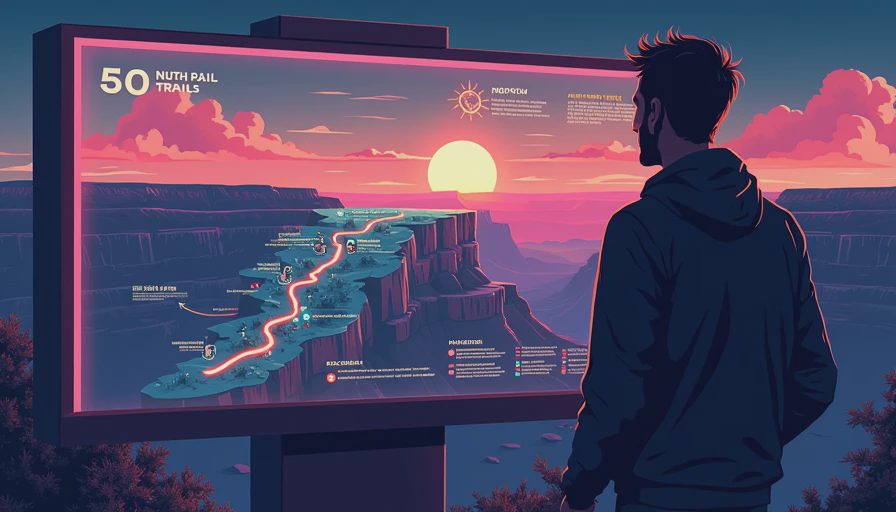
Build a realistic itinerary
A one-day rim to rim grand canyon crossing is possible for experienced hikers, but it is a serious endurance effort rather than a casual challenge. Many people are better served by an overnight itinerary. Camping requires the appropriate backcountry permit, and reservations can be competitive. Phantom Ranch has separate booking procedures and limited availability, so do not assume you can arrange a bed or meal after arriving.
For a two-day plan, the first day usually involves descending from the South Rim, crossing the river, and reaching an approved overnight location. The second day is the real test: a sustained climb toward the North Rim with less room for mistakes. Leave early, keep stops purposeful, and protect your daylight. A late start turns a difficult climb into a bad decision with fewer options.
Transportation needs attention too. If you leave a vehicle at one rim, determine how you will retrieve it. Seasonal shuttle schedules can change, and private shuttle services require advance coordination. Write down confirmation numbers, pickup points, and backup plans. Cell service is unreliable in much of the canyon, so store the information offline and carry a paper map.
Water, food, and heat management
Water planning is where many rim to rim grand canyon attempts go wrong. Carry enough capacity for the longest dry stretch, but do not confuse container capacity with available water. Grand Canyon water stations can be seasonal, closed for maintenance, or affected by treatment issues. Check current conditions through the National Park Service before departure and carry a filter or treatment method that matches your plan.
Drink steadily rather than waiting until you feel desperate. Add electrolytes when conditions and sweat loss justify them, but do not treat sports drink powder as a substitute for water or food. Salty snacks, tortillas, jerky, nut butter, bars, and simple carbohydrates are easier to manage than elaborate trail meals when you are tired.
Heat management starts before the trailhead. Use a brimmed hat, sunglasses, sunscreen, breathable clothing, and a damp neck covering if that works for you. Rest in shade when available. If someone develops confusion, repeated vomiting, loss of coordination, or an inability to keep drinking, stop treating the itinerary as sacred and seek help.
Gear that earns its weight
For a rim to rim grand canyon hike, footwear should be proven before the trip. New boots are a garage decision with trail consequences. Wear your shoes on long climbs and descents, including with the socks and pack you will actually use. Trekking poles are worthwhile for many hikers because they reduce the pounding on steep downhill sections and help maintain balance over uneven rock.
A 20- to 35-liter daypack can work for a fast crossing if water and food access are reliable. Overnight hikers need more capacity, but the answer is not simply buying a larger pack and filling it. Keep total carried weight under control. A shelter, sleeping system, layers, first-aid kit, headlamp, map, emergency communication device, and repair supplies deserve priority over camp luxuries.
Pack blister care before you need it: tape, moleskin, lubricant, spare socks, and a way to clean your feet. Bring a headlamp even if you expect to finish in daylight. A twisted ankle, delayed group member, or wrong turn can erase your schedule quickly. A satellite messenger is sensible for remote travel, but it is not a replacement for judgment or rescue insurance.
Train for climbing, not just mileage
The common mistake is preparing with flat-distance walks. The canyon demands repeated climbing and descending under load. Start several weeks ahead with stairs, hills, treadmill incline work, and long hikes. Add pack weight gradually rather than jumping from an empty daypack to a fully loaded overnight kit.
Train your legs for the descent as seriously as the ascent. Step-downs, split squats, calf raises, and controlled lunges help prepare the muscles that absorb downhill punishment. During long practice hikes, test food, socks, poles, and water storage. A training day is where you discover that a shoulder strap rubs, a bottle leaks, or one snack becomes impossible to swallow after six hours.
Know when to turn around
The smartest decision on a rim to rim grand canyon route may be abandoning the crossing. Turn around or stop advancing when heat illness symptoms appear, water supplies no longer match the remaining distance, weather makes travel unsafe, or a group member cannot maintain a sustainable pace. Pride has no emergency response plan.
Before starting, agree that the slowest person sets the practical pace and that nobody hikes alone. Check in at major landmarks, protect the group’s water reserve, and avoid spending your energy racing toward a viewpoint. The canyon will still be there on another trip.
A successful rim to rim grand canyon crossing is not defined by suffering the most. It is defined by reaching the far rim with enough judgment left to handle the final miles, the shuttle, and the drive home. Plan conservatively, train for the actual elevation, confirm current conditions, and carry less nonsense but more margin. Looks ready and is ready are different things.

No comments yet — be the first to share a thought.