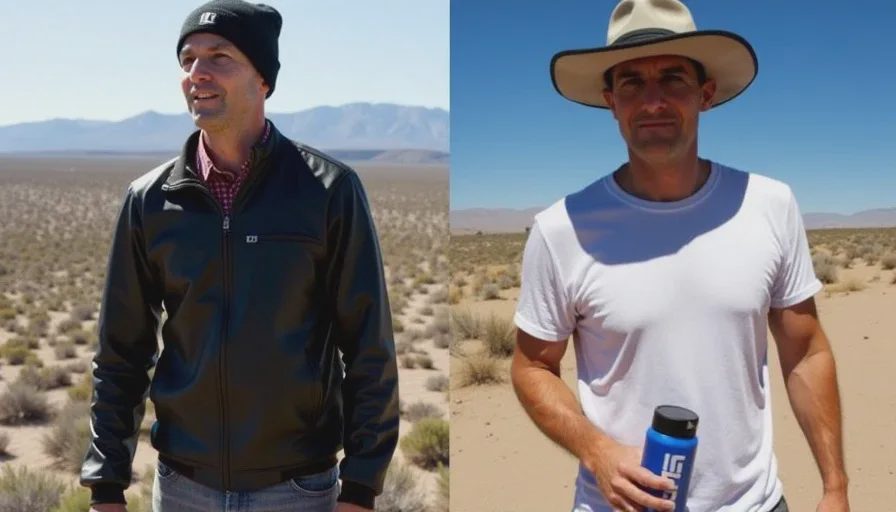
I met a guy named Kyle at a trailhead in southern Utah. He was from the Pacific Northwest. He'd driven his fully built truck—lockers, winch, 35-inch tires, the works—down to run some desert trails. He was excited. Confident.
He was also wearing a heavy waterproof jacket, insulated boots, and a wool beanie. In June. In the desert. It was 95 degrees.
"You look warm," I said.
"I am," he said. "I didn't think it would be this hot. It's different than back home."
It was. He was dressed for a rainforest. He was standing in a desert. He was already dehydrated before he started his engine.
That's the thing about terrain. It's not just about what's under your tires. It's about what's above you, around you, and inside you. The wrong gear—not just for the vehicle, but for the body—can ruin a trip faster than any mechanical failure.
We talk a lot about matching vehicles to terrain. We don't talk enough about matching ourselves to it. And that's a mistake. Because the trail tests you, too.
The Three Terrain Types
Desert. Forest. Alpine.
Each one demands a different mindset, a different body, a different set of decisions. If you treat them the same way, you'll get caught out. Every time.
Here's what I've learned about matching yourself—not just your vehicle—to the wrong kind of terrain.
Desert: The Test of Patience and Water
The desert looks simple. Open space. Dry ground. Clear skies. What's the big deal?
The big deal is everything you don't see. The heat. The dust. The silence. The way the sun drains you without you noticing. The way the distance plays tricks on your eyes. The way a beautiful morning turns into a brutal afternoon.
What the desert demands:
Heat Management
You will sweat. More than you think. More than you feel. The desert air is dry, so sweat evaporates quickly. You don't feel wet. You don't realize how much fluid you're losing. And by the time you feel thirsty, you're already dehydrated.
What works in the desert:
Lightweight, light-colored, loose-fitting clothing. Cotton is your friend here—it breathes, it holds moisture, it keeps you cool.
A wide-brimmed hat. Not a baseball cap. A hat that shades your neck and ears.
Sunglasses that actually block UV light. The desert sun is intense.
Sunscreen. Reapply it. The sun reflects off the sand and rocks, hitting you from all angles.
A hydration system that's easy to drink from. You need to sip constantly, not gulp occasionally.
A shaded spot to rest during the hottest part of the day. If you're hiking, that means finding a rock overhang or a patch of shade. If you're driving, it means taking a break in the truck with the windows cracked.
What fails in the desert:
Dark clothing. It absorbs heat. You'll cook.
Non-breathable fabrics. You'll trap heat and sweat, making everything worse.
Not drinking enough. Dehydration is a slow, insidious threat. It clouds your judgment, slows your reactions, and makes you vulnerable.
Pushing through the heat. The desert doesn't reward grit. It punishes it. Stop. Rest. Hydrate. Wait for cooler hours.
Navigation
The desert is vast. Features are subtle. A dry wash looks like the last dry wash. A rock formation looks like the last rock formation. It's easy to get lost, even with a map.
What works in the desert:
A GPS or mapping app with downloaded offline maps. Don't rely on cell service. It's not there.
A paper map. When your electronics fail—and they will—a paper map still works.
A compass. Know how to use it.
Landmarks that are obvious and unique. A distinctive rock, a lone tree, a windmill. Don't rely on "that big rock over there." They all look the same.
A track log. If you're driving, leave a track. It helps you find your way back.
What fails in the desert:
Relying on memory. The desert plays tricks on you. Everything looks different in the morning light, the afternoon heat, and the evening shadows.
Following washes. They all look the same. They all go nowhere. They're a great way to get lost.
Not knowing where you are on the map. Don't guess. Stop. Orient yourself. Confirm.
Pacing
The desert is slow. The heat makes you slow. The terrain makes you slow. The distance makes you slow.
What works in the desert:
Early starts. Start before sunrise. Get your miles in before the heat peaks.
Long rests in the middle of the day. The hottest part of the day is the time to rest, not push.
Realistic expectations. You won't cover as much ground as you think you will.
Listening to your body. If you feel dizzy, nauseous, or weak, stop. You're not being soft. You're being smart.
What fails in the desert:
A hurry. The desert doesn't forgive rushing. Rushing means mistakes. Mistakes mean trouble.
Overestimating your abilities. The desert reveals your limits. Be honest about them.
Forest: The Test of Navigation and Resilience
The forest is deceptive. It looks forgiving. Green. Shaded. Cool. Easy.
It's not easy. The forest is dense. It's wet. It's dark. It's disorienting. You can't see far. The trail twists and turns. The canopy blocks the sky. You lose your sense of direction fast.
What the forest demands:
Navigation
In the forest, you can't see the mountains. You can't see the sun. You can't see anything except trees. And they all look the same.
What works in the forest:
A GPS or mapping app with good trail data. Forest trails are numerous and poorly marked. A good map helps.
A compass. The forest is confusing. A compass gives you a reference point. It helps you orient.
Trail markers. If you see a marker, pay attention to it. It tells you where you are.
A record of your route. Note landmarks. Distance. Direction. Help yourself retrace your steps.
A whistle. If you get lost, three blasts is a universal distress signal.
What fails in the forest:
Relying on visibility. You can't see far. You need a plan and a way to execute it, not just a general sense of direction.
Trusting your sense of direction. The forest confuses everyone. Trust your map and compass, not your gut.
Not paying attention to the trail. It's easy to miss a turn, a fork, or a faint path in the forest.
Water and Wetness
Forests are wet. Rain. Humidity. Mud. Streams. Wet gear. Wet clothes. Wet boots.
What works in the forest:
Waterproof layers. A rain jacket. Rain pants. Waterproof boots.
A tarp or shelter. If it rains, you need a place to stay dry. A tarp is light, versatile, and effective.
Quick-dry clothing. Synthetic fabrics dry faster than cotton.
Managing moisture. Take off wet clothes. Air out your boots. Dry your gear when you can.
A fire starter. Wet wood is hard to light. A reliable fire starter makes a huge difference.
What fails in the forest:
Cotton. It stays wet. It stays cold. It stays uncomfortable. It stays dangerous if the temperature drops.
Not having rain gear. Rain in the forest is not an exception. It's the rule. Be ready.
Ignoring wetness. Wet feet get blisters. Wet skin gets cold. Cold gets dangerous.
Mud
The forest floor is damp. Damp means mud. Mud means traction problems, exhaustion, and planning challenges.
What works in the forest:
Shoes with good tread. Mud is slippery. Good tread keeps you upright.
Gaiters or high boots. Mud gets in your boots. Gaiters keep it out.
Walking sticks. They help with balance and give you extra points of contact.
What fails in the forest:
Smooth-soled shoes. You'll slip and slide.
Not having a plan for mud. It's not a minor inconvenience. It's a terrain type that changes everything.
Underestimating how much mud slows you down. It does.
Alpine: The Test of Weather and Endurance
The alpine is beautiful. High mountains. Clean air. Big views. But it's also brutal. Wind. Cold. Thin air. Rapid weather changes. Exposure.
What the alpine demands:
Altitude
At high elevation, everything is harder. You get tired faster. You breathe harder. You think slower. You sleep worse. You get sick more easily.
What works in the alpine:
Acclimatization. Spend a day or two at altitude before you do anything strenuous. Let your body adjust.
Hydration. High altitude is dry. You lose more fluid through respiration. Drink more than you think you need.
Slowing down. At altitude, you can't push as hard. Accept it. Plan for it.
Being aware of altitude sickness. Headache, nausea, dizziness—these are signs. Don't ignore them.
What fails in the alpine:
Going straight to high altitude without acclimatization. Your body needs time to adjust.
Not drinking enough. Dehydration at altitude is common and dangerous.
Pushing through symptoms. Altitude sickness is not about being tough. It's about survival. If you feel symptoms, descend.
Weather
Alpine weather changes fast. Clear morning, storm by noon. Warm sun, freezing wind. Beautiful one hour, dangerous the next.
What works in the alpine:
Layers. You need to add and remove clothing quickly. A base layer, a mid layer, an outer shell. More if it's colder.
Wind protection. Wind is the biggest threat in the alpine. It strips away heat fast. A windproof shell is essential.
Sun protection. The sun is intense at high altitude. Sunscreen, a hat, sunglasses. You need them.
Rain and snow protection. A good waterproof jacket. Waterproof pants. They save you.
What fails in the alpine:
Cotton. It's wet. It's cold. It's dangerous. No cotton at altitude.
Not enough layers. You might be warm at the trailhead. You won't be warm on the ridge. Prepare for the worst.
Overconfidence. The weather is not predictable. It does what it wants. Accept that and plan accordingly.
Exposure
The alpine is exposed. You're high. You're visible. You're vulnerable to sun, wind, and cold. And you're far from help.
What works in the alpine:
A plan that accounts for the weather.
A clear idea of the route and the descent.
Communication. A satellite messenger or emergency beacon. Cell service is rare.
A shelter. A bivy sack or emergency blanket. If you're caught out, you need protection.
A realistic turn-around time. In the alpine, you need a time when you turn around, no matter where you are. For me, it's usually noon.
What fails in the alpine:
Ignoring the time. Daylight fades fast in the mountains. If you're not off the ridge by a certain point, you're in trouble.
Overestimating your fitness. The altitude and terrain are demanding. Be honest about what you can do.
Relying on luck. Luck is not a plan. The alpine doesn't care about your hopes. It cares about your preparation.
How to Match Yourself to Terrain
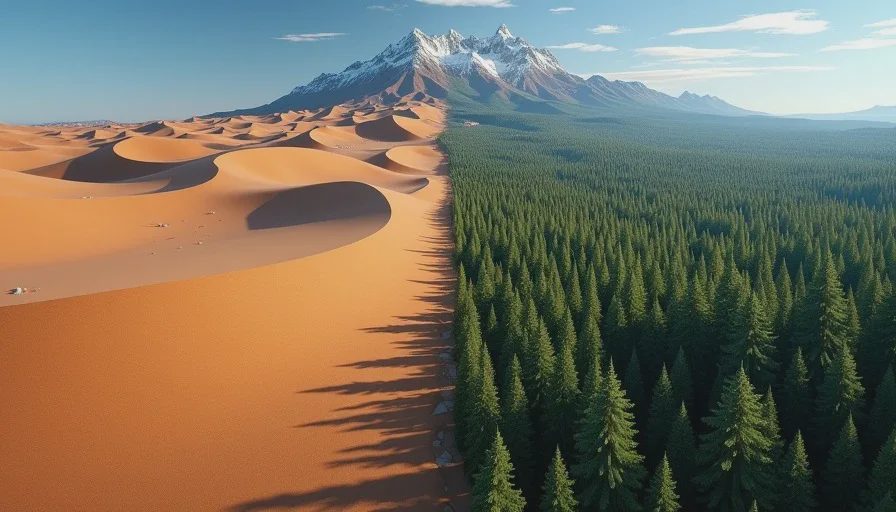
Here's my advice for matching yourself to the terrain you're heading into. It starts before you leave the house.
Step 1: Research the Terrain
Don't just look at the route. Look at the region. What kind of terrain is it? What are the typical conditions? What are the extremes?
Desert: Hot, dry, open. You need water, sun protection, and navigation skills.
Forest: Dense, wet, confusing. You need navigation, rain gear, and resilience.
Alpine: High, exposed, unpredictable. You need layers, planning, and awareness.
Step 2: Pack for the Terrain, Not for Your Ego
You're not a hero. You're a person going into a place. Pack for the place, not for what you wish it was.
Desert: Light clothing. A hat. Sunscreen. More water than you think you need.
Forest: Rain gear. Boots. Navigation tools. Fire starter.
Alpine: Layers. Wind protection. Sun protection. A plan for emergency shelter.
Step 3: Adjust Your Expectations
You won't cover as much ground as you think you will. The terrain will slow you down. The weather will slow you down. You will slow you down.
Accept it. Plan for it. Enjoy it.


No comments yet — be the first to share a thought.