Let me start with a confession.
For years, I carried a recovery kit that would make an ARB catalog look modest. Two snatch straps. Three soft shackles. Two hard shackles. A winch extension rope. Pulleys. Tree savers. A Hi-Lift jack. A full bag of gear that weighed more than my daughter and took up half my cargo space.
I was proud of it. Looked serious. Felt serious.
I used exactly three things from that kit in five years. And two of those were the gloves.
The rest? It rode around. Took up space. Collected dust. Got heavy. Made me feel prepared for a disaster that never came—and honestly, probably wasn't coming.
Then I started paying attention to what actually gets used on typical weekend trips. Not expeditions. Not week-long backcountry traverses. Just Friday-to-Sunday drives. Forest roads. Dirt trails. The occasional rocky section. Maybe a muddy patch.
And I realized something.
Most of what I carried was for someone else's adventure.
Who This Kit Is For

Before I tell you what's in the kit, let's be honest about who this kit is for.
You're a normal weekend driver. You have a 4x4 truck, SUV, or crossover with decent ground clearance. You take it out on weekends. Forest roads. Desert trails. Mountain passes. Nothing crazy. Nothing that requires a roll cage or a helicopter rescue plan.
You're not running the Rubicon. You're not crossing the Darién Gap. You're not going to be alone in the wilderness for days.
You just want to get unstuck if things go sideways. And you want to do it safely, without spending $1,200 on gear you'll never use.
This kit is for you.
The Philosophy
Here's the philosophy behind this kit. It's simple, and it runs counter to most of what you'll read on the internet.
Carry what you'll actually use.
Not what you might use. Not what looks cool in the back of the rig. Not what you saw on Instagram. What you'll actually use.
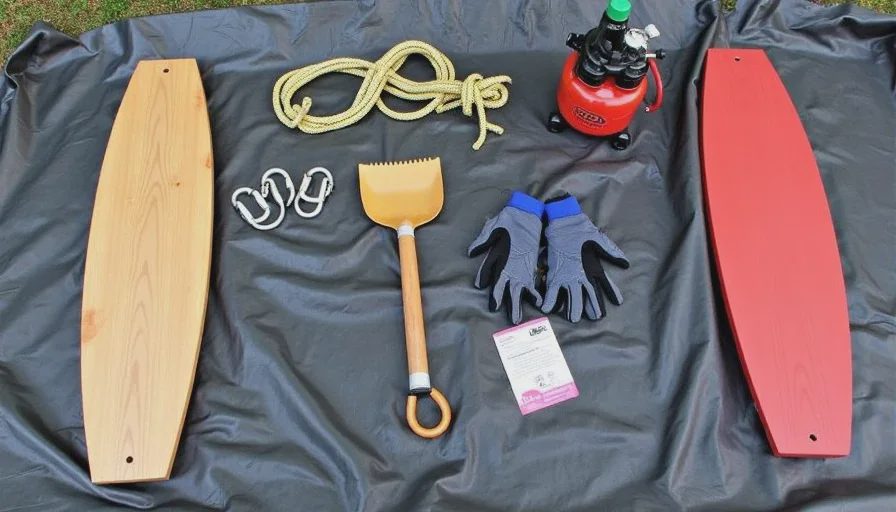
For most weekend trips, that's a short list. Recovery boards. A kinetic rope. A few shackles. A shovel. Gloves. A tire repair kit. A compressor.
That's it.
Everything else is optional. Everything else is situational. Everything else is weight you don't need.
The Kit
Here's exactly what I'd carry today. No affiliate links. No brand worship. Just gear I've used, broken, and replaced enough times to know what works.
1. Recovery Boards (Two)
This is the most used recovery tool for a normal weekend driver.
Why? Because you'll get stuck in sand, mud, or snow more often than you'll need a winch. Recovery boards give you traction when tires are spinning. They're simple. They work. And they're easy to clean.
What I carry: A set of two boards. Not four. Not six. Two.
What I look for:
A flat surface without aggressive spikes—nicer on tires and safer to handle
Nylon construction that flexes, not brittle plastic that shatters in cold weather
A design that bridges ruts without snapping
Easy to clean. If you can't hose the mud off, you won't use them when you need them.
What I avoid:
Cheap knockoffs from Amazon. I've watched them split in half in sandstone heat. They're not worth it.
The most aggressive teeth on the market. You don't need to chew your tires. You need traction.
One specific recommendation: If you're buying a set, look for "woven" nylon boards. They flex. They're lighter. They hold up better than the brittle plastic ones.
2. Kinetic Recovery Rope (One)
A kinetic rope is the single best recovery tool for vehicle-to-vehicle pulls. It stretches, storing energy, and then snaps back—giving a smooth, powerful tug that doesn't shock the recovery points.
What I carry: A 30-foot kinetic rope rated for my vehicle weight plus 50%.
What I look for:
A rope, not a strap. Ropes stretch. Straps don't.
A working load limit that's 2-3 times your vehicle's weight
Reinforced eyes that won't rip
A cover that protects the rope from abrasion
A bag that's easy to pack and keeps the rope clean and organized
What I avoid:
Tow straps that don't stretch. They're for towing, not recovery. They'll shock-load your vehicle and break something. I've seen more bumpers ripped off with tow straps than with anything else.
Cheap ropes with low ratings. Rope failure is violent. Don't cheap out.
Ropes that are too long. You need control and predictability, not extra rope to manage.
A practical note: I've pulled out more stuck trucks with my kinetic rope than with my winch. It's faster, easier, and requires less setup. If you're traveling with a friend, a kinetic rope is the best recovery tool you can carry.
3. Soft Shackles (Two)
Soft shackles are replacing metal D-shackles for a reason. They're safer, lighter, and less likely to damage your vehicle if they fail.
What I carry: Two soft shackles. Minimum.
What I look for:
35,000-pound breaking strength minimum
High-visibility color (I like orange or yellow—easier to find in the dirt and harder to leave behind)
Reinforced stitching at the base
A sleeve or cover to protect the rope from abrasion
What I avoid:
Cheap polyester knockoffs. They'll melt under load.
Metal shackles. They're heavy, dangerous when they fail, and hard on recovery points.
Why two: You'll want one at each end of the rope. Plus you should have a backup in case you lose one or need a third point. Two is enough. Four is extra weight.
4. Recovery Point (or Two)
You need a place to attach the rope. If you don't have a recovery point, you'll be in trouble.
What I carry: A dedicated recovery point that's bolted to the frame or a factory-rated tow point.
What I look for:
A point that's rated for recovery, not just towing
A visible attachment point that's easy to access
Something that accepts a soft shackle without sharp edges
What to avoid:
Tow balls. They're not for recovery. They can become projectiles.
Aftermarket bumpers with unrated D-ring mounts that are held on by small bolts or were never actually designed for a full kinetic load
Tow hooks that are bolted to the bumper instead of the frame
Sheet metal screws disguised as recovery points
Practical advice: If you don't have a recovery point, get one installed. It's a cheap investment that saves your vehicle and keeps everyone safe.
5. Folding Shovel
You will dig at some point. It might be clearing sand from a tire. It might be filling a rut. It might be creating a ramp out of dirt. A folding shovel makes that work possible.
What I carry: A folding shovel with a sturdy handle and a sharp blade.
What I look for:
A metal blade that won't bend
A locking mechanism that stays in place
A compact size that fits in your storage space
A comfortable handle for extended digging
What I avoid:
Shovels with plastic blades. They break when you hit rocks. And you'll hit rocks.
Shovels that take up too much space.
One specific recommendation: The $30 surplus folding shovels are fine. The $80 ones are fine too. The key is a metal blade and a good fit in your hand. I've dug out vehicles with a kitchen trowel before. It's not ideal. Get a real shovel.
6. Gloves (One Pair)
You're going to be handling ropes, shackles, and mud. Gloves make it safer, cleaner, and more comfortable.
What I carry: One pair of heavy-duty gloves that cover the whole hand.
What I look for:
Synthetic leather palms with rubber grip
Cut protection
A fit that allows you to work with dexterity
Visibility—contrasting color helps you find them in the dark or in the dirt
What I avoid:
Mechanic's gloves with exposed backs. They don't protect against rope burns.
Gloves that are too bulky. You need to be able to tie knots and handle small objects.
Practical advice: Cheap gloves are fine. You'll probably lose them anyway. Buy something comfortable enough that you'll actually wear them, and treat them as disposable.
7. Tire Repair Kit
You'll get a flat tire. It's not a matter of if. It's a matter of when. A tire repair kit lets you plug it and keep rolling.
What I carry: A small kit with plugs, a reamer, and an insertion tool.
What I look for:
A kit that's complete enough to work but light enough to carry
A reamer that's robust but not massive
Multiple plug sizes—make sure you can handle the puncture, whether it's a nail or a rock
Cement or lubrication for the plugs
What I avoid:
Kits that are cheaply made and break on the first use
Kits that are too basic to handle anything but the smallest puncture
Practical advice: A tire repair kit is useless without a good pump to air the tire back up. Always pair it with a reliable air source.
8. Portable Air Compressor
You need to air down for traction and air back up for the highway. A compressor makes that possible.
What I carry: A portable compressor that clips to the battery and can inflate my tires without overheating.
What I look for:
Alligator clips that attach directly to the battery
A compressor that's built for a 33-inch tire and up
A compressor that fits in my storage
A brand that has a reputation for durability and field reliability
What I avoid:
Compressors that plug into a cigarette lighter. They're too slow and can blow the fuse when you need them most.
Compressors with plastic fittings that crack in cold weather.
Compressors that are too large to carry easily or too small to get the job done quickly.
Practical advice: The best compressors run off the battery directly. They're not expensive. Use them.
What I Don't Carry
Here's what's not in this kit. And I want to be clear about why.
Winch
I don't carry a winch for normal weekend trips. Why? Because a winch is heavy, expensive, and only works if you have something to attach it to. In the desert, that's often nothing. In the forest, it's trees—if you're in a forest.
If you're running remote, remote, remote terrain, a winch makes sense. If you're carrying a boat or going to abandoned mining areas, it might be warranted. But for most weekend driving, a kinetic rope and recovery boards will get you unstuck faster and cheaper.
A winch is a specialized tool for specialized situations. It's not a normal weekend driver's essential.
Hi-Lift Jack
Hi-Lifts are dangerous. They're heavy. They're unstable. And they require a recovery point that's designed for lifting—which most vehicles don't have.
Unless you're doing serious off-road work with vehicle-specific jack points, you don't need one. A standard bottle jack or factory jack is safer, lighter, and easier to use.
Deadman Anchor
A deadman anchor is a bag you fill with rocks or sand to create an anchor point for a winch. It's clever. It's also specialized.
If you have a winch and you're in a desert or open terrain, a deadman anchor can be useful. For the normal weekend driver? You're carrying a bag you'll never use.
Extra Traction Mats (Beyond Two)
Two boards are enough. Four boards are unnecessary weight. Bring two and learn how to use them. If you need more than two, you're probably in a situation where you should stop and think—not add more gear.
How to Organize It
A pile of gear in the back of the truck is a mess. Here's how I organize this kit.
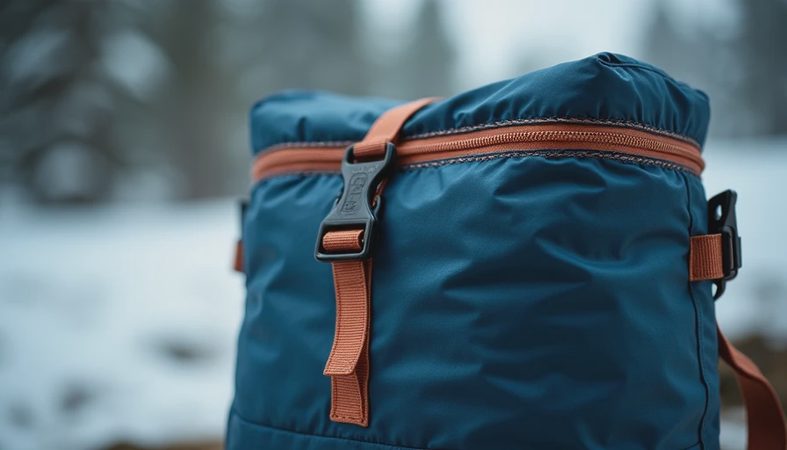
Recovery Bag
All the small stuff goes in one bag. Shackles. Gloves. Tire repair kit. I use a canvas tool bag. Waterproof. Durable. Easy to grab.
Rope Bag
The kinetic rope goes in its own bag. I don't want it getting tangled with other gear. Keep it clean. Keep it accessible.
Boards
The recovery boards get strapped to the roof rack or stored flat in the back. They need to be accessible, not buried.
Shovel
The shovel goes next to the recovery bag. Easy to reach.
Compressor
The compressor goes in a separate bag. I want to find it quickly when I need it.
Organization matters. When you're stuck, you don't want to dig through a pile of gear. Everything should have a place. Your storage system should keep things from moving around and getting damaged, too.
The Total Cost
Here's the honest part: this kit isn't cheap. But it's cheaper than a tow truck.
Recovery boards: $200-$300 for a quality set
Kinetic rope: $150-$250
Soft shackles: $80-$120 for two
Folding shovel: $30-$60
Gloves: $20-$40
Tire repair kit: $30-$50
Portable compressor: $150-$300
Total: roughly $660 to $1,120.
That's less than one winch install. Less than one recovery tow. And it covers 90% of what you'll actually need.

No comments yet — be the first to share a thought.