If you are searching for sleeping in food, you probably mean sleeping near food at camp, leaving food inside a tent, or wondering whether a cooler belongs beside your sleeping bag. The short answer is no. Food, scraps, toothpaste, scented wipes, and dirty cookware should have their own controlled storage plan. A tent is for sleeping, not for turning into a midnight buffet for every curious animal in the drainage.
This is less about cinematic bear country and more about basic camp discipline. Mice, raccoons, ravens, skunks, and even an ambitious fox can make a mess. In some places, larger animals are the concern. The trail finds out the weak point, and an open snack wrapper is a surprisingly effective way to advertise yours.
Why sleeping in food creates a problem
Sleeping in food becomes risky because fabric shelters do almost nothing to contain odor. A sealed package of crackers might seem harmless, but crumbs on a sleeping pad, a greasy hoodie, or a granola bar forgotten in a door pocket can create a scent trail. Animals do not need to understand your camp layout. They only need a reason to investigate.
The bigger issue is behavior. Once an animal learns that camps produce easy calories, it may return to occupied sites, tear through bags, or damage a tent. Even when nobody gets hurt, the result can be an expensive night: a shredded food bag, broken cooler latch, punctured air mattress, or a rushed pack-up before sunrise.
That does not mean you need a complicated expedition kitchen. It means separating three things: where you cook, where you store food, and where you sleep. On a truck-based trip, that might be the rear cargo area for sealed supplies, a dedicated hanging system where appropriate, and a clean tent with no edible items. On a family trip, it may simply mean locking everything into a hard-sided vehicle container before bed.
Build a food plan before the trailhead
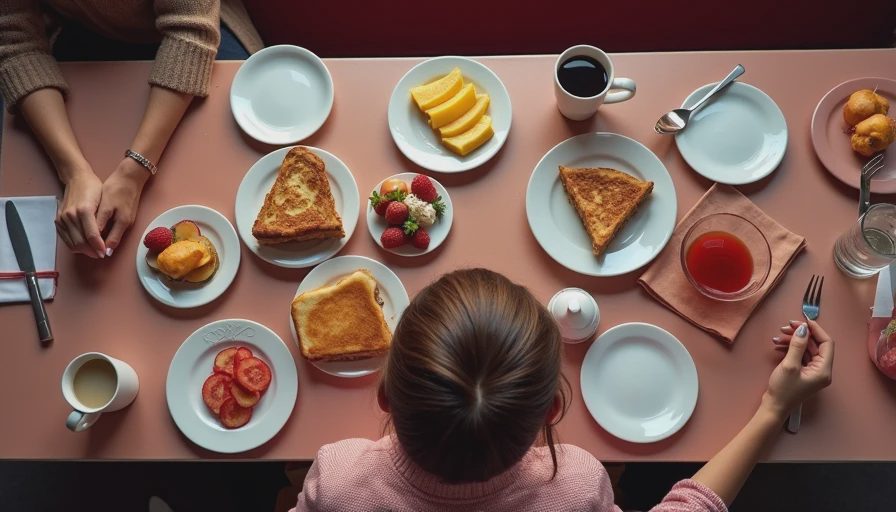
The easiest way to prevent sleeping in food is to decide storage before you leave the driveway. Pack meals into stackable bins with tight lids instead of loose grocery bags. Put breakfast, snacks, and dinner into separate containers so you are not digging through the entire loadout with dirty hands at dusk.
A 45- to 65-quart cooler can handle several days of perishables for a small group, but its usefulness depends on discipline. Wipe the lid and handles after cooking, drain meltwater away from camp, and never leave the cooler open while you walk off. A soft cooler is convenient for short trips, though it is easier to puncture and generally offers less protection from determined animals.
Dry goods deserve equal attention. Rice, tortillas, jerky, coffee, pet food, and powdered drink mix all count as attractants. Coffee grounds and cooking oil are not magically invisible because they came from a camp kitchen. Seal them, clean the container, and store them with the rest of the food rather than tossing them into a side pocket.
Cooking location matters more than people think
Sleeping in food often starts several feet from the tent, beside a tailgate or picnic table where dinner was prepared. Grease lands on the ground, chili spills into gravel, and the pot gets “cleaned” with a paper towel that goes into an open trash bag. That bag then sits beside the sleeping area. The camp looks tidy until something with a better nose arrives.
Choose a cooking spot downwind and away from your sleeping shelter when the site allows. Keep raw meat, wastewater, and dirty utensils in one controlled area. Scrape plates into a sealable trash container, then wash cookware with the smallest practical amount of water. Strain food particles instead of scattering them across the soil. Do not pour greasy dishwater beside your tires or under the tent.
For vehicle campers, a tailgate kitchen is convenient, but convenience can encourage lazy storage. Close every drawer after use. Put the stove away only after it cools. Wipe the work surface before bed. A $12 roll of heavy-duty trash bags and a few screw-top containers can prevent the kind of cleanup that makes a $5,000 drawer system look foolish.

Choose storage for the animals and the site
The right answer to sleeping in food depends on location. In many developed campgrounds, a locked vehicle or approved food locker is the practical choice. In backcountry areas, local regulations may require certified bear-resistant containers or specific food-storage methods. Those rules matter more than whatever worked on your last trip.
A hard-sided box inside a locked vehicle usually beats a rooftop bag for food security, but only if the vehicle is actually secured. Never assume a closed canopy, soft cargo cover, or rooftop tent fabric is animal-proof. A bear can damage vehicle trim and a raccoon can work through surprisingly clever closures. If local guidance calls for a bear-resistant canister, use one that is accepted for that area and pack it where you can access it without opening every bag at midnight.
Do not store food in the sleeping compartment of a van or SUV overnight unless the area specifically permits it and the container is designed for that purpose. Ventilation, heat, spills, and odor all become harder to manage in a confined space. A separate sealed box in the vehicle's cargo area is cleaner and easier to inspect.
What belongs outside the sleeping area
The sleeping in food problem includes more than dinner. Lip balm, sunscreen, gum, toothpaste, deodorant, pet treats, baby wipes, and scented lotions can all create unnecessary interest. I keep these items in the same sealed personal-care bin as the food instead of pretending the “non-food” label changes the smell.
Trash deserves a final inspection. Empty cans, meat packaging, napkins, and used foil should go into a latching container before the group settles down. Do not rely on a thin grocery bag tied to a tree. It is not a storage system; it is a signal flare with handles. If you cannot secure trash properly, reduce packaging at home and carry the waste out in a rigid container.
Dogs add another layer. A dog food bag left in the tent is still food, and a chew toy covered in grease is still interesting. Feed pets before the cleanup window, pick up bowls, and store their food with your own supplies. This is especially important when a tired dog is sleeping beside you and cannot warn you about every visitor outside.
A five-minute shutdown routine
Before turning in, walk the camp in the same order every night. First, extinguish the stove and let hot cookware cool. Second, scrape and wipe the cooking surface. Third, seal leftovers, dry goods, pet food, and personal-care items. Fourth, place trash and dirty dishes in their assigned containers. Finally, check the ground around the tent, under the vehicle, and beside the picnic table for crumbs or wrappers.
This routine sounds fussy until you compare it with repairing a torn shelter at 2 a.m. I once watched a group spend nearly an hour chasing a raccoon away from an open food tote because nobody wanted to be the person who packed it before bed. The tote had been sitting beside the tent, lid cracked, with tortillas and a greasy skillet inside. Nothing dramatic was required to create the problem—just fatigue and one unfinished task.
If sleeping in food describes your current camp habit, change the layout rather than buying a mountain of gear. Put the kitchen on one side of camp, the food box in its secure location, and the sleeping shelter somewhere clean and quiet. Looks ready and is ready are different things, especially after dark.
The simple standard for a better night
A good camp should be boring after dinner. Your food is sealed, your trash is contained, your cookware is clean enough, and the sleeping area smells like fabric instead of bacon. That standard works for a weekend forest road trip, a desert base camp, or a multi-day overland route.
Remember that sleeping in food is not a clever comfort trick or a harmless shortcut. It is an avoidable storage failure. Spend ten minutes planning containers, cooking location, cleanup, and overnight storage before the trip. You will protect your gear, reduce animal encounters, and sleep better without adding another complicated system to the truck.
The trail finds the weak point eventually. Make sure it is not the open snack bag beside your pillow.

No comments yet — be the first to share a thought.