The Osprey Exos is one of those packs that looks almost too light to trust when you first pick it up. Then you load it for a weekend, walk several miles, and start wondering why your old pack needed so much padding and hardware. I have used packs in hot desert country, high forest routes, and long approach hikes where every unnecessary ounce eventually becomes a personal insult. The Osprey Exos earns its reputation by keeping the useful structure while cutting away a lot of dead weight.
That does not mean it is the right answer for every trip. The trail finds the weak point, and with this pack the weak point usually appears when a hiker treats a lightweight pack like a hauling sled. The frame, suspension, pockets, and fabric are designed for efficient loads, not an oversized base camp kitchen or a week of winter equipment. Used within its comfort zone, it is a smart tool. Loaded carelessly, it becomes an uncomfortable reminder that weight savings are not magic.
What the Osprey Exos Does Well
The first thing you notice is the suspension. Osprey has built the Exos around a ventilated back panel and a frame that keeps the pack from sitting flat against your shirt. That airflow matters on exposed switchbacks and warm desert approaches, where a soaked back can make a comfortable day feel much longer. The shoulder straps and hip belt are comparatively light, but they distribute a normal backpacking load without feeling flimsy.
The Osprey Exos also carries close to the body. That is useful on rocky trails, narrow forest paths, and any route where a bulky load catches branches or shifts when you scramble. Side pockets are accessible while walking, and the exterior storage gives you practical places for a rain shell, water filter, or damp tent fly. The design rewards a disciplined packing system: sleeping gear low, dense items near the frame, and frequently used equipment outside.
Capacity depends on the specific version, but the Exos line commonly sits in the range serious weekend hikers need. A sleeping bag, compact shelter, stove, food, water, and spare layers fit without forcing everything into a single stuffed compartment. That is the difference between a light pack and a small pack. Light is useful; small can become frustrating.

Fit and Load Limits Matter More Than the Scale
A lightweight pack only feels good when the torso length and hip belt are adjusted correctly. Start with the hip belt centered over the hip bones, then tighten the shoulder straps until they contact your body without pulling the load high into your neck. The load lifters should angle upward toward the frame. If they are cranked tight enough to make your shoulders tense, the pack is probably too heavy or poorly packed.
The Osprey Exos is happiest with a moderate load. Think roughly 20 to 30 pounds for the kind of comfort that makes it attractive, with the exact limit depending on your build, packing technique, and the particular Exos model. A strong hiker can carry more for a while, but that does not make the experience pleasant. Once heavy food, extra water, camera gear, and bulky clothing pile in, the thin belt and light frame have less margin.
That tradeoff is easy to miss in a gear room. A full pack can feel fine while you walk across carpet for five minutes. On a steep descent after six hours, pressure points tell the truth. Weigh the complete load before a trip, including fuel, water, and the items that somehow multiply in the garage. Looks ready and is ready are different things.
Durability, Weather, and Trail Abuse
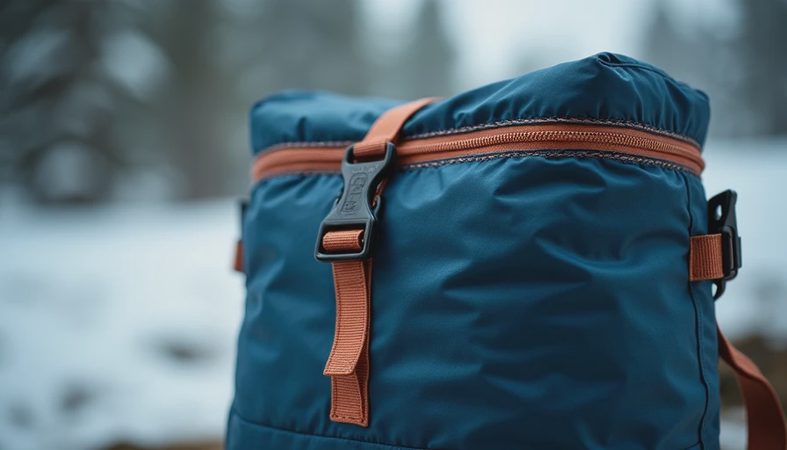
The Osprey Exos uses lightweight materials, so it should not be treated like a heavy-duty hauling pack. Dragging it across sandstone, leaning it against sharp granite, or forcing a full load into the zipper is asking for trouble. That said, normal trail use is not a problem. The stitching, frame, pockets, and suspension are built for repeated hiking rather than a single ultralight race.
I would still use a pack liner or waterproof bag system. Exterior fabric can shed ordinary drizzle, but no lightweight backpack should be considered waterproof without a real liner. Put the sleeping bag, insulation, and spare clothes inside sealed bags, especially if the route includes monsoon weather or a long exposed crossing. A $10 liner can protect the equipment that keeps a cold evening from becoming a bad one.
Before leaving, inspect the shoulder strap attachment points, hip belt pockets, buckles, and mesh panels. Mesh is convenient but not invincible. Keep it away from rough rock and avoid stuffing hard objects against it. A small repair kit with needle, thread, tape, and a spare buckle weighs almost nothing and can prevent a minor tear from ending a trip.

Where It Fits in a Real Gear System
The Osprey Exos makes sense for a weekend backpacking setup built around compact equipment. A 20-degree sleeping bag, three-season tent, small canister stove, inflatable pad, light rain shell, and dehydrated meals are a natural match. Add a modest camera, water treatment, and a first-aid kit, and the pack remains balanced if you do not bring every comfort item from home.
It is less convincing for winter trips, family loads, or routes with long water carries. Water is heavy, and desert planning can add six or eight pounds before food and shelter are counted. In that situation, a more substantial pack with a stronger hip belt may be the better tool. The extra weight of the pack itself can be worth it when the carried load is consistently high.
For vehicle-based overlanding, the Exos is a good secondary pack for day hikes or overnight routes away from camp. It packs down reasonably well, does not consume much storage space, and can serve as an evacuation or scouting bag when prepared sensibly. Do not confuse that role with a vehicle recovery pack. It is not a substitute for water cans, a repair kit, navigation tools, or proper emergency communication.
Osprey Exos Versus Heavier Alternatives
Compared with a traditional Gregory or Deuter backpacking pack, the Exos usually feels more athletic and less padded. That can reduce fatigue on a steady trail, but it also gives you less forgiveness when your load is lumpy or overloaded. Compared with an ultralight cottage-brand pack, it often offers a more familiar suspension system and easier adjustment, though it may not be the absolute lightest option.
That middle ground is the main appeal. You get a mainstream fit system, useful external storage, and a frame that does not demand perfect ultralight habits. You also avoid carrying the weight of a large expedition pack when your trip does not need it. I would choose it for a three-day route with a compact shelter and a carefully measured load. I would look elsewhere for heavy camera kits, winter snow gear, or four-season hauling.
A good test is simple: load the pack exactly as you will for the trip and walk for an hour with a few hills. Adjust it once, then leave the straps alone for ten minutes. If your hips, shoulders, or lower back develop a clear hot spot, solve that before buying anything else. The garage decision has trail consequences.
The Bottom Line for Buyers
The Osprey Exos is a strong choice for hikers who want to move efficiently without jumping straight into fragile ultralight gear. Its ventilation, organization, and moderate-load comfort make it especially useful for weekend trips, warm-weather routes, and vehicle-supported adventures. It is not a load hauler, and pretending otherwise defeats the reason to buy it.
Buy it when your equipment is compact, your base weight is controlled, and your routes reward a lighter step. Choose a heavier pack when water carries, winter layers, camera equipment, or shared group gear push the load upward. Either way, practice packing before the trailhead. The Osprey Exos will not fix bad weight distribution, but it will make a sensible kit feel noticeably easier to carry. That is a useful improvement, and unlike a flashy accessory, you notice it every mile.

No comments yet — be the first to share a thought.