If you are searching for grand gulch ut, you are probably not looking for a polished roadside attraction. You are looking at a remote canyon system on Cedar Mesa, where slickrock, loose sand, old footpaths, and serious archaeological history demand more judgment than horsepower. This is a country for slow travel, careful planning, and knowing when a route has turned from challenging to stupid.
What makes Grand Gulch worth the effort
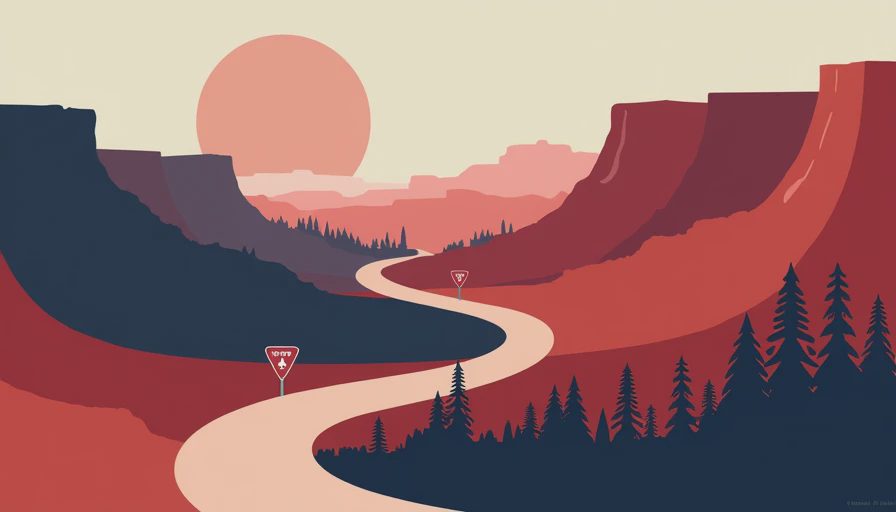
Grand Gulch is a deep drainage in southeastern Utah, within the Bears Ears region. Its appeal is not one dramatic overlook. The draw is moving through a layered landscape of canyon walls, juniper benches, alcoves, dry falls, and ancestral Puebloan archaeological sites. A short walk can shift from open mesa to shaded canyon bottom in minutes.
The important distinction is that grand gulch ut is not a single, simple trail. Different routes and trailheads offer different levels of commitment. Kane Gulch, Bullet Canyon, Government Trail, and routes connected with the larger Cedar Mesa trail network can involve steep descents, route-finding, sand, scrambling, and long stretches without reliable water. Mileage on a map does not tell the whole story. A few canyon miles can consume a full day when the route includes ladders, pour-offs, loose slopes, or repeated climbs over debris.
That remoteness is also the point. You will not find a fuel station, a quick mechanical rescue, or a convenient store around the next bend. The trail finds the weak point, whether that is a neglected tire, an optimistic water plan, or a driver who treated a forecast as a guarantee.
Permits, seasons, and access planning
Before leaving pavement, confirm current permit requirements, trailhead rules, camping limits, closures, and road conditions with the Bureau of Land Management Monticello Field Office or the current official Bears Ears visitor information. Regulations can change with management plans, fire restrictions, construction, and seasonal conditions. Do not rely on an old forum post from a trip several years ago.
Spring and fall are usually the most comfortable planning windows because summer heat can make exposed approaches and canyon hiking punishing. Winter brings shorter days, freezing nights, snow or ice on high ground, and the possibility of muddy roads. Monsoon storms create a separate problem: rain falling miles away can send water through a canyon that looked dry at breakfast. A blue sky overhead is not proof that a canyon is safe.
Access roads deserve more respect than their appearance. Dry Cedar Mesa roads can be manageable for a stock SUV with good tires, but deep sand, embedded rock, mud, and washouts can change that assessment quickly. Grand gulch ut access should be evaluated after checking recent conditions, not judged from a satellite image. Carry a paper map, download offline mapping, and leave your route and return time with someone who is not coming along.
Vehicle preparation for Cedar Mesa roads
A lifted truck is not automatically better prepared. For most approaches, a sound stock 4x4 or capable crossover with appropriate clearance can be more useful than an overloaded build with a tall suspension and too much rooftop weight. Inspect the spare tire, jack, lug wrench, battery terminals, belts, hoses, fluids, and recovery points before the trip.
Tires are the first practical upgrade. Use tires with healthy tread and sidewalls suited to sharp rock, then air down only when conditions and your experience support it. Bring a compressor capable of reseating your normal trail pressure, plus a plug kit and the tools to use it. A full-size spare is strongly preferred for a remote trip; a temporary compact spare is not a recovery plan.
Keep the load boring and balanced. Water, food, fuel, recovery equipment, and navigation tools matter more than decorative armor. A kinetic rope, rated soft shackles, traction boards, shovel, work gloves, and a reliable way to communicate are sensible additions when traveling with another vehicle. Never attach recovery gear to a thin bumper tie-down or an unknown tow ball.
Hiking, water, and archaeological responsibility
Grand gulch ut requires a conservative water plan. Do not assume a pool or spring shown on an old map will be present, clean, or reachable. Carry more drinking water than your minimum calculation, especially in warm weather, and treat any surface water with an appropriate filter or purification method. Electrolytes, sun protection, and a real first-aid kit earn their space faster than extra camp gadgets.
Navigation deserves equal attention. Canyon walls can interfere with GPS, and a track that looks obvious on a screen can disappear among slickrock shelves. Mark your vehicle, watch the terrain behind you, and compare the return route with your remaining daylight. If a descent requires more exposure than your group can handle comfortably, turn around early. A route decision made at 10 a.m. is better than a rescue problem created at dusk.
The archaeological sites are fragile and irreplaceable. Stay on established routes where practical, do not touch walls or artifacts, and never move pottery, flakes, tools, or other objects. Keep food and hands away from masonry and rock art. Dogs, children, and curious adults all need supervision around ruins and drop-offs. Photograph what you find, leave it where it is, and resist the urge to become part of the damage.

Camping and daily rhythm
Camping in grand gulch ut is less about building a perfect base camp and more about reducing decisions after dark. Use designated or permitted sites as required, keep camp compact, and store food securely from rodents and other wildlife. Bring a stove rather than depending on open fires, especially when fire restrictions are active. A simple meal, dry socks, and a good sleep system beat a heavy camp kitchen when every item has to be carried or loaded over rough roads.
Plan each day around water, shade, and the slowest person in the group. Start early when temperatures are rising, take real breaks, and save enough daylight for the climb out. A family group or mixed-experience crew should choose a conservative route rather than trying to prove something to an internet track. The best trip is the one where nobody has to rush a technical section because dinner is waiting.
A practical trip checklist
For grand gulch ut, I would prepare in this order: confirm the permit and current conditions, choose a route that matches the group, calculate water for the full itinerary plus an emergency margin, inspect the vehicle and spare, download maps, and share a written itinerary. Add a weather check shortly before departure and again at the trailhead if communication allows.
On the road, stop and inspect after the first rough section. Look for a loose skid plate, a hot hub, damaged sidewalls, leaking fluids, or cargo that has shifted. Those small warnings are cheap to address at camp and expensive to ignore. Keep fuel in reserve for detours and idling, and avoid making a remote route dependent on one perfect assumption.
Grand gulch ut rewards people who move deliberately. You do not need a $20,000 build or a catalog full of expedition gear. You need dependable tires, enough water, accurate information, patience, and the humility to turn around. Looks ready and is ready are different things. In canyon country, that difference is what gets you home.
No comments yet — be the first to share a thought.