An Owala water bottle looks more at home in a gym bag than beside a muddy recovery strap, but that first impression is misleading. I have spent enough time bouncing across Arizona forest roads to know that simple gear earns its space when it stays usable, does not leak, and can be operated without turning a water stop into a three-handed job. The Owala water bottle design gets several of those details right, though it is not perfect for every truck, cup holder, or remote trip.
What makes it useful on the trail
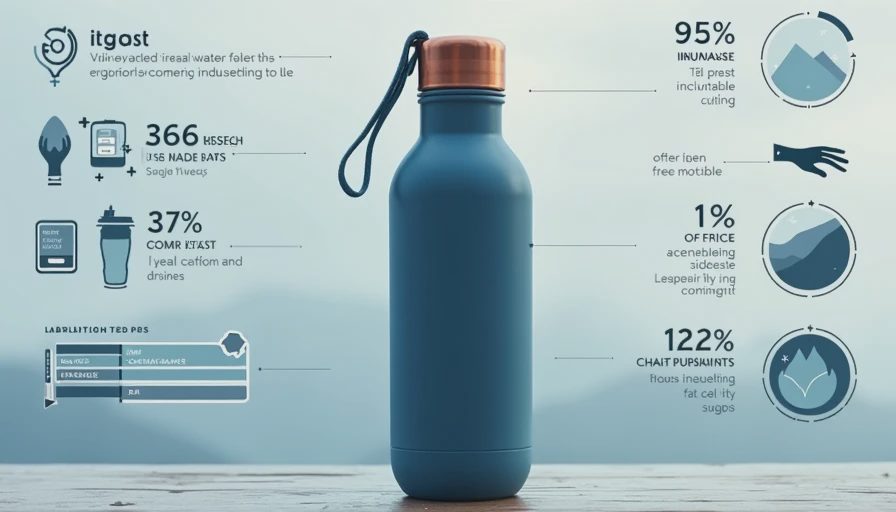
The feature that matters most is the FreeSip lid. You can drink through the built-in straw while holding the bottle upright, or tip it back and use the wider opening. That sounds like a small convenience until you are driving a washboard road and trying not to splash water across the center console. The Owala water bottle also has a locking button on many popular models, which helps prevent the lid from opening inside a pack or door pocket.
The wide mouth makes filling easier at a campground spigot, kitchen faucet, or filtered water station. It also gives you a better view when cleaning. I care about that more than flashy insulation claims. A bottle that keeps water cold but develops a sour smell around the gasket is not a successful piece of trail equipment. The Owala water bottle is generally straightforward to rinse, but the lid has more parts than a basic wide-mouth bottle, so cleaning discipline matters.
Capacity is where the first real tradeoff appears. A 24-ounce model is easy to carry and fits more vehicle holders. A 32-ounce bottle gives a better balance for day hikes and long drives. The 40-ounce version reduces refill stops, but it is tall, heavy when full, and awkward in smaller cup holders. Do not select the biggest bottle simply because the number looks impressive online. A full 40-ounce bottle weighs about five pounds before adding the bottle itself, and that mass becomes annoying when it is rolling around behind a seat.
Choosing the right size and lid
For a stock SUV or pickup, I would start with the 24- or 32-ounce Owala water bottle. Measure the cup holder before ordering, especially if your vehicle has shallow molded holders or a center console packed with radios, charging cables, and recovery-tool clutter. Some bottle models have a wide base that will not sit securely in older Toyota, Jeep, Ford, or Subaru interiors. A bottle that fits at home can become a loose projectile on a rocky descent.
The 24-ounce size works well for commuting, short trail loops, and a passenger who refills often. The 32-ounce size is my more practical recommendation for a full day between fuel stops. The 40-ounce size makes sense when hiking from a fixed camp or traveling where refill points are scarce, but it needs a deliberate storage spot. An open seat pocket, soft cooler, or door bin is not enough if the road includes side hills and sudden braking.
Pay attention to the lid style, too. The straw arrangement is convenient for frequent sipping, but it adds a tube and seal that can collect dust or residue. If you carry electrolyte mix, powdered drink flavoring, or sweetened beverages, rinse the lid promptly instead of leaving it in the truck overnight. Heat turns leftover sugar into a sticky maintenance problem. Plain water is easier, kinder to the seals, and less attractive to ants around camp.
Durability, insulation, and trail abuse
The stainless-steel body on an Owala water bottle handles ordinary vehicle life well, but it is not a piece of recovery equipment. Do not wedge it under a jack handle, throw it into a tool drawer with loose shackles, or expect the finish to remain perfect after a week of contact with metal gear. Dents around the base can affect how securely it sits, while a damaged lid can compromise the seal.
Insulation is useful in hot country. Cold water remains more appealing after a slow climb in the sun, and that encourages regular drinking instead of waiting until camp. Still, insulation does not replace carrying enough water. I keep additional water in dedicated containers for the vehicle and treat a personal bottle as drinking gear, not an emergency reserve. The distinction matters when a route takes longer than expected or a closed gate forces a reroute.
The Owala water bottle is also quieter than many hard plastic bottles when placed in a soft-sided holder. That reduces the constant knocking noise that becomes surprisingly irritating after several hours. It can still rattle if left loose, so a small sleeve or elastic strap is cheap insurance. Looks ready and is ready are different things, and storage is part of the setup.

Cleaning and maintenance away from home
Before a trip, remove the straw, gasket, and any removable lid components that the model allows. Wash them with warm water and dish soap, then let everything dry separately. A closed, damp lid packed the night before is a reliable recipe for stale odor. I carry a narrow bottle brush and a small towel in the camp kitchen box; both tools also help with fuel bottles, mugs, and hydration parts.
At camp, avoid sharing a mouthpiece between people unless you can wash it. That is basic hygiene, not trail drama. If the bottle has carried anything besides water, clean it before storage. Do not use abrasive pads on the painted finish, and do not assume a quick rinse removed residue from the straw. The Owala water bottle has a convenient lid, but convenience does not eliminate maintenance.
Inspect the silicone seals after dusty trips. Look for grit, stretching, or a lid that no longer closes with the same firm action. Replacement parts are preferable to abandoning an otherwise usable bottle, provided the body is sound and the replacement is compatible with the exact model. Keep small spare parts in a labeled bag rather than loose in a drawer where they disappear.
Where it fits in a real vehicle loadout
I like the Owala water bottle for the driver or passenger seat, office-to-trail transitions, and day hikes from a base camp. I do not use it as the only water solution on a remote route. Every vehicle should carry bulk water separately, with enough margin for heat, delays, passengers, and a recovery that takes longer than planned. A personal bottle is a tool for steady hydration; it is not a route plan.
Mount it where the driver can reach it without looking down for more than a moment. A door pocket is convenient but vulnerable to dust and bouncing. A center-console holder is better if it holds the bottle tightly. For a roof-top tent or camp table, the 32-ounce size is easier to manage than the taller 40-ounce version. The best choice is the one that stays upright, opens cleanly, and gets refilled before it is empty.
My practical recommendation
Buy an Owala water bottle if you want a comfortable daily bottle that can transition into trail use, especially if you prefer sipping while driving and appreciate cold water. Choose 24 ounces for compact storage, 32 ounces for the best all-around balance, and 40 ounces only when you have a secure place to carry it. Add a sleeve, bottle brush, and a backup personal water container to the kit.
Skip it if you want a nearly indestructible bottle with a simple cap and no small parts. A basic stainless wide-mouth bottle from Hydro Flask, Klean Kanteen, or another established maker can be easier to clean and less fussy around dust. The trail finds the weak point, and sometimes that weak point is not the bottle. It is buying gear that does not match the way you actually travel.
No comments yet — be the first to share a thought.