Colorado mule deer hunting is not a weekend improv exercise. The country is too steep, the weather changes too quickly, and access can turn a simple hike into a long day of problem solving. I have learned that the best hunt usually starts weeks before anyone parks a truck at the trailhead. Licenses, season dates, public-land boundaries, glassing plans, vehicle condition, and a realistic exit strategy matter more than a fancy rifle sling or another hundred dollars of bolt-on gear.
The goal is not to make the trip look dramatic. The goal is to make good decisions when the temperature drops, the wind shifts, and the truck is several miles from the nearest paved road.
Colorado mule deer hunting starts with the legal details
Begin with Colorado Parks and Wildlife, not a social media post from three seasons ago. License rules, hunt codes, season dates, tag availability, unit boundaries, weapon restrictions, and harvest requirements can change. Read the current regulations and save the relevant pages on your phone before leaving service. If you are hunting with a partner, both people should understand the unit and the rules. Confusion in the field is not a planning style.
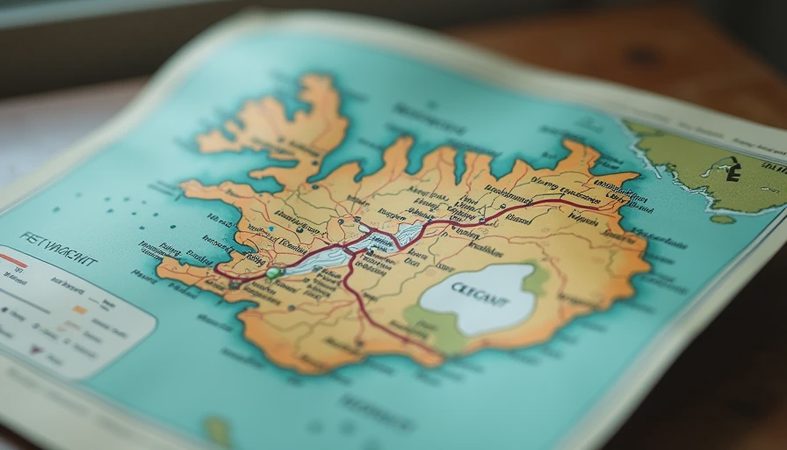
A hunt unit, often called a GMU, is more than a number on a map. Study access points, private-land borders, road closures, wilderness boundaries, and elevation changes. Public access can be legal yet practically useless if a road is gated, a trail is washed out, or the final approach crosses land you cannot enter. Use current CPW information alongside a reliable mapping app, then confirm the ground truth when you arrive.
Give yourself time for the license process, required hunter education, weapon practice, and meat-care plan. A successful harvest creates work immediately. Game bags, a sharp knife, cooling space, water, and a way to move heavy quarters are not optional details.
Pick terrain you can actually hunt
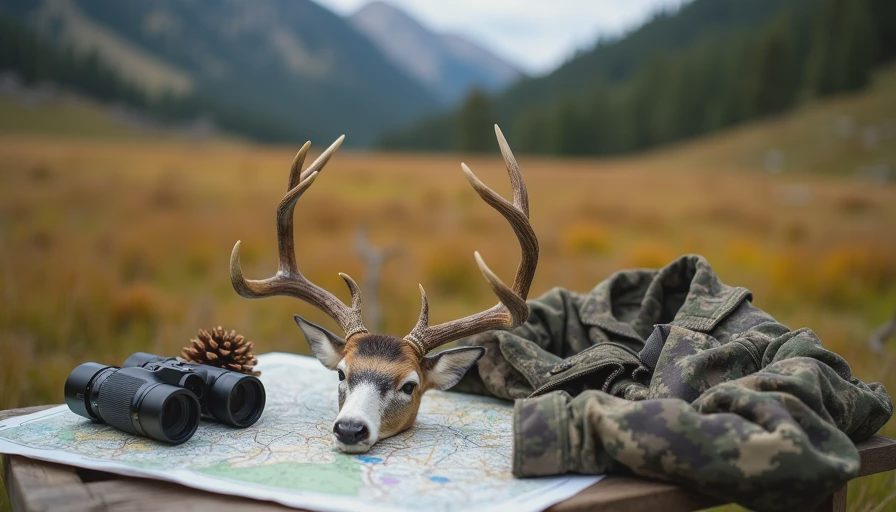
Mule deer use terrain for cover, feeding, bedding, and escape. That sounds simple until you are looking across several thousand acres of broken timber and shale. Colorado mule deer hunting often rewards slow glassing from a stable position more than constant walking. Find a high viewpoint, let your eyes work, and study transitions: dark timber beside open slides, sage below aspen, creek bottoms, and benches below steep north-facing slopes.
Morning and evening are productive because deer commonly move between bedding and feeding areas. Midday is not automatically dead time, especially during a weather shift or the rut, but it is a good opportunity to relocate carefully, eat, check your feet, and protect your energy. The hunter who burns himself out on day one is not gaining toughness. He is spending tomorrow’s judgment today.
Wind deserves more attention than distance. A perfect approach with bad wind is still a bad approach. Carry a small wind checker, watch grass and loose powder, and avoid assuming the breeze will behave because it did ten minutes earlier. Mountain thermals can reverse as slopes warm and cool.
Practice shooting from realistic positions before the season. A bench and sandbag do not represent a steep kneeling shot, a pack under your elbows, or a pulse elevated by a climb. Know your maximum ethical range, and make it smaller if the angle, wind, rest, or visibility is poor.
Build a vehicle plan around the trailhead, not the campsite
Your truck or SUV does not need a massive lift kit to support Colorado mule deer hunting. It does need tires with useful tread, a full-size spare when possible, a working jack, recovery points, basic tools, and enough fuel to handle an unexpected reroute. Check tire pressure cold, inspect sidewalls, test the compressor, and make sure the spare can actually be removed with the tools you carry.
A stock 4Runner, Tacoma, Bronco, Wrangler, or half-ton pickup can reach many trailheads if the driver respects road conditions. A heavily modified rig can still fail if it is overloaded. Keep the load low and secured. Coolers, fuel cans, traction boards, rifles, camping equipment, and recovery gear add up quickly. The trail finds the weak point, and overloaded suspension or overheated brakes are common weak points.
Before departure, inspect coolant level, belts, battery terminals, brake condition, and wheel torque. Carry a tire plug kit, inflator, jump pack, headlamp, duct tape, and the correct tools for your vehicle. I also bring paper maps because phones lose power, screens crack, and coverage is not a planning assumption.
Weather, altitude, and camp discipline
High-country weather does not care about your itinerary. A clear forecast at the house can become wind, sleet, or heavy snow near camp. Pack a real shell, warm layers, gloves, spare socks, and a sleeping system rated for the conditions you expect rather than the conditions you hope for. Keep critical clothing in dry bags. A damp jacket is not an inconvenience when the truck is two miles away; it is a liability.
Altitude affects pace, sleep, hydration, and decision-making. Arrive early enough to settle in if your schedule allows. Drink regularly, eat real food, and do not treat fatigue as proof that the plan is working. Headaches, unusual shortness of breath, confusion, or worsening nausea deserve attention and a change of plan.
Camp food should be simple and dependable. A stove, fuel, water treatment method, and a meal that takes fifteen minutes are better than an elaborate kitchen you never use. Store food and waste securely, follow local restrictions, and leave the site cleaner than you found it.
A practical plan for the first morning
The first morning of Colorado mule deer hunting should not begin with frantic packing. Lay out clothing, optics, ammunition, water, snacks, map, license, knife, and communication gear the night before. Confirm the rifle is unloaded during camp organization, then follow safe handling practices from the moment it is retrieved. Tell someone your route and expected return time, especially if you are hunting alone.
Start with a conservative objective. Reach one glassing point before daylight, settle in, and learn how the basin behaves. If you see deer, build a patient approach. If you see nothing, do not immediately sprint to the next drainage. Glass shadows, recheck likely bedding cover, and consider whether the wind has made the position useless.
A satellite messenger can improve communication, but it does not replace judgment. Send a check-in when planned, carry a first-aid kit, and know what you will do for a twisted ankle, vehicle issue, or sudden storm. The best emergency plan is the one you can execute while cold and tired.
When you fill a tag, slow down again. Photograph and mark the location, handle the animal respectfully, begin cooling the meat, and plan the loads before cutting. A pack-out may take several trips. Water, food, navigation, and daylight become more important after the shot, not less.
Colorado mule deer hunting rewards preparation because preparation leaves room for patience. You do not need the loudest build, the most expensive optics, or a catalog full of tactical accessories. You need a legal plan, a vehicle that matches the road, gear that works when wet, and enough humility to turn around when conditions change. Looks ready and is ready are different things. Out there, the trail finds the weak point.
No comments yet — be the first to share a thought.